Kelly’s Folio
American Wood Types: 1828–1900, Volume One (1964)
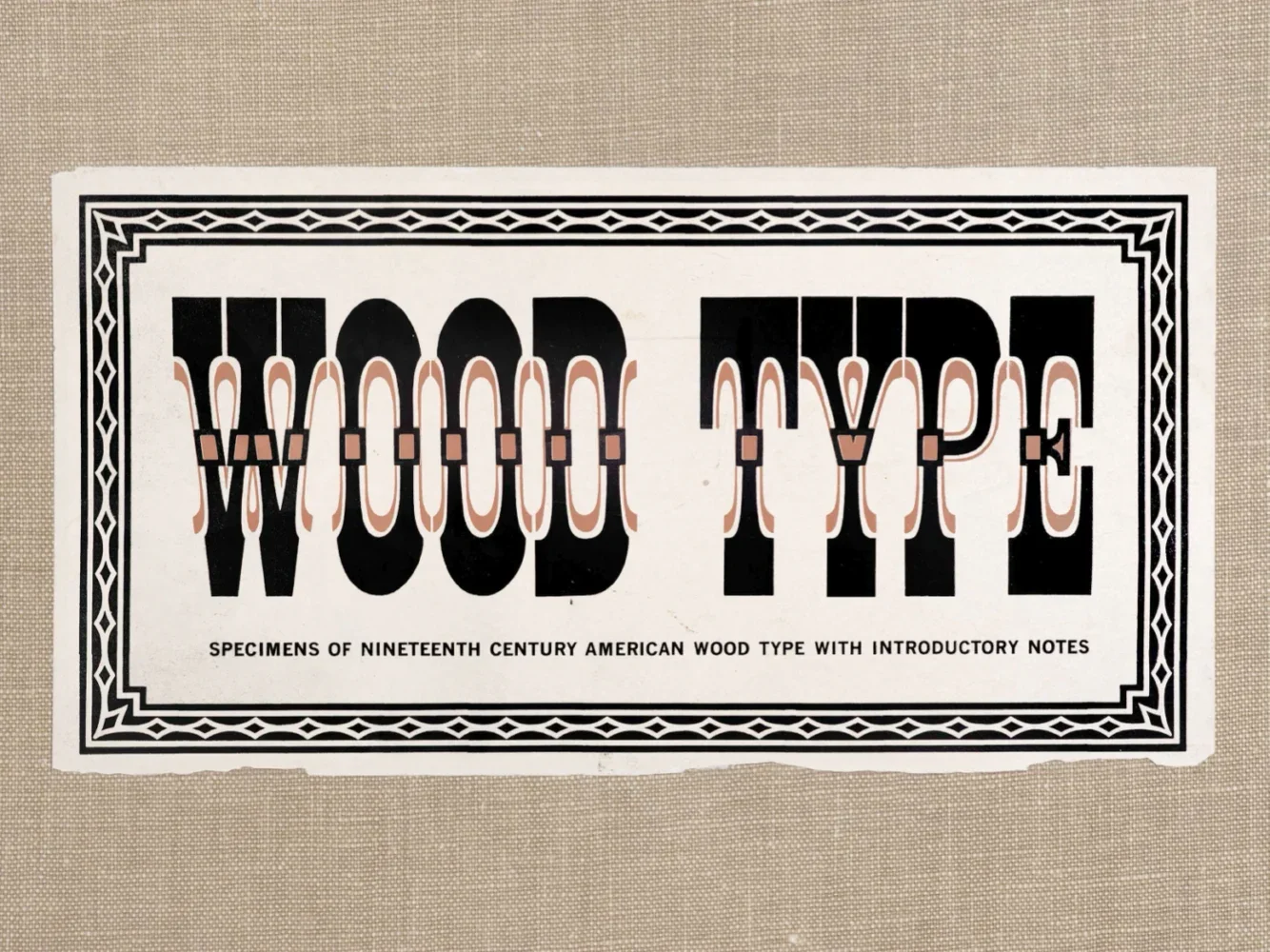
In 1964, Kelly published a folio of 19th-century type specimens that he designed and printed from his collection. It was a volume of unbound 17 x 22” prints contained in a cloth-wrapped clamshell box, released as an edition of 45 copies. Most of the copies were sold through Chiswick Book Shop in New York City, originally priced at $75. It was titled American Wood Types 1828–1900, Volume One, though Kelly never produced a second volume.
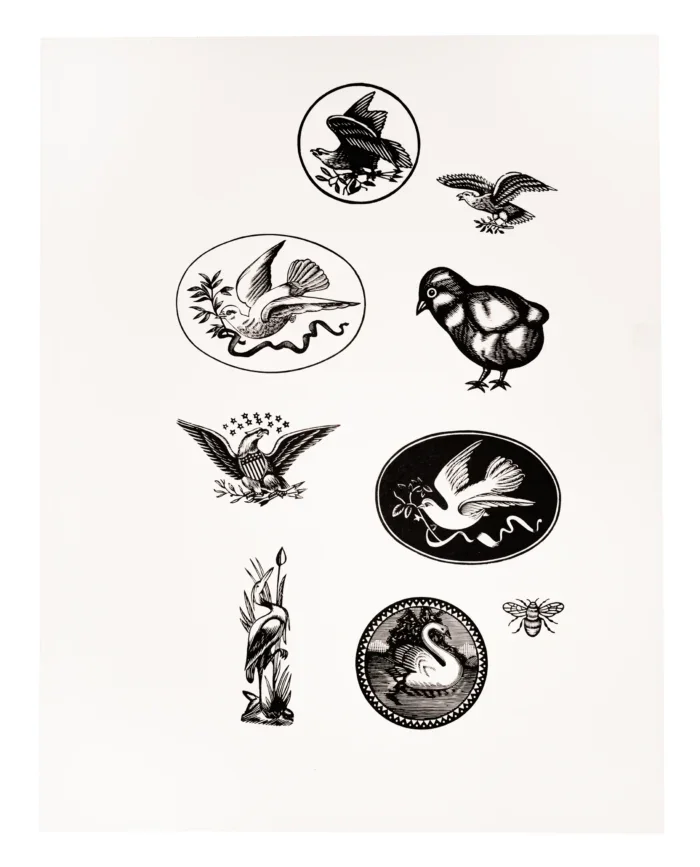
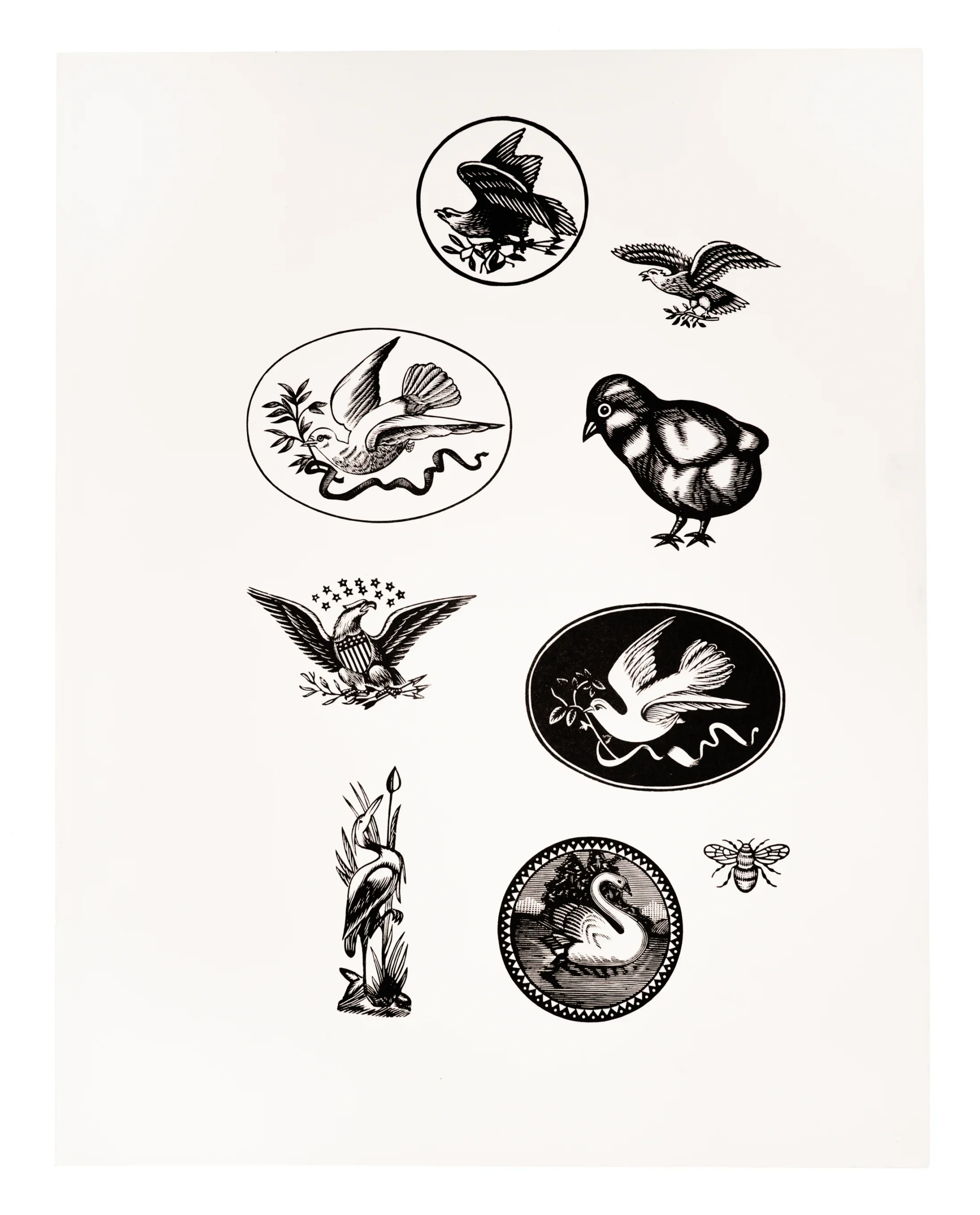
The folio includes 97 specimen prints, featuring 130 complete alphabets. 95 plates are numbered, and 2 additional unnumbered leaves display some woodcut designs and images used during the same period.
The loose prints are accompanied by a 12-page document bound with a black plastic comb. This document includes introductory notes on the collection and some discussion of wood type history, as well as an index of the folio pages. Much of the content was originally assembled from Kelly’s research for Design Quarterly Issue No. 56, commissioned and published by the Walker Art Center in 1963. Georgia Beaverson, a staff editor at Design Quarterly, provided editing support to Kelly.
More information on Design Quarterly Issue No. 56 is available on our “What is Wood Type?” page.
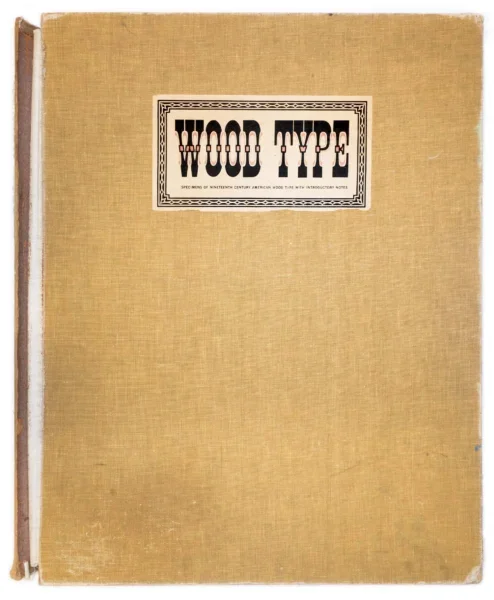
The buckram cloth-wrapped box with the title plate, which holds Rob Roy Kelly’s original folio of type specimens. It was released in 1964.
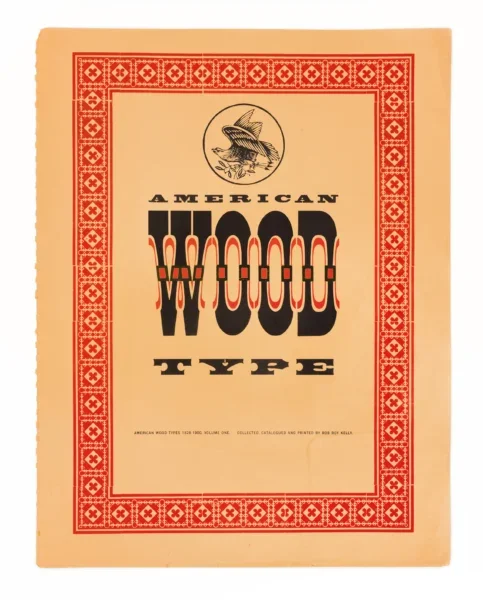
The paper cover of the introductory document of the folio. It was originally bound, but the plastic binding has since been lost and the punched edge of the paper has deteriorated.
Kelly’s original folio did not include all of the type that is currently included in the collection—namely the German script faces and other decorative material. Additionally, it also contains a number of blocks and faces that are no longer present in the collection as it now stands.
The copy of the folio that is present with the collection is number 32. Unfortunately page 28 and 72 have been lost, and the introductory document is no longer bound with the comb. The specimen gallery below features recreations of the missing pages.
Much more information on the folio is available here, along with a numbered list of all known copies, available here. Thanks to David Shields for his work to compile this extensive wealth of knowledge.
Editions of "American Wood Type: 1828 -1900"
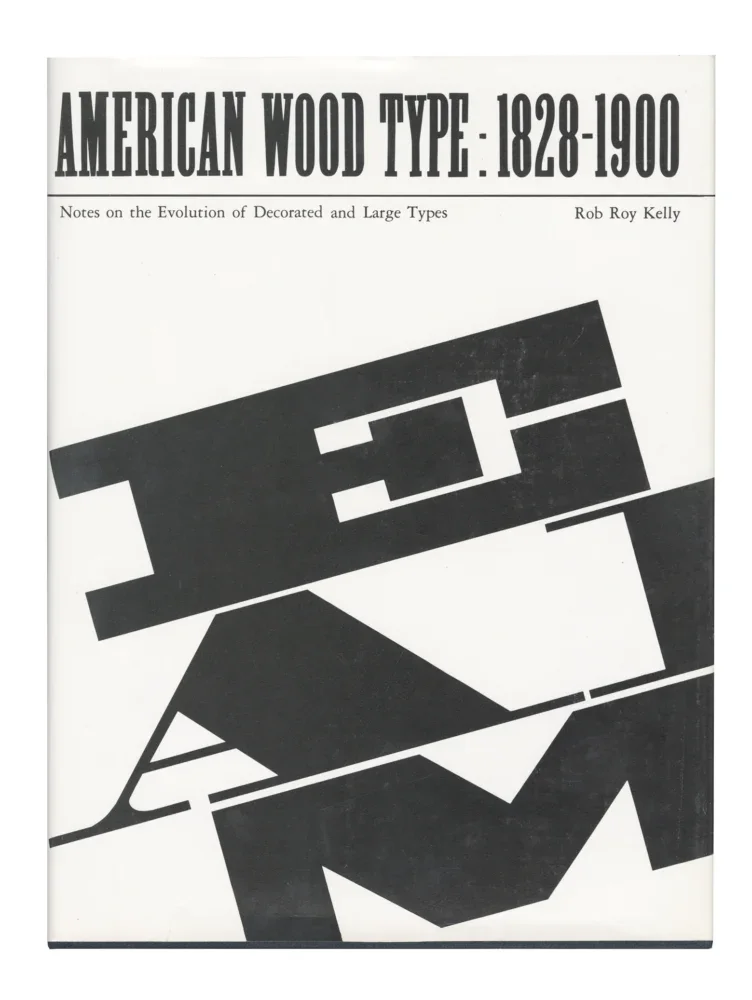
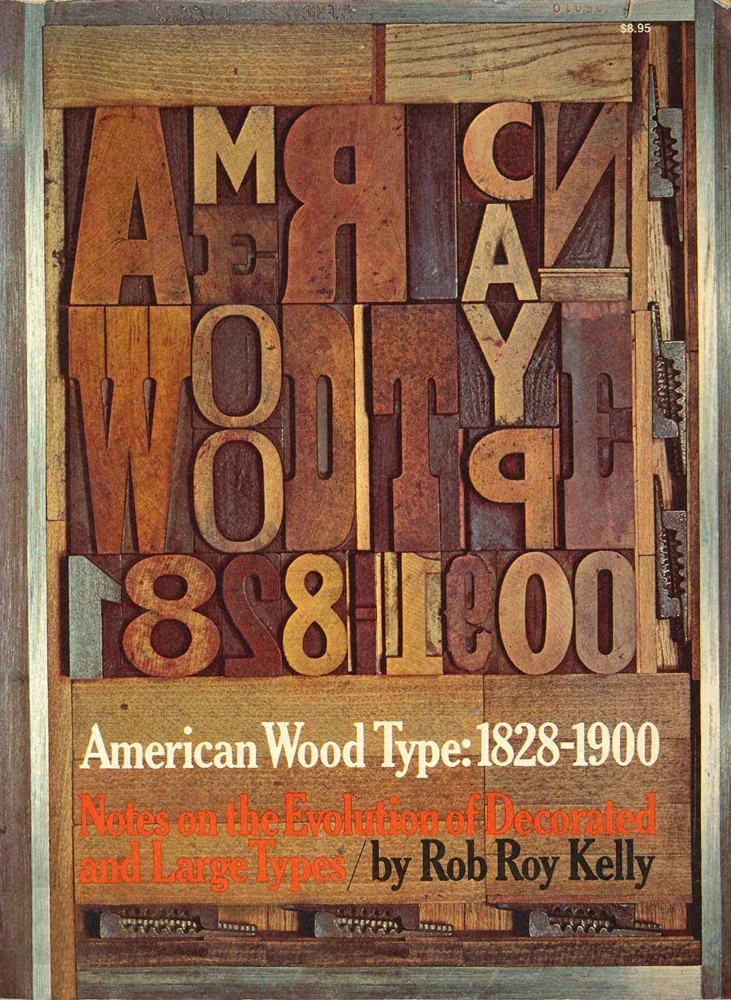
The first edition cover of “American Wood Type: 1828-1900,” published in 1969.
The second edition cover of “American Wood Type: 1828-1900,” published in 1977.
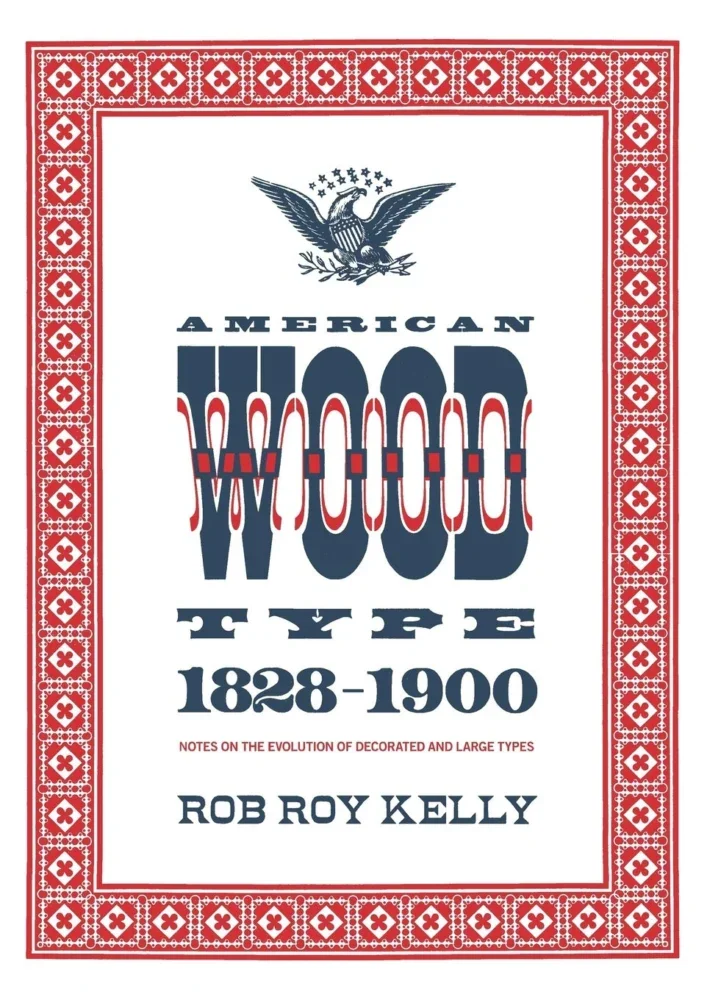
The third edition cover of “American Wood Type: 1828-1900,” published in 2010, reissued with a forward by David Shields.
Kelly’s work on Design Quarterly 56 and his production of the folio lead him to publish a book titled American Wood Type: 1828-1900, in 1969. It was the first major publication on the subject of wood type. It was reprinted as a paperback edition in 1977. In 2010 a third edition was published, including a foreword by Shields.
In 2022, we set out on a collaborative endeavor to produce a new specimen folio, designed and printed by our students, faculty, and staff. This project was completed in the summer of 2026, and will be exhibited and released to the public in the near future.
-
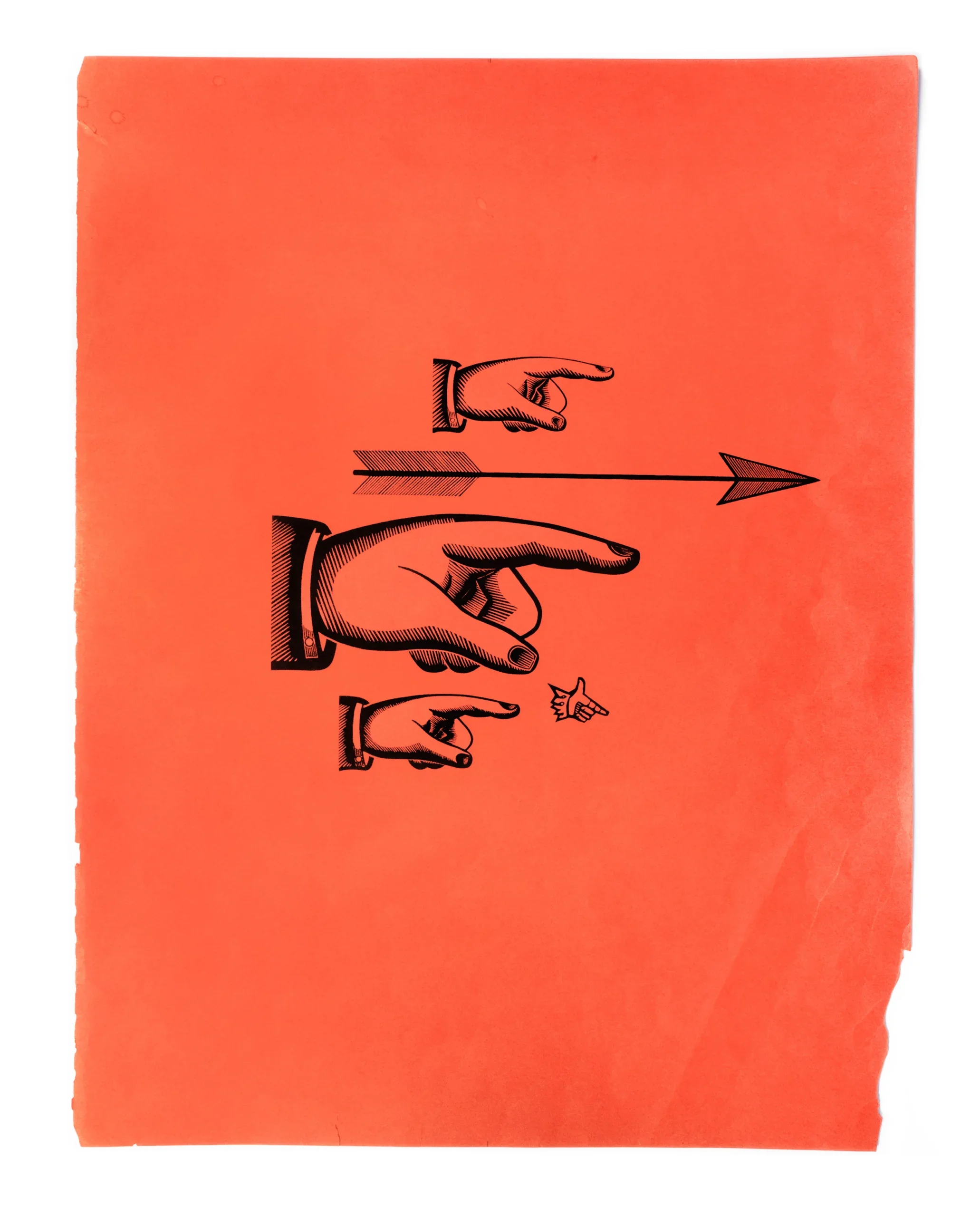
The fly sheet was originally bound with the introductory document. It features some indexes and a large arrow cut which are no longer present in the collection. -
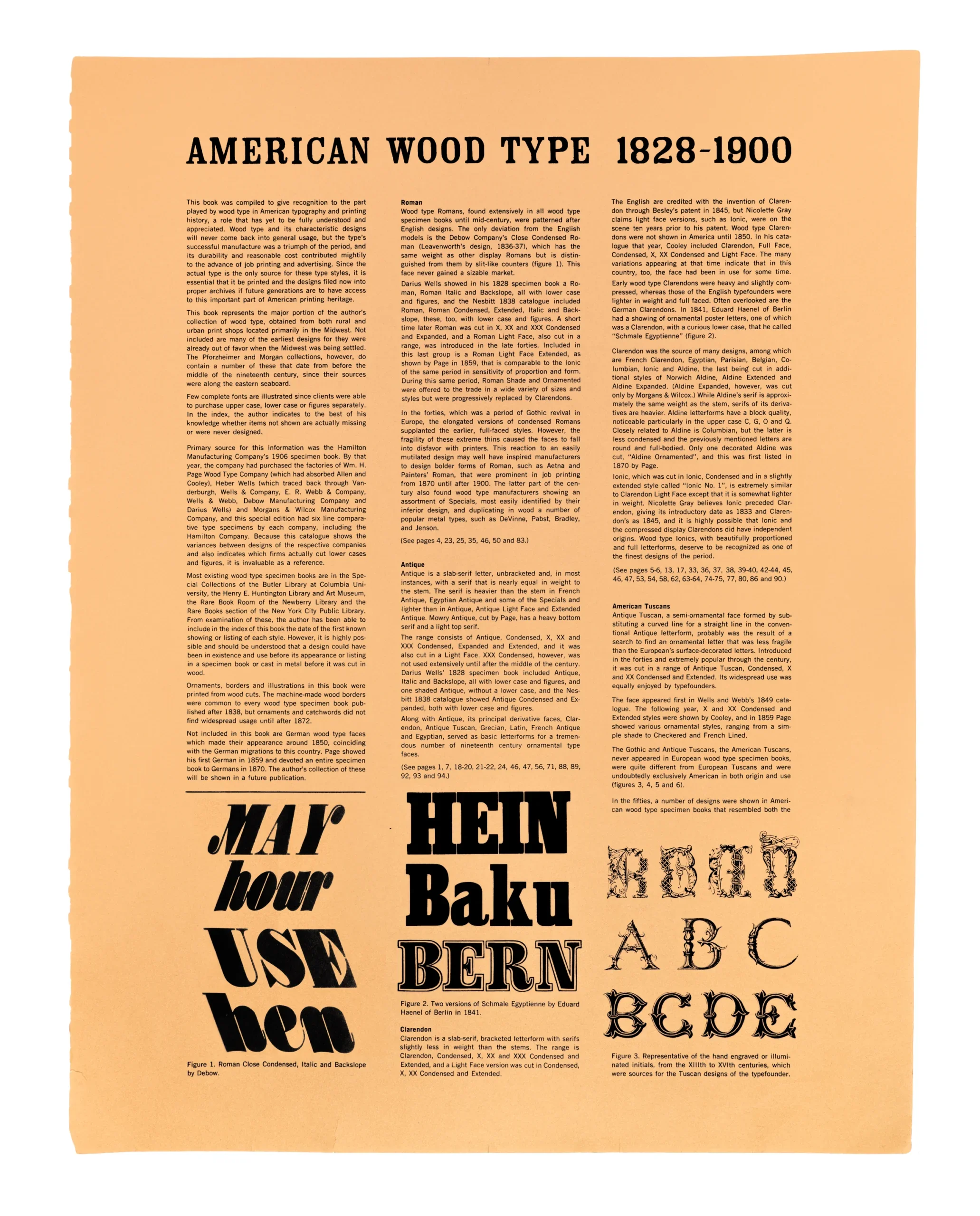
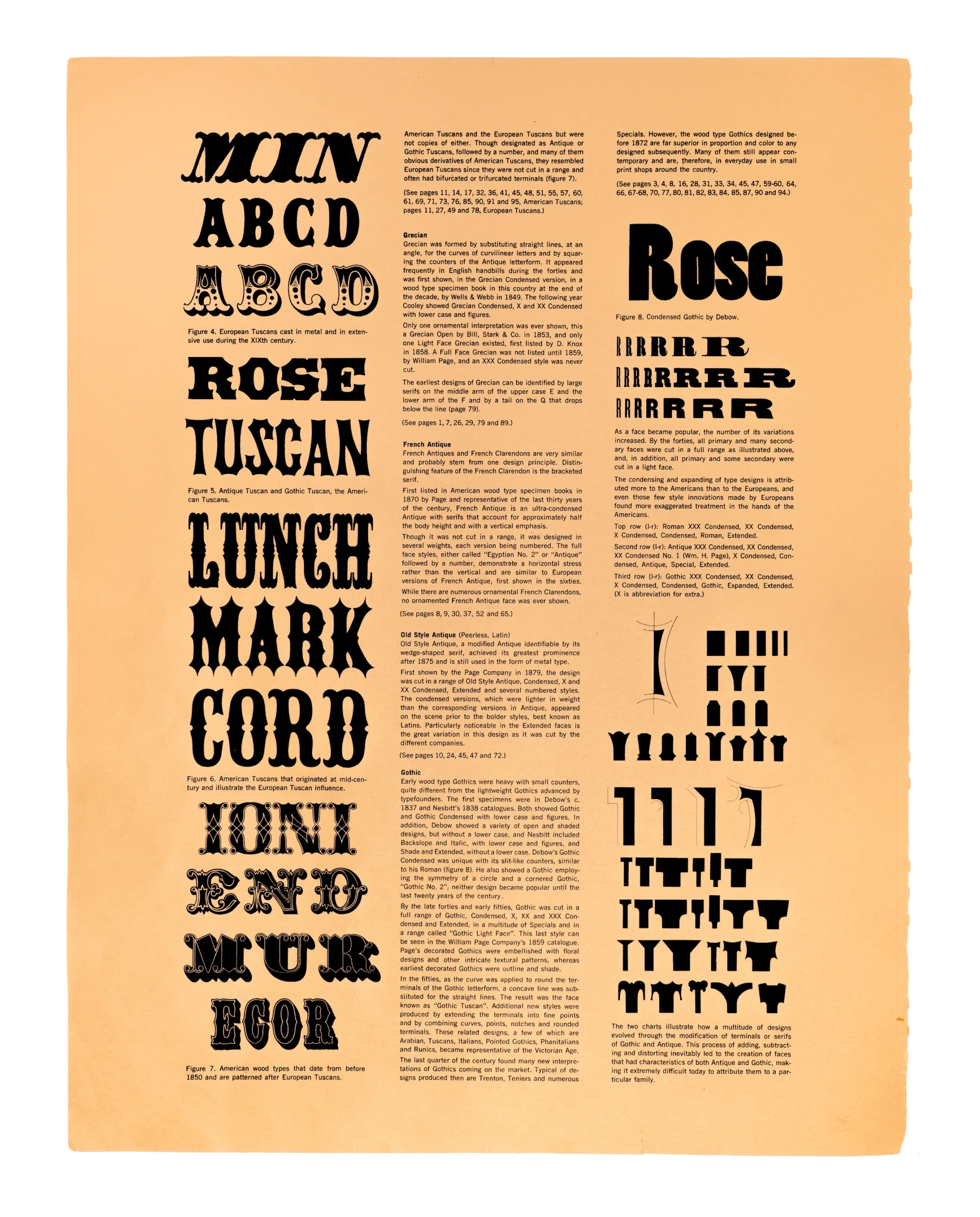
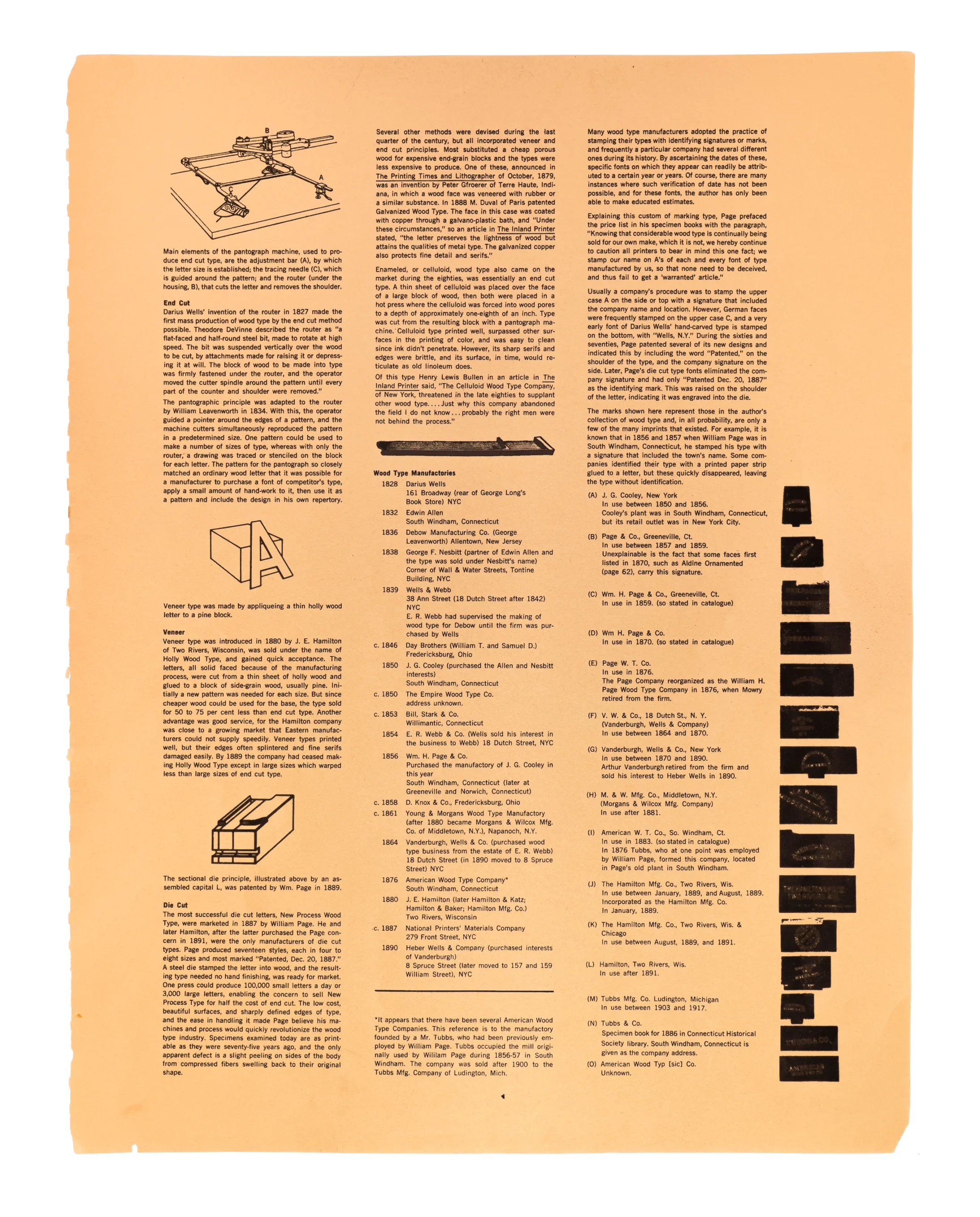
The introductory document of the folio featured a short glimpse of information that later would be expanded on in Kelly’s book “American Wood Type, 1828-1900,” published in 1969. -
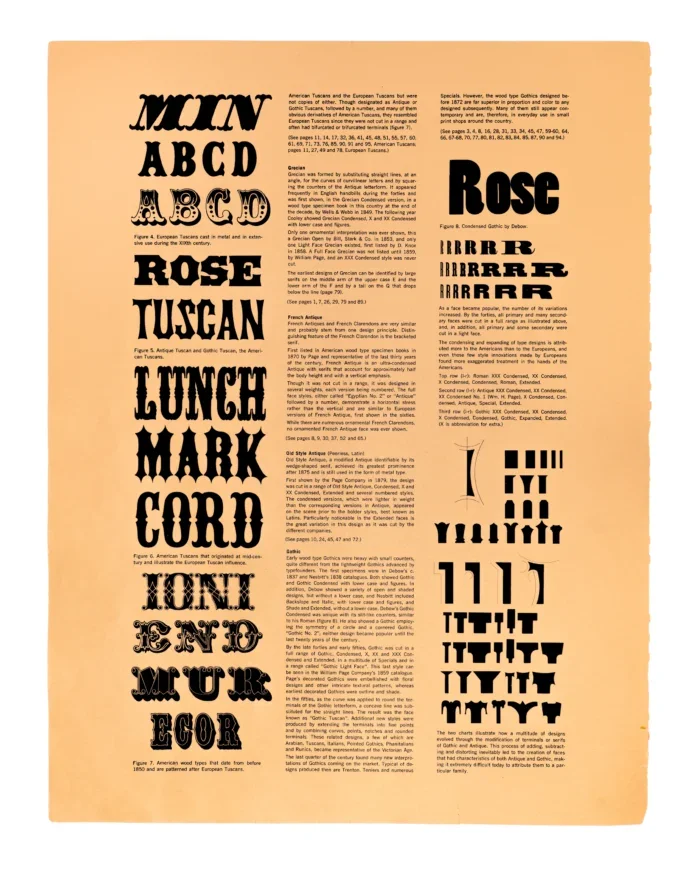
The introductory document of the folio featured a short glimpse of information that later would be expanded on in Kelly’s book “American Wood Type, 1828-1900,” published in 1969. -
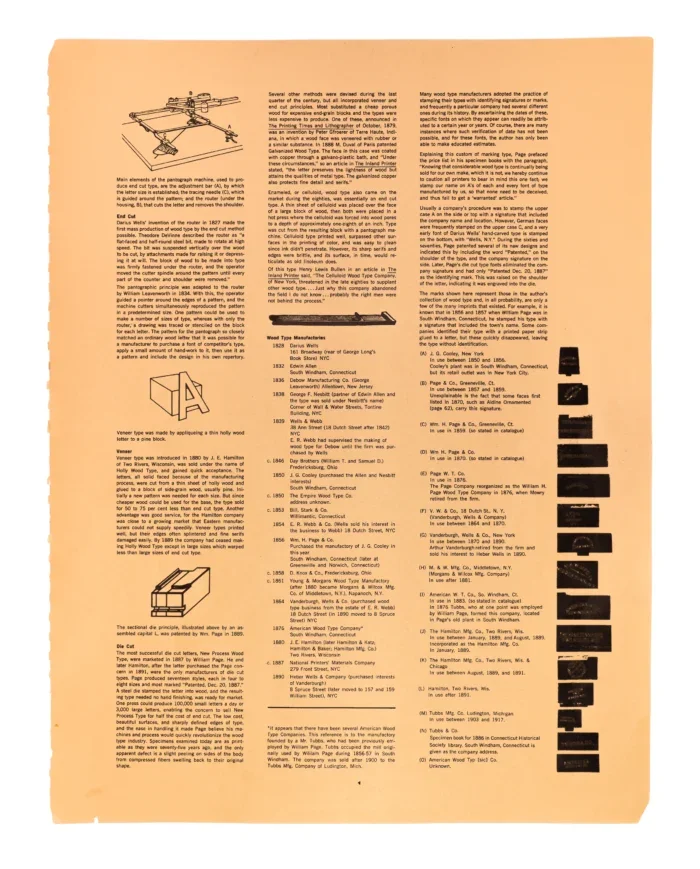
The introductory document of the folio featured a short glimpse of information that later would be expanded on in Kelly’s book “American Wood Type, 1828-1900,” published in 1969. -
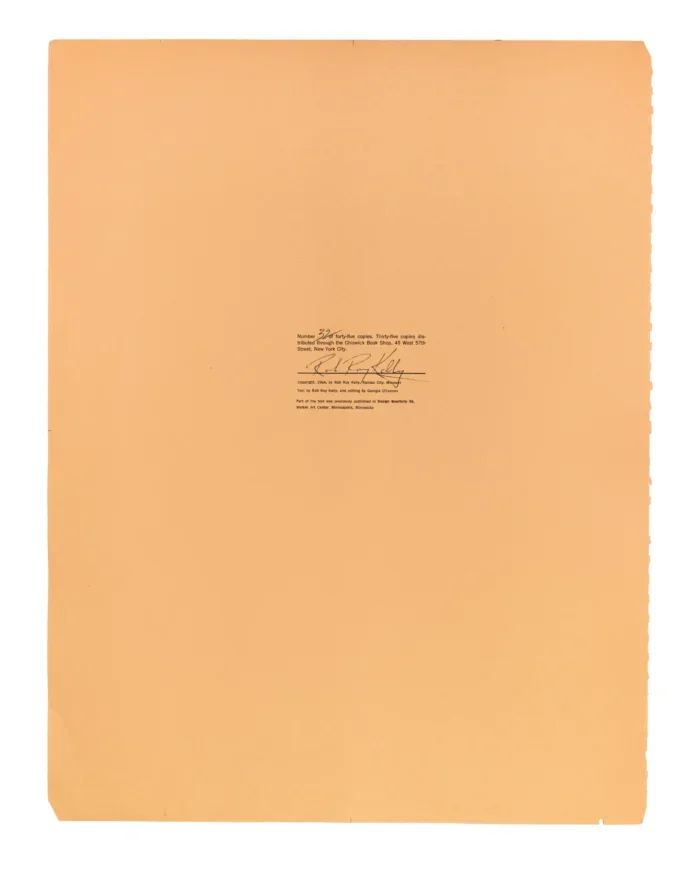
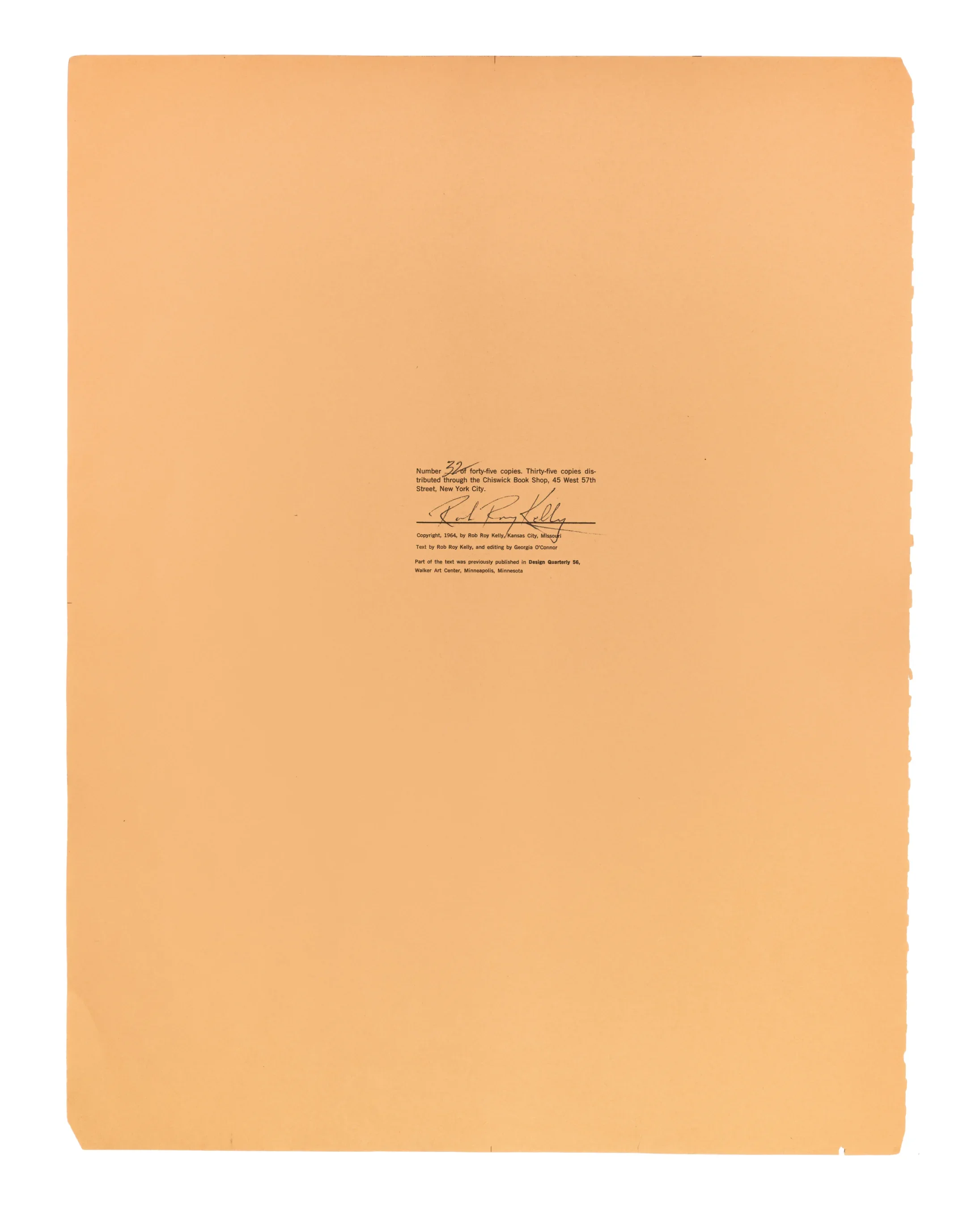
Kelly’s folio was released as an edition of 45 copies. This page states this copy to be number 32, and features Kelly’s signature. -
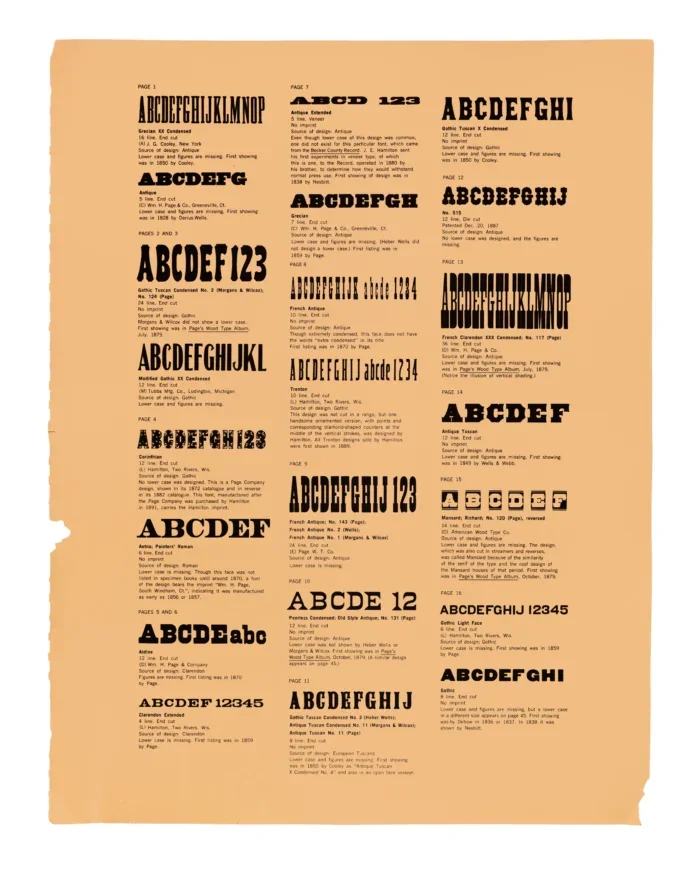
This index outlines the typefaces which are featured on each specimen page of the folio. -
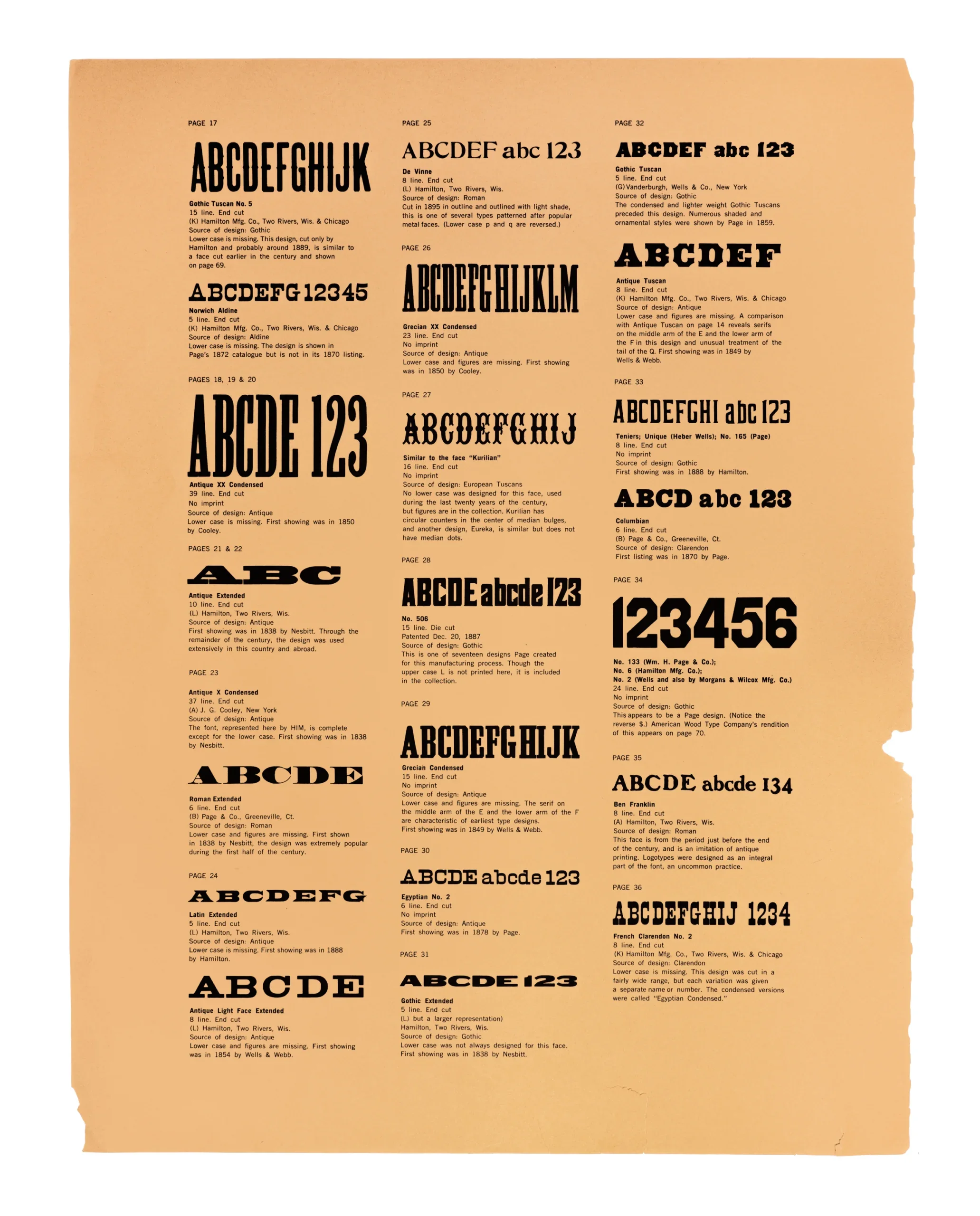
This index outlines the typefaces which are featured on each specimen page of the folio. -
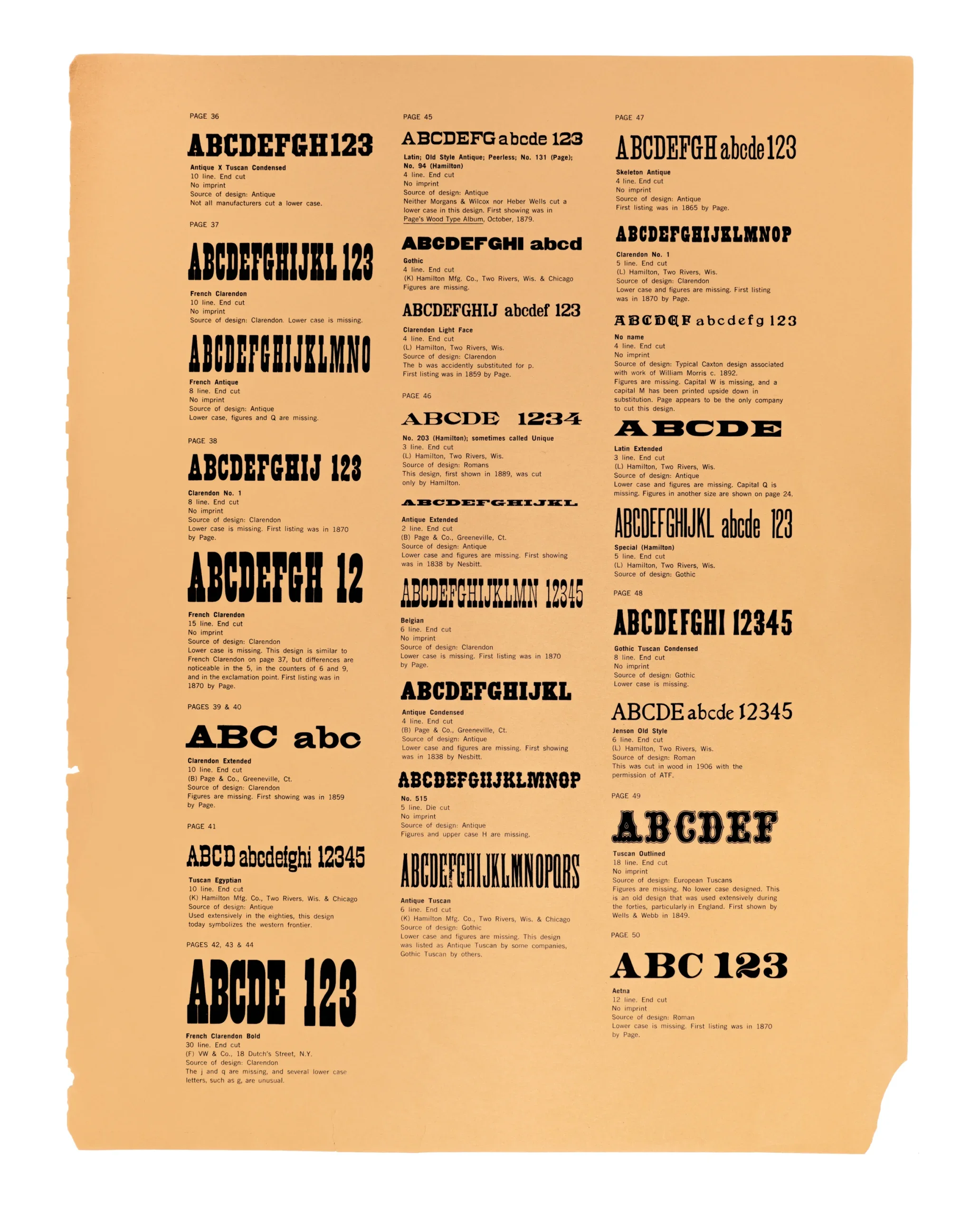
This index outlines the typefaces which are featured on each specimen page of the folio. -
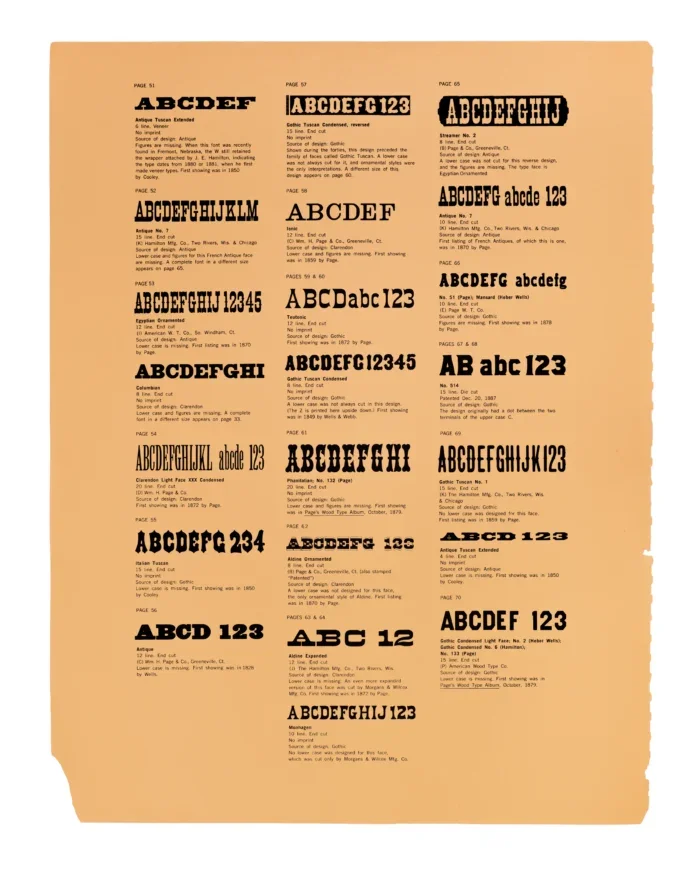
This index outlines the typefaces which are featured on each specimen page of the folio. -
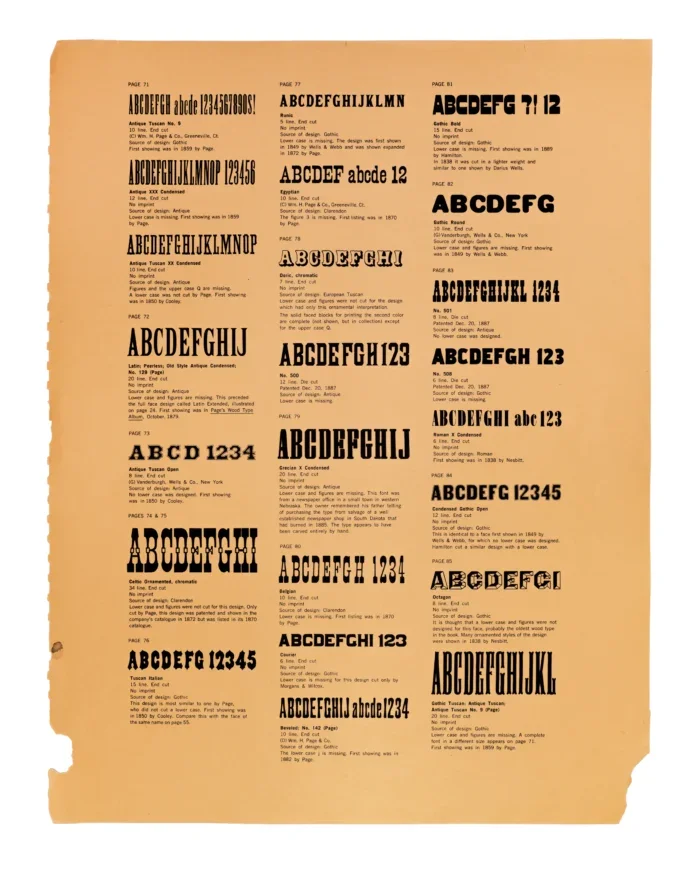
This index outlines the typefaces which are featured on each specimen page of the folio. -
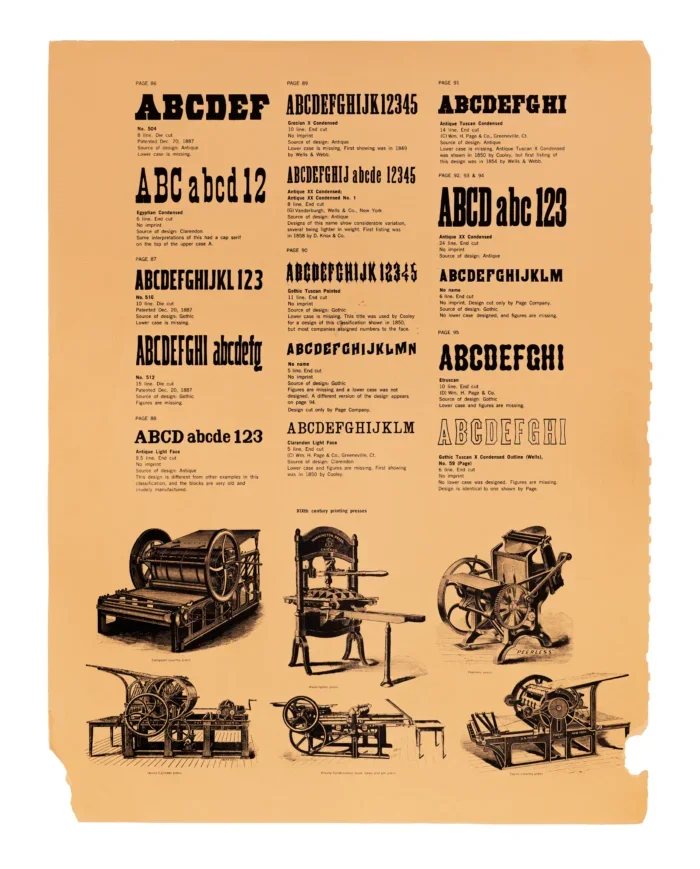
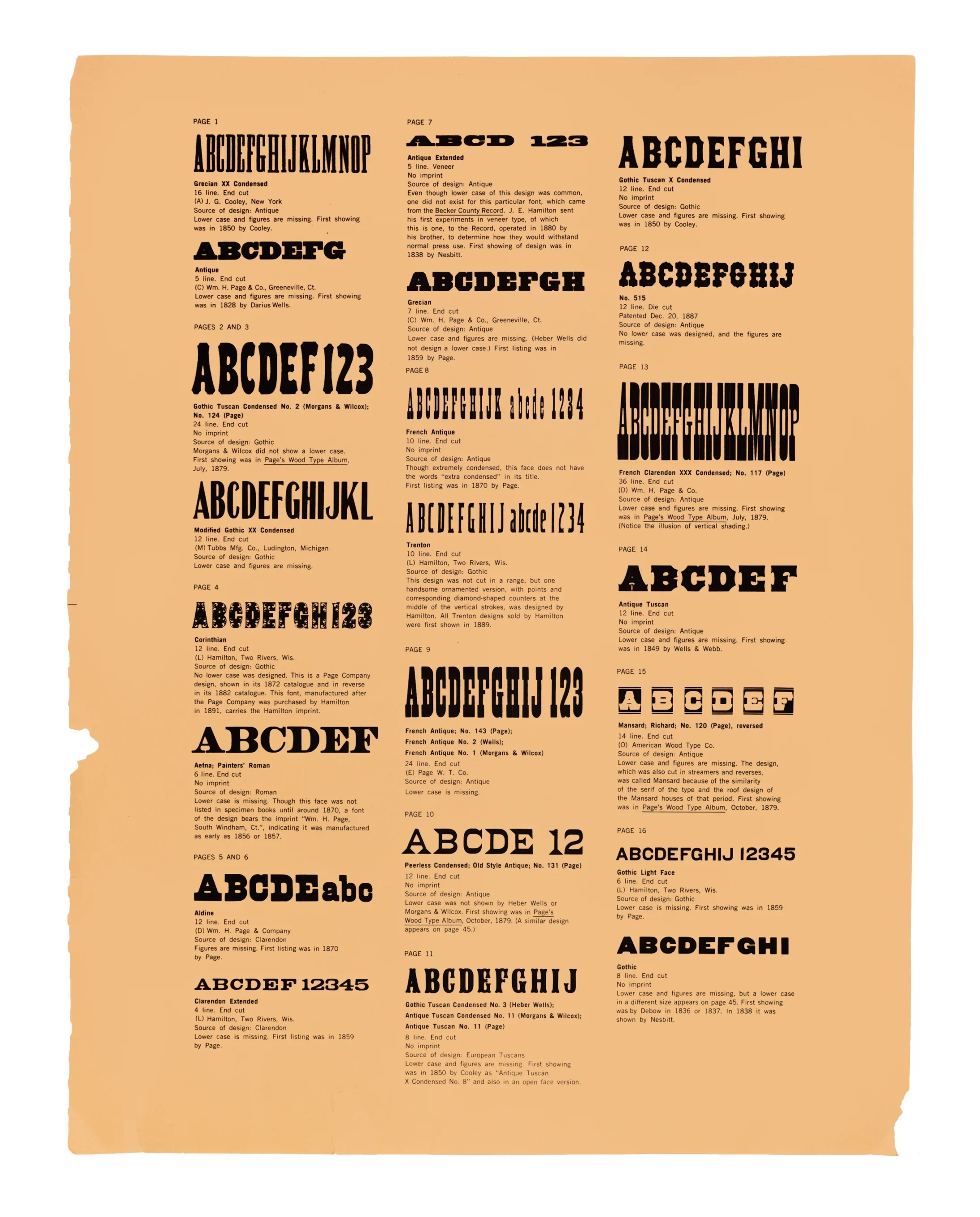
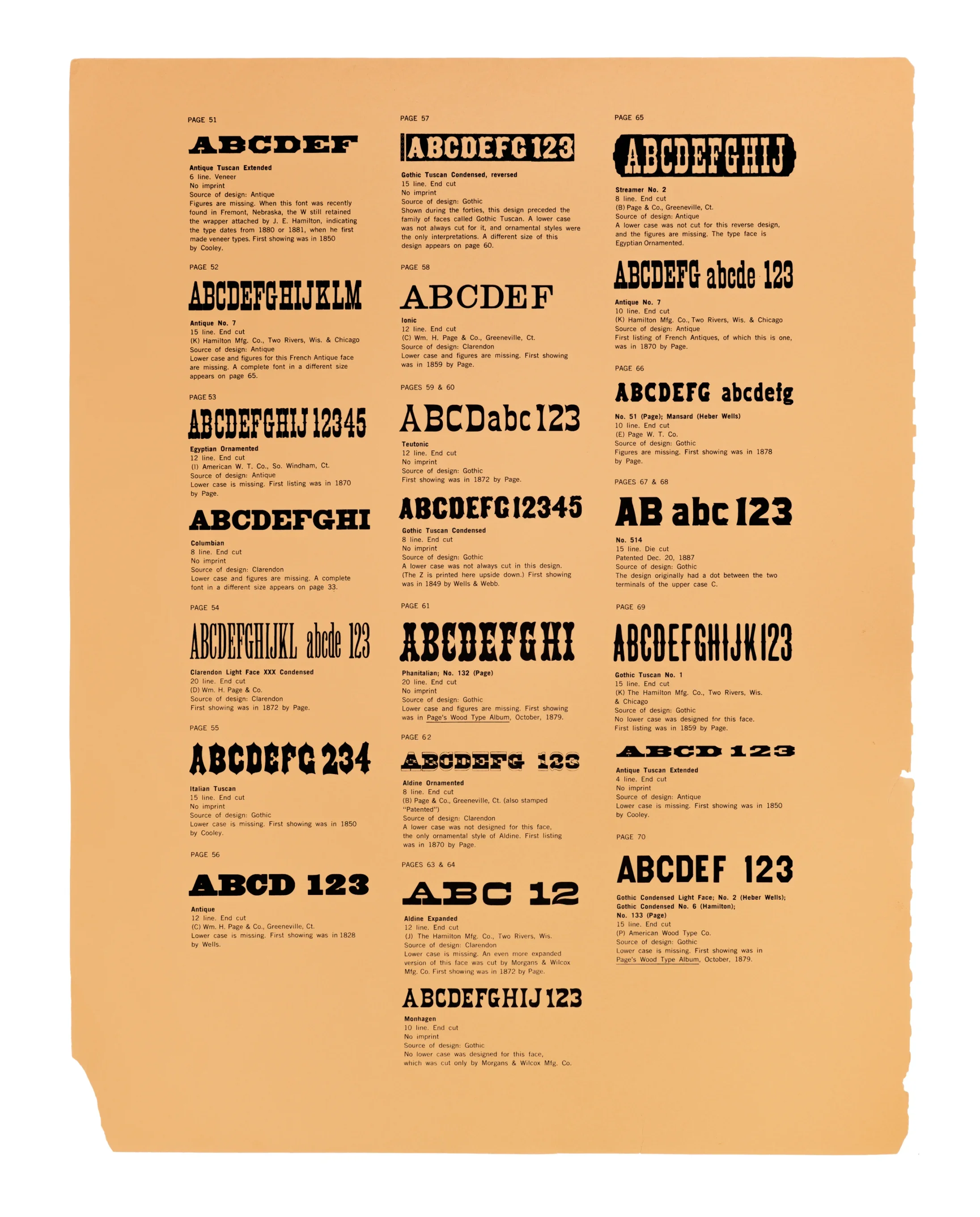
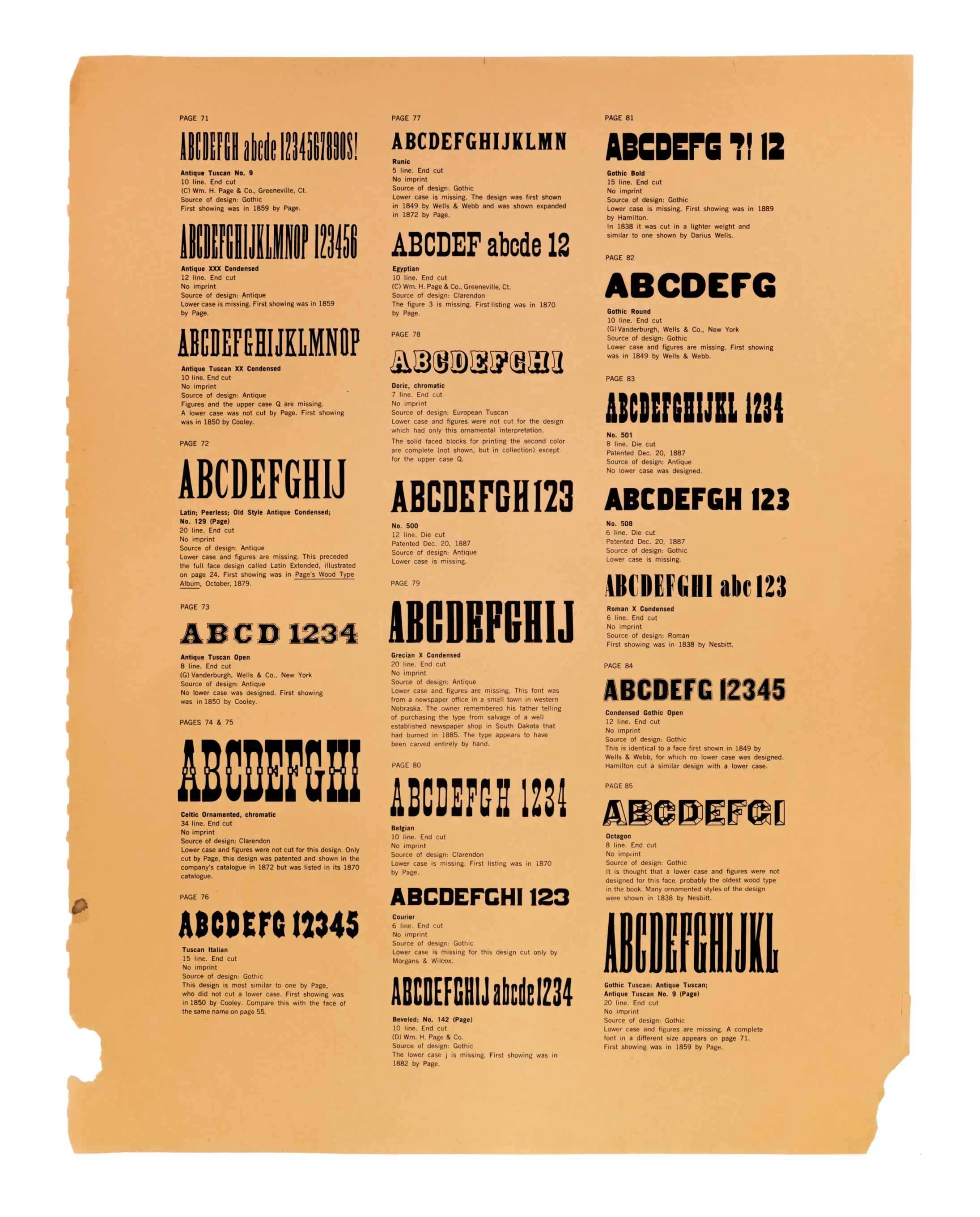
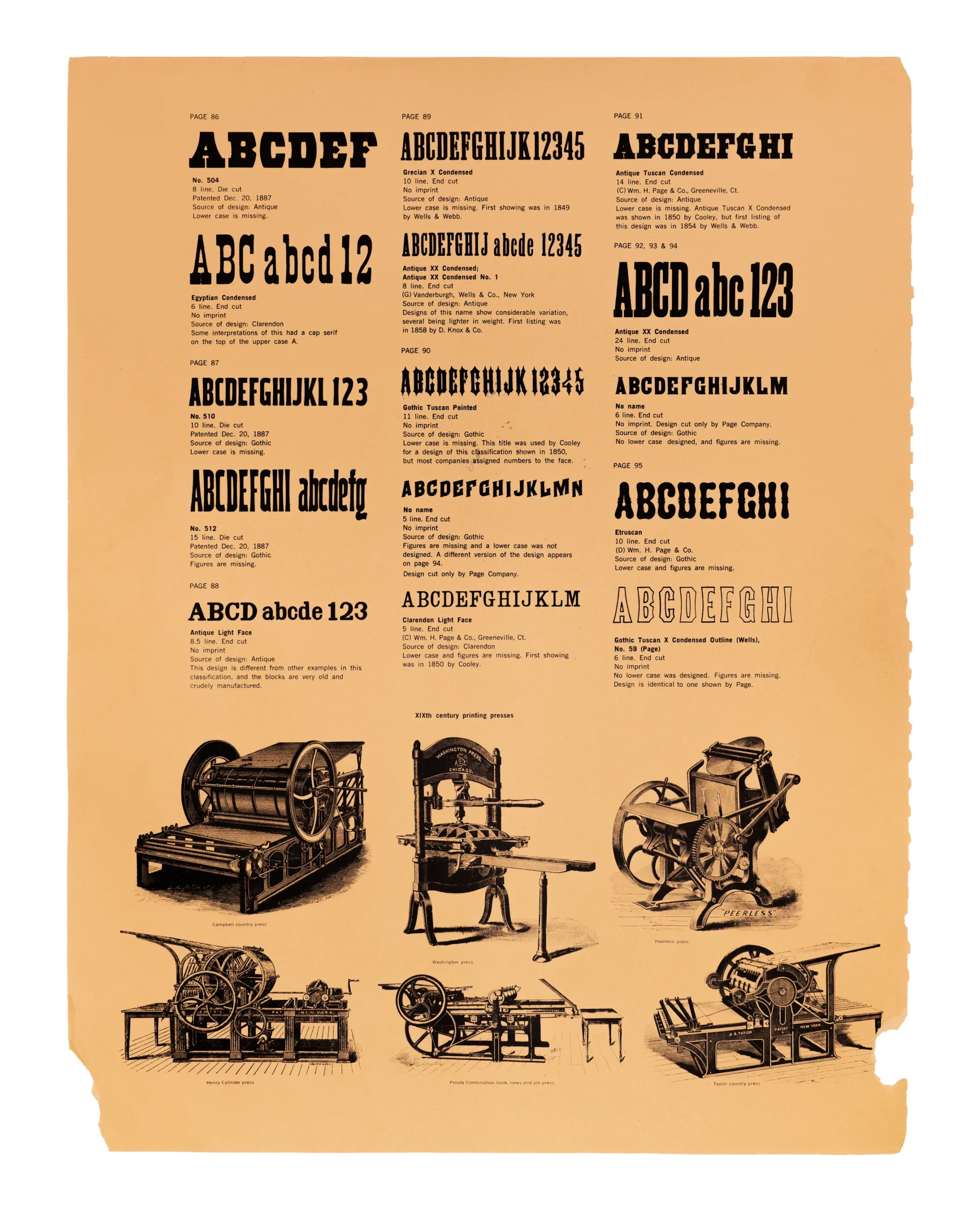
-
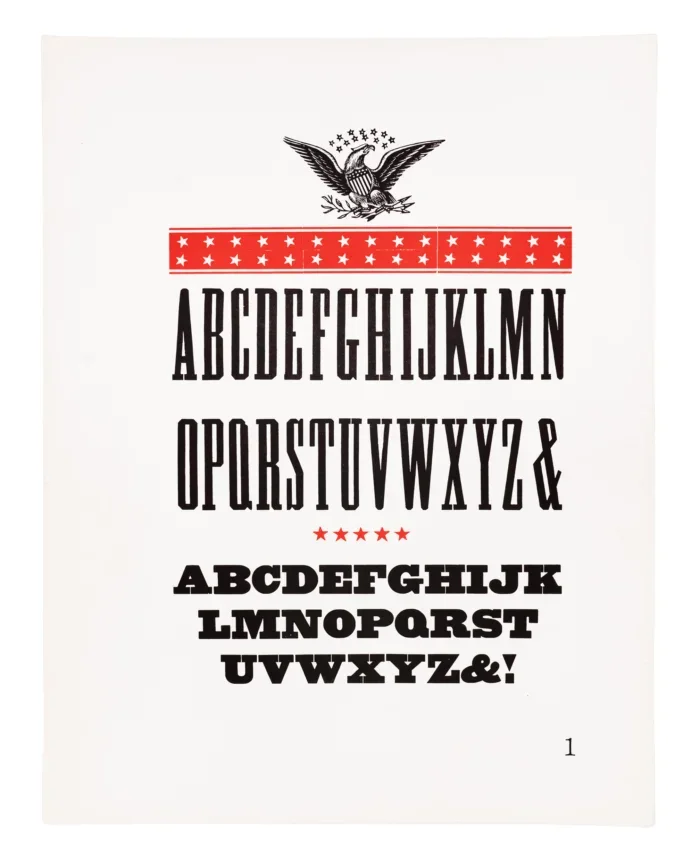
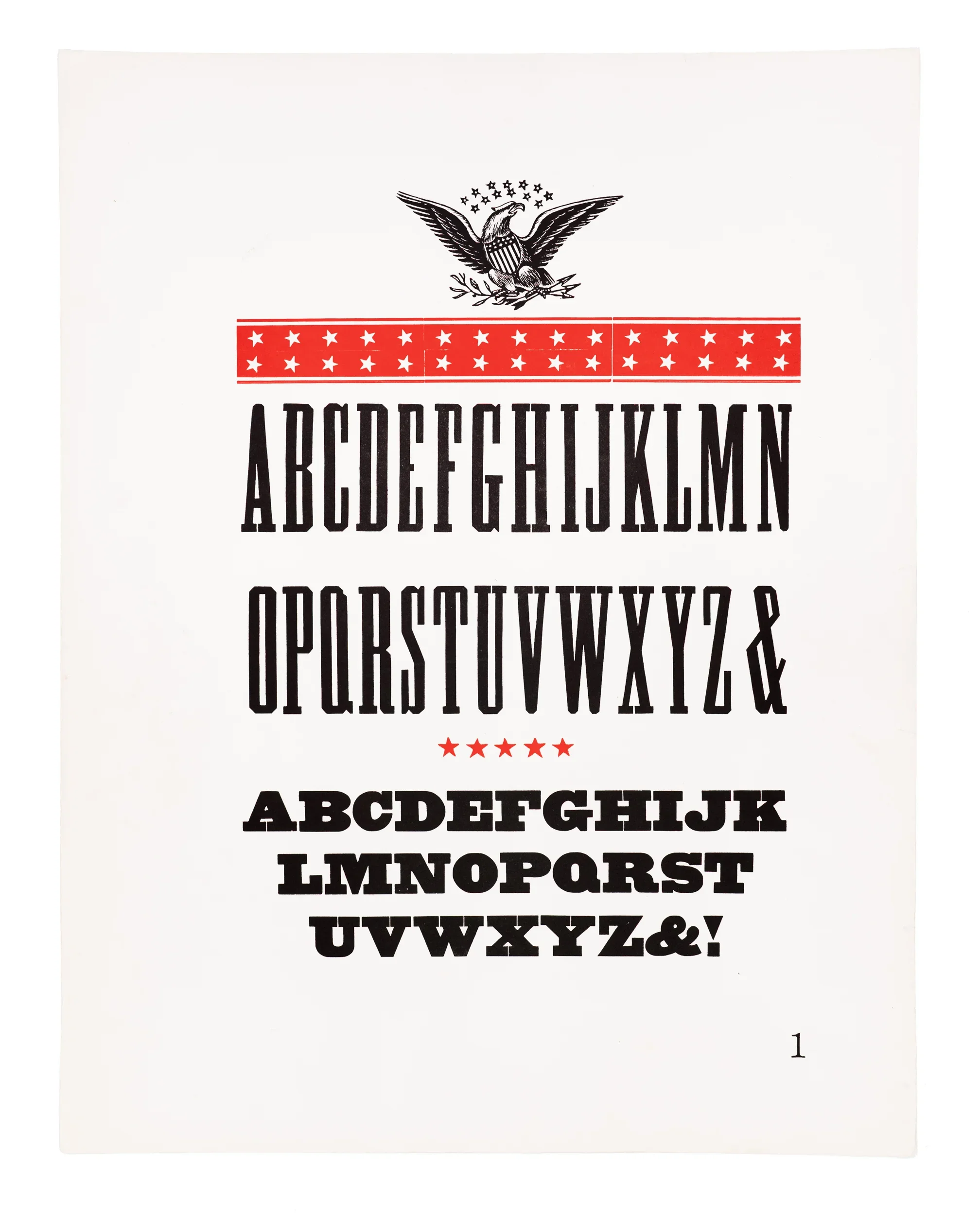
Page 1 features the faces Grecian XX Condensed (16 line) and Antique (5 line). -
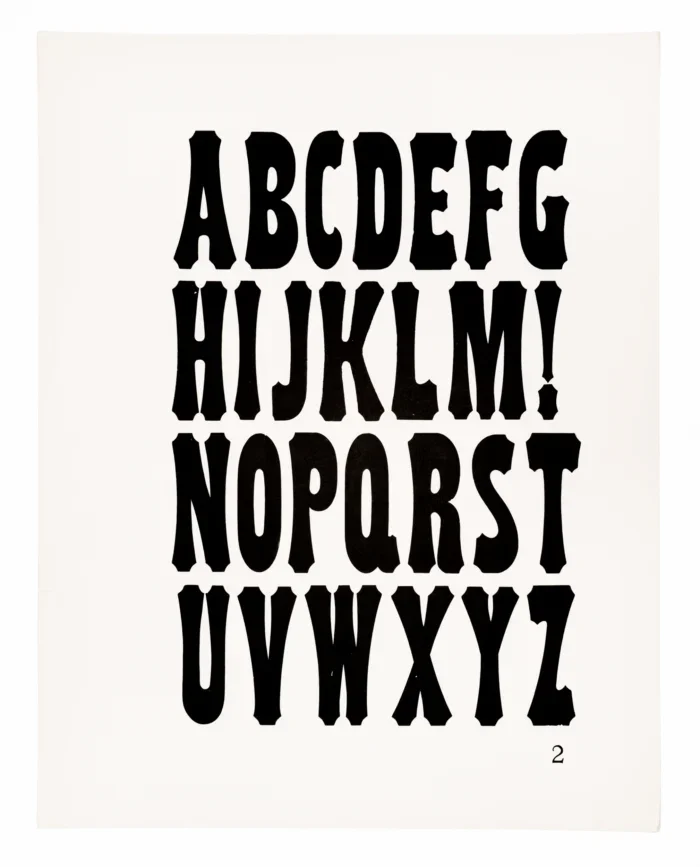
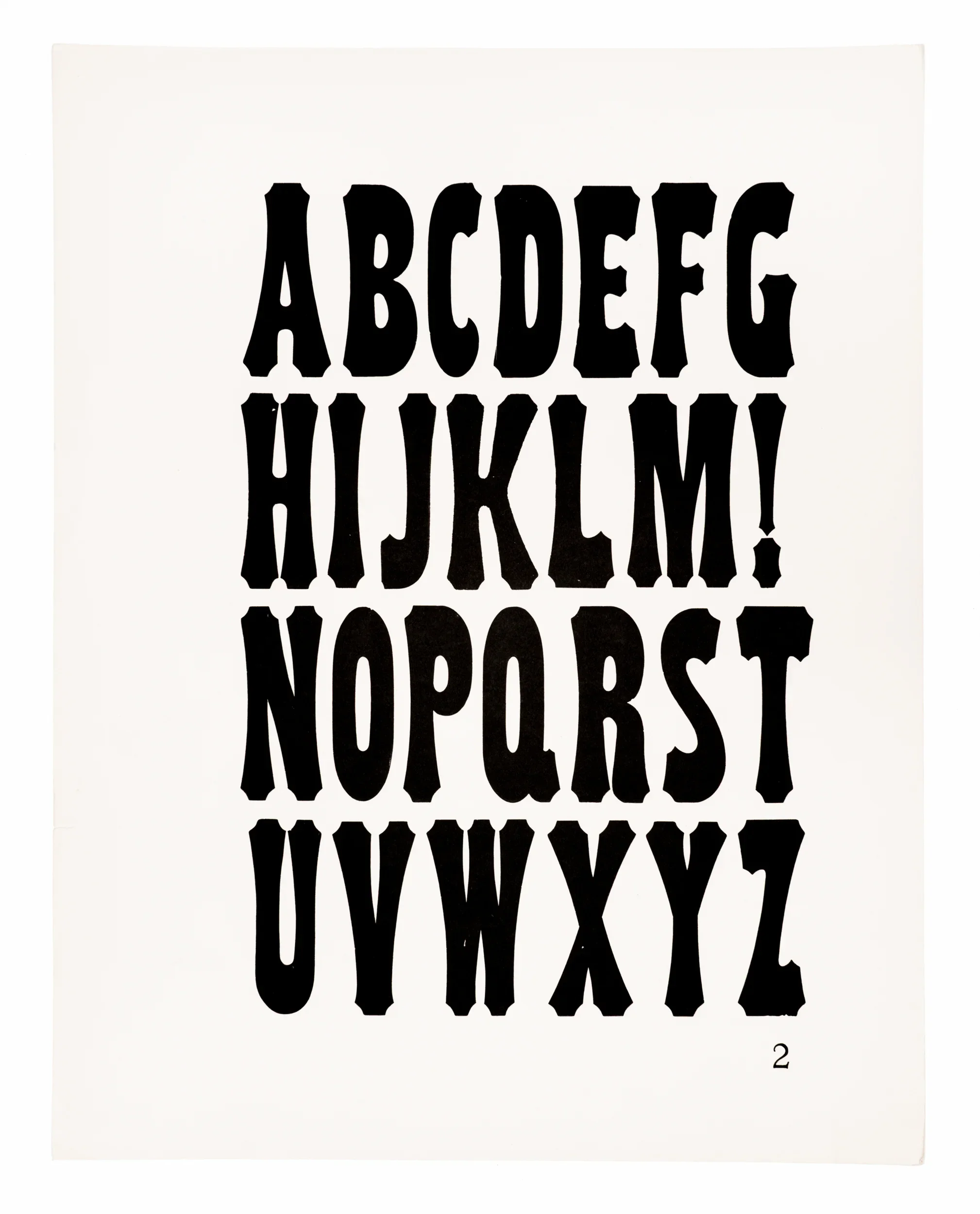
Page 2 features No. 124 (24 line). -
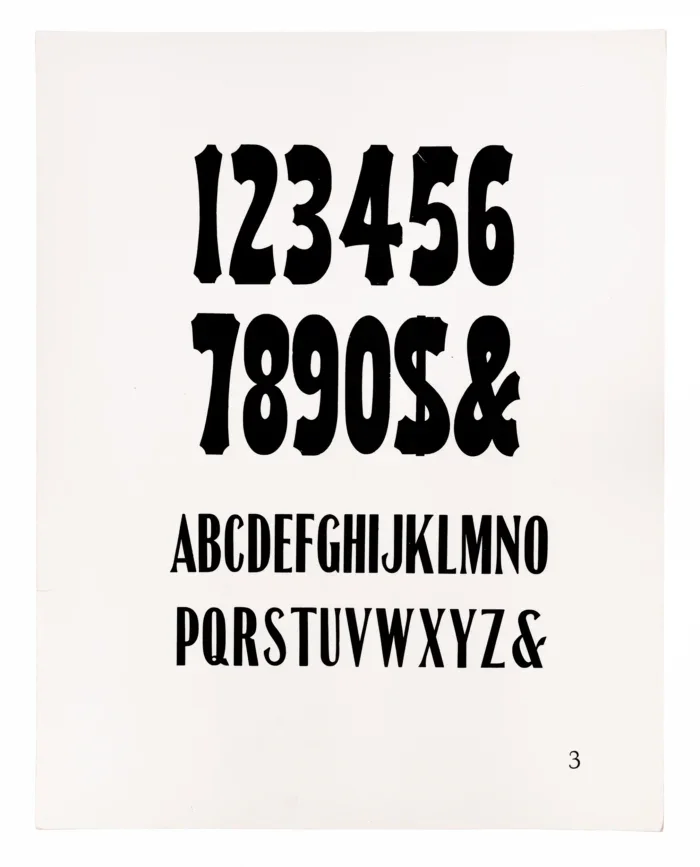
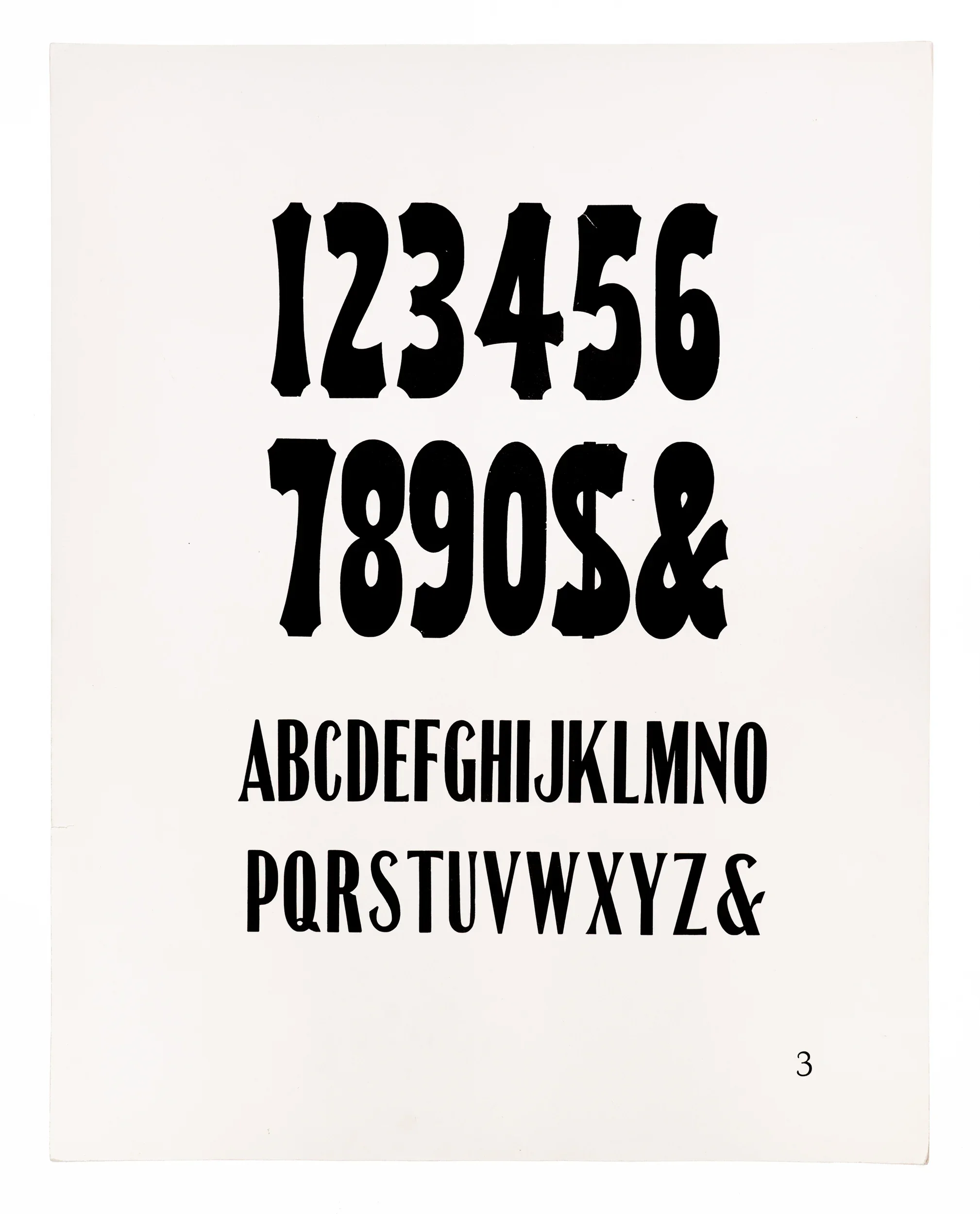
Page 2 features the numbers from No. 124 (24 line) and Modified Gothic XX Condensed (12 line). -
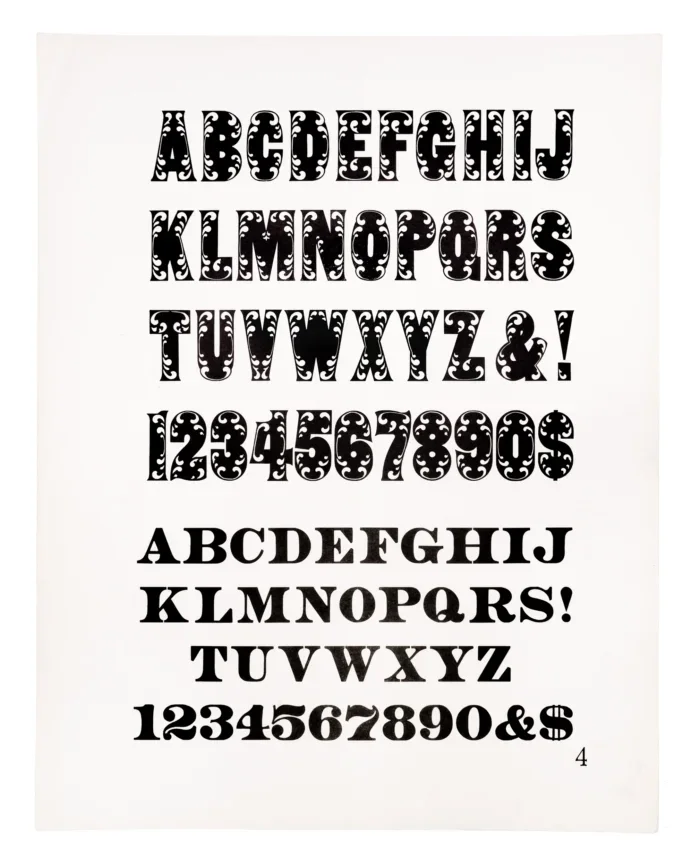
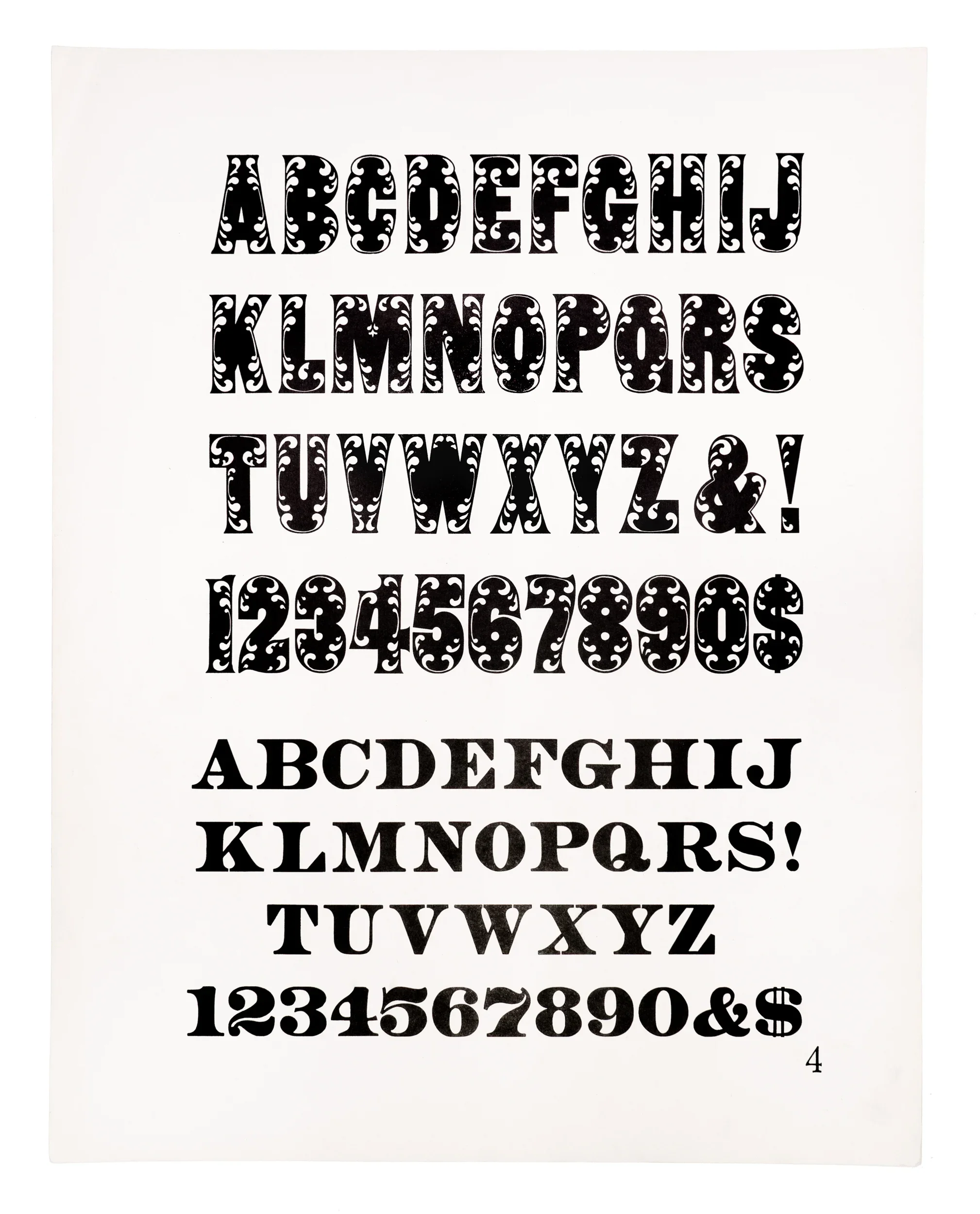
Page 4 features Corinthian (12 line) and Aetna (6 line). -
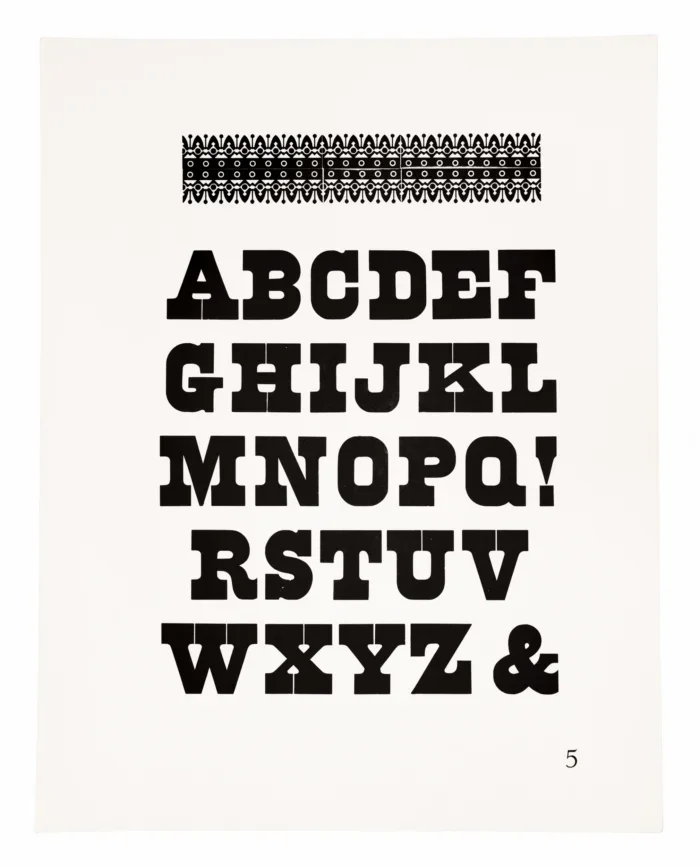
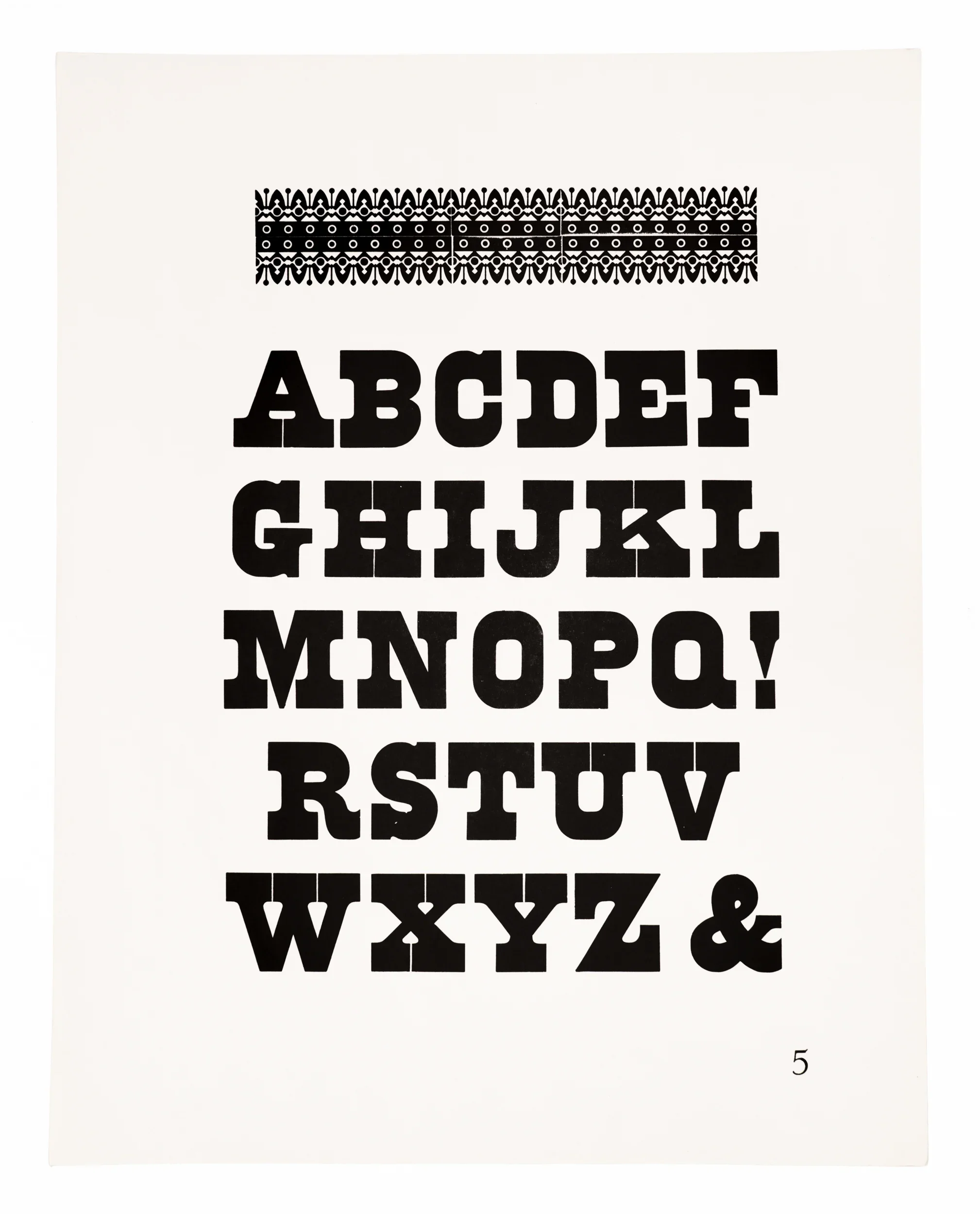
Page 5 features Aldine (12 line). -
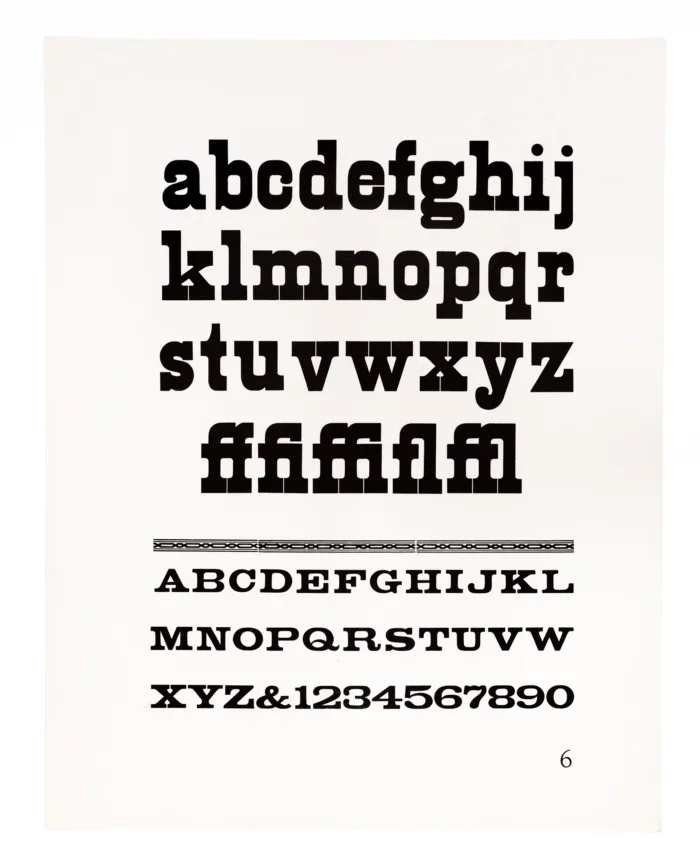
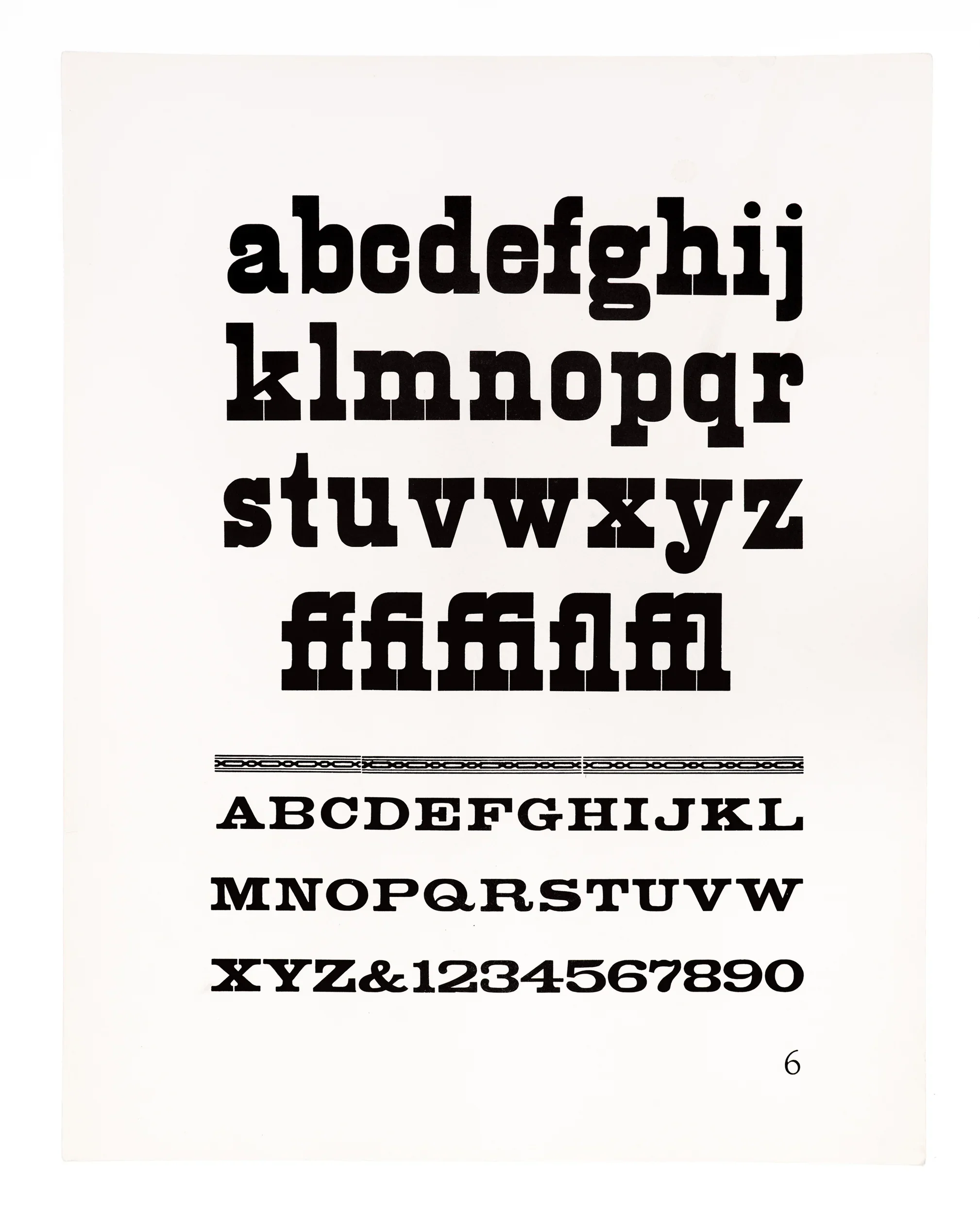
Page 6 features the lowercase characters from Aldine (12 line) and Clarendon Extended (4 line). -
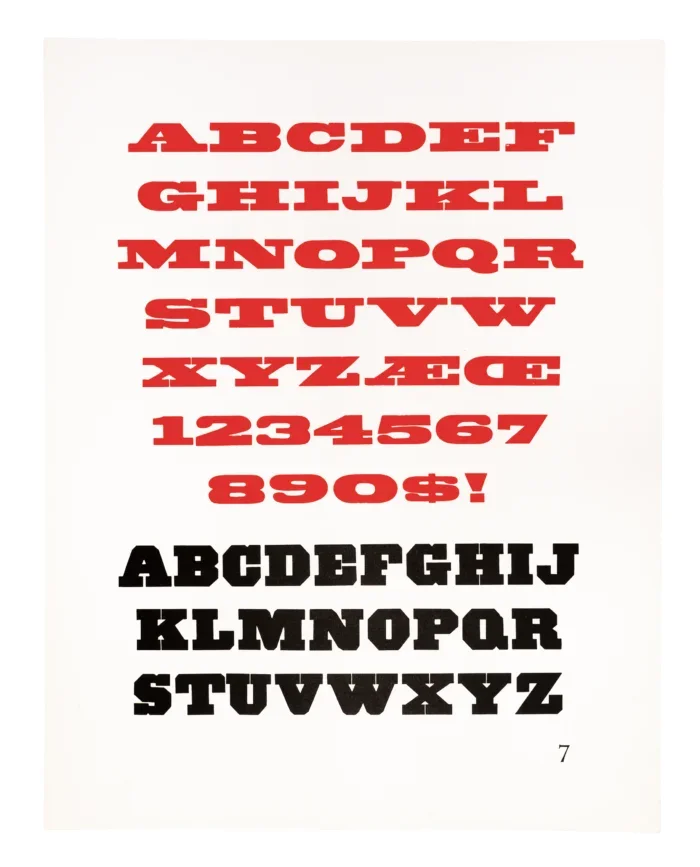
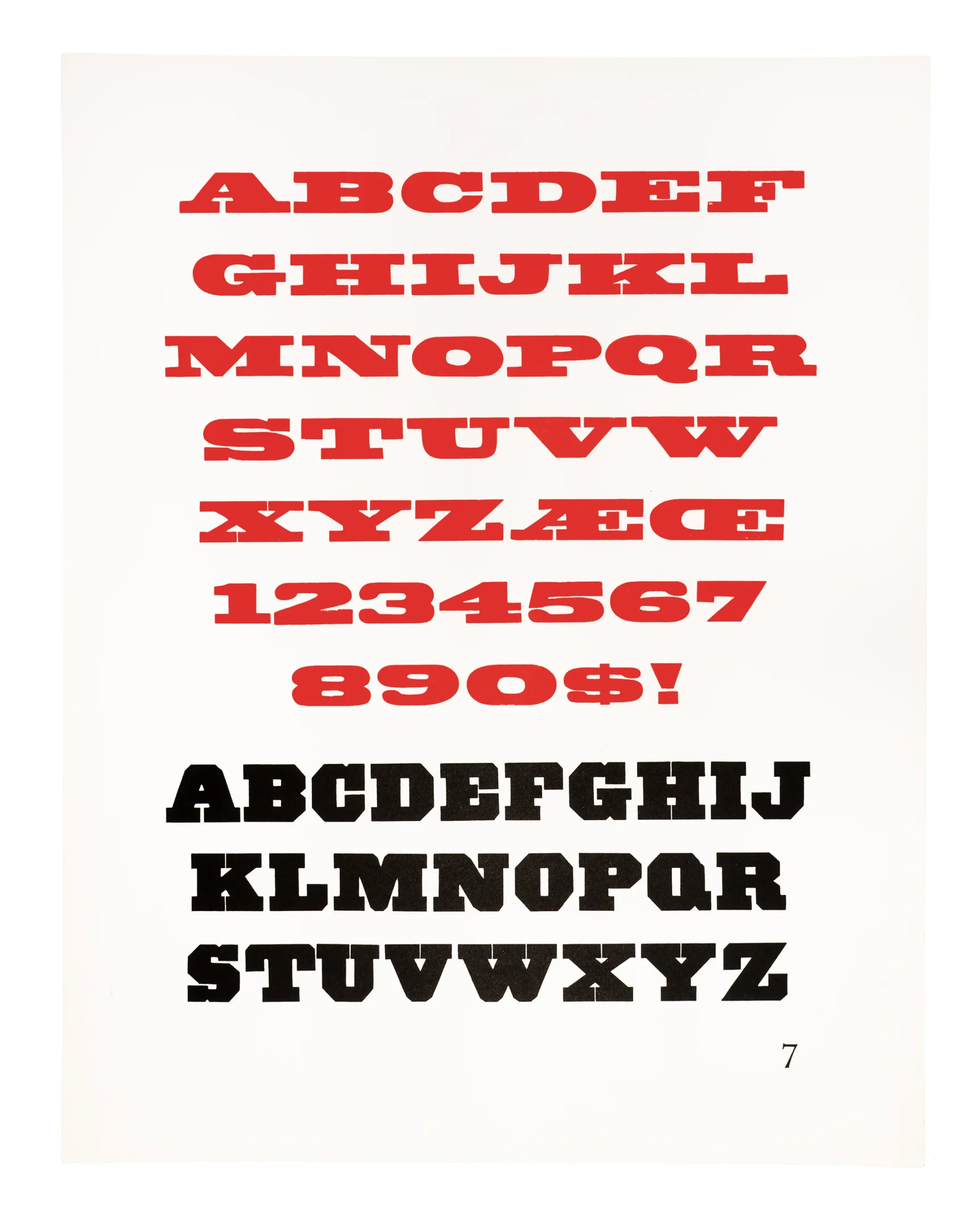
Page 7 features the uppercase characters from Antique Extended (5 line) and Grecian (7 line). -
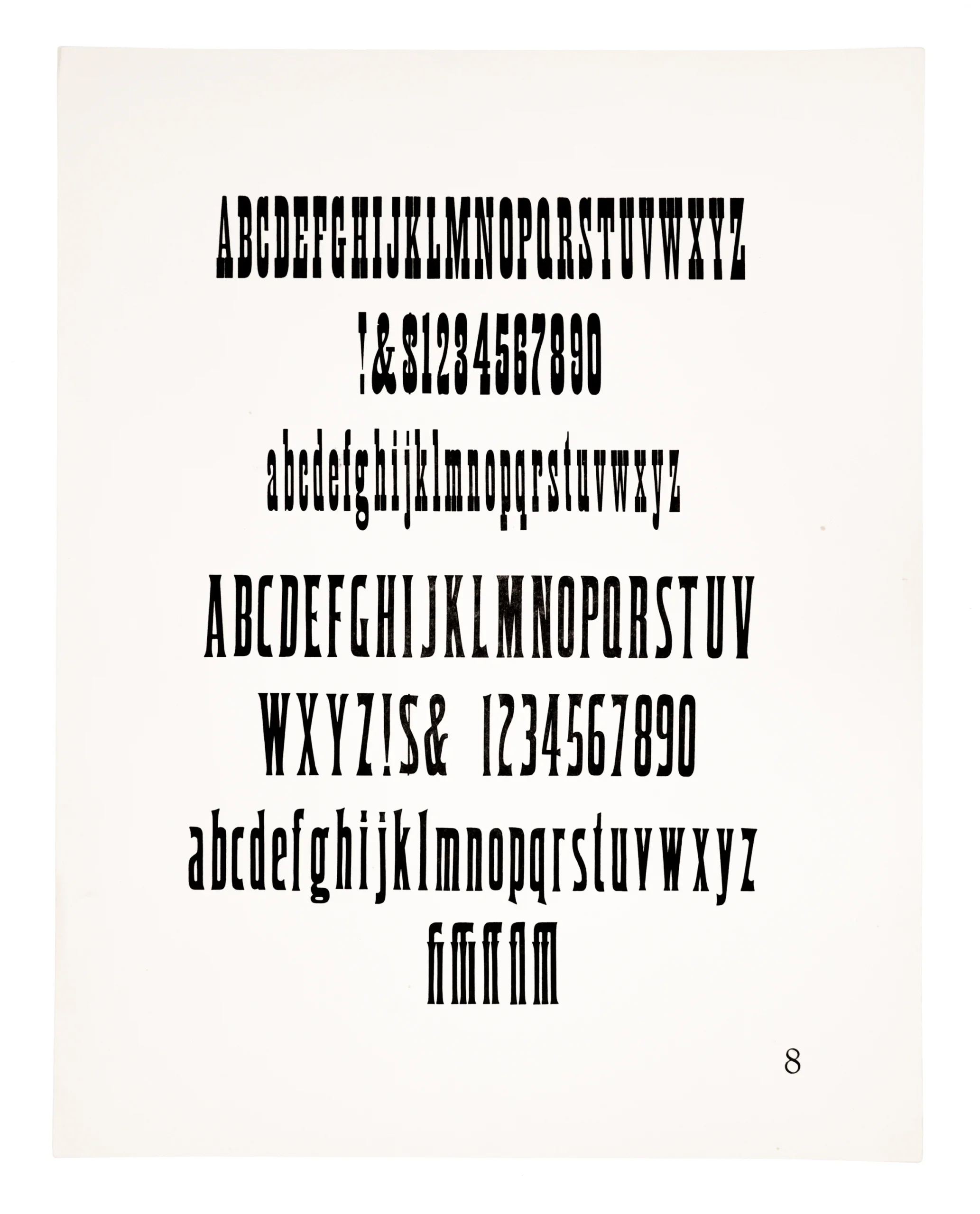
Page 8 features French Antique (10 line) and Trenton (10 line). -
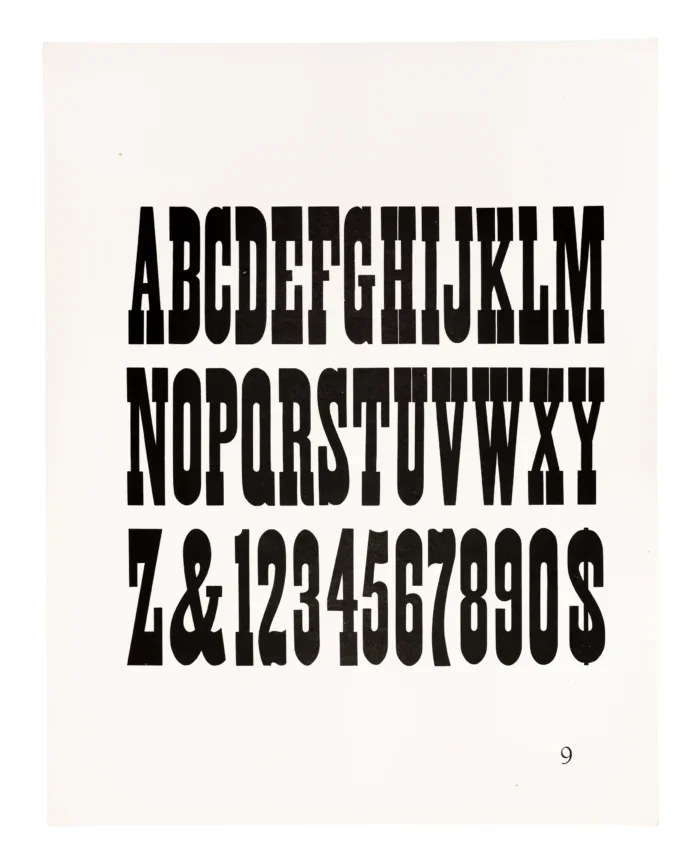
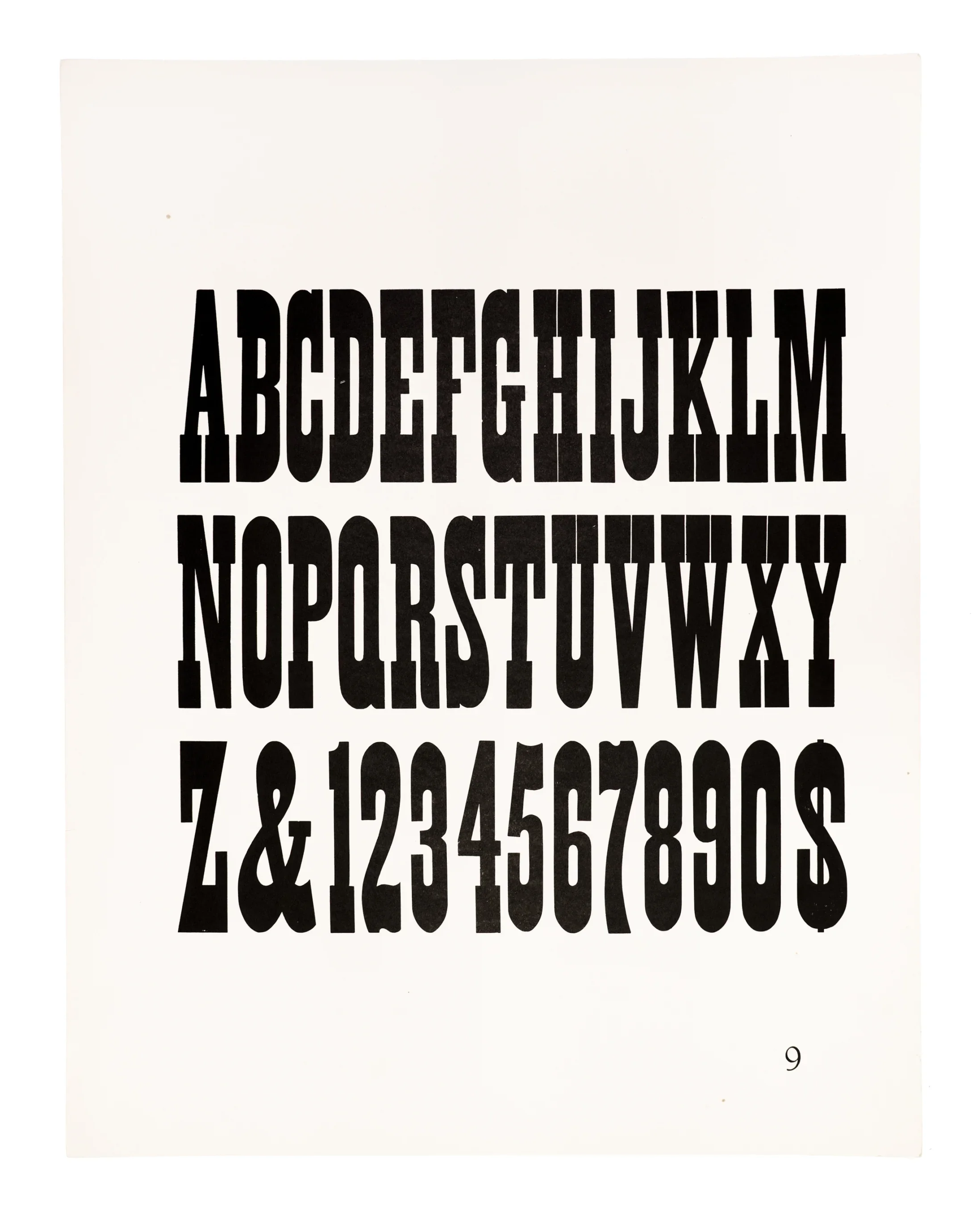
Page 9 features French Antique No. 1 (24 line). -
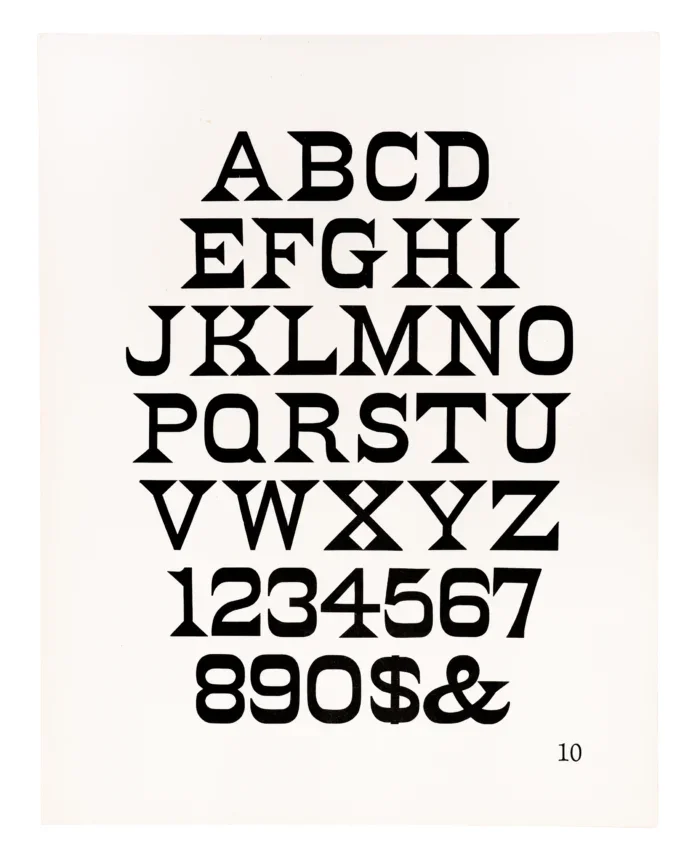
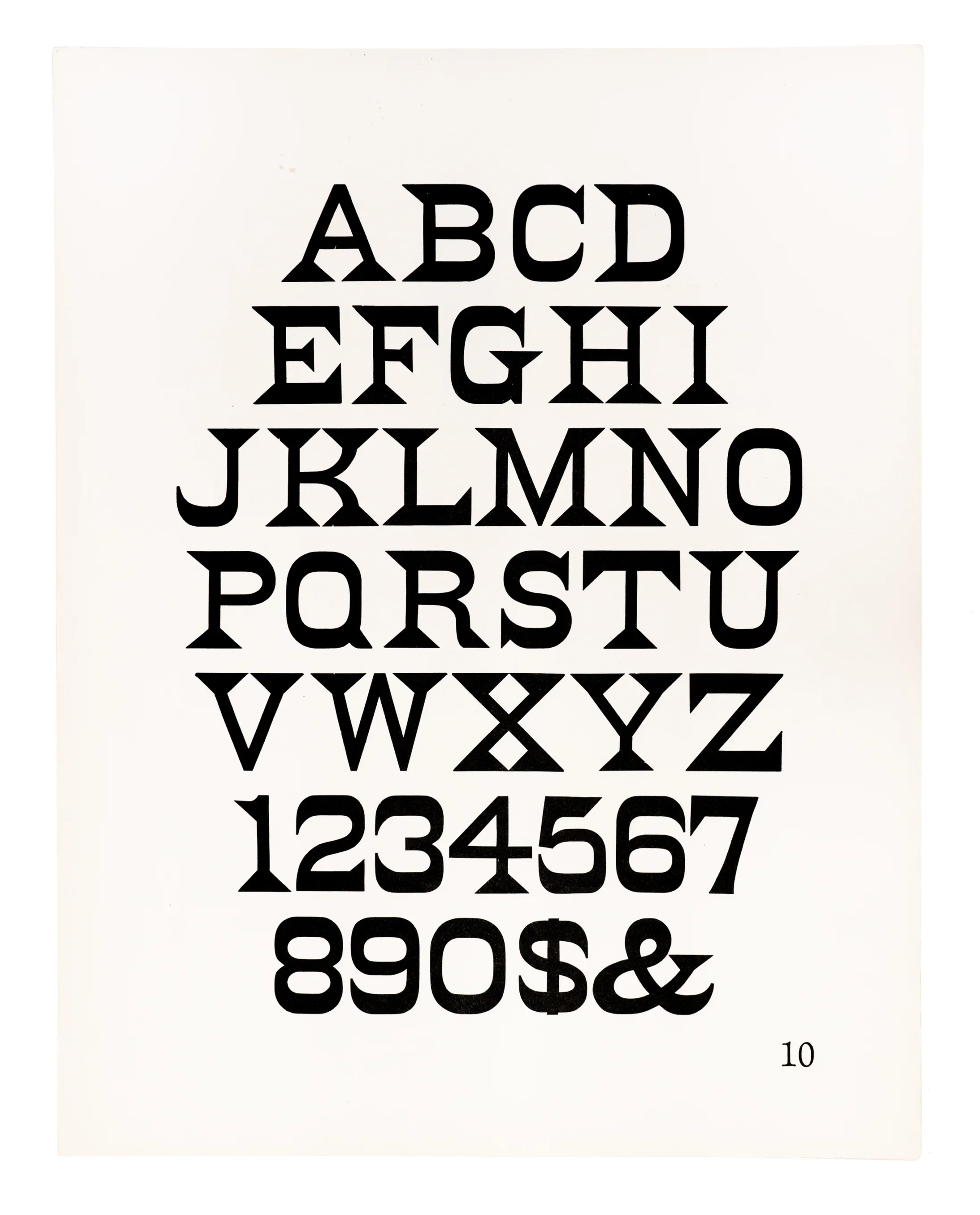
Page 10 features No. 131 (10 line). -
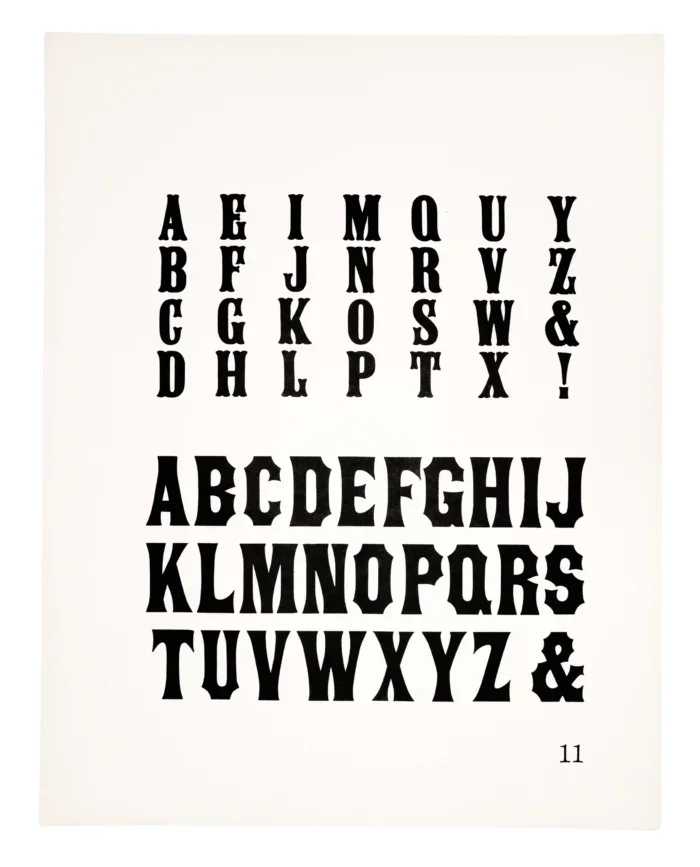
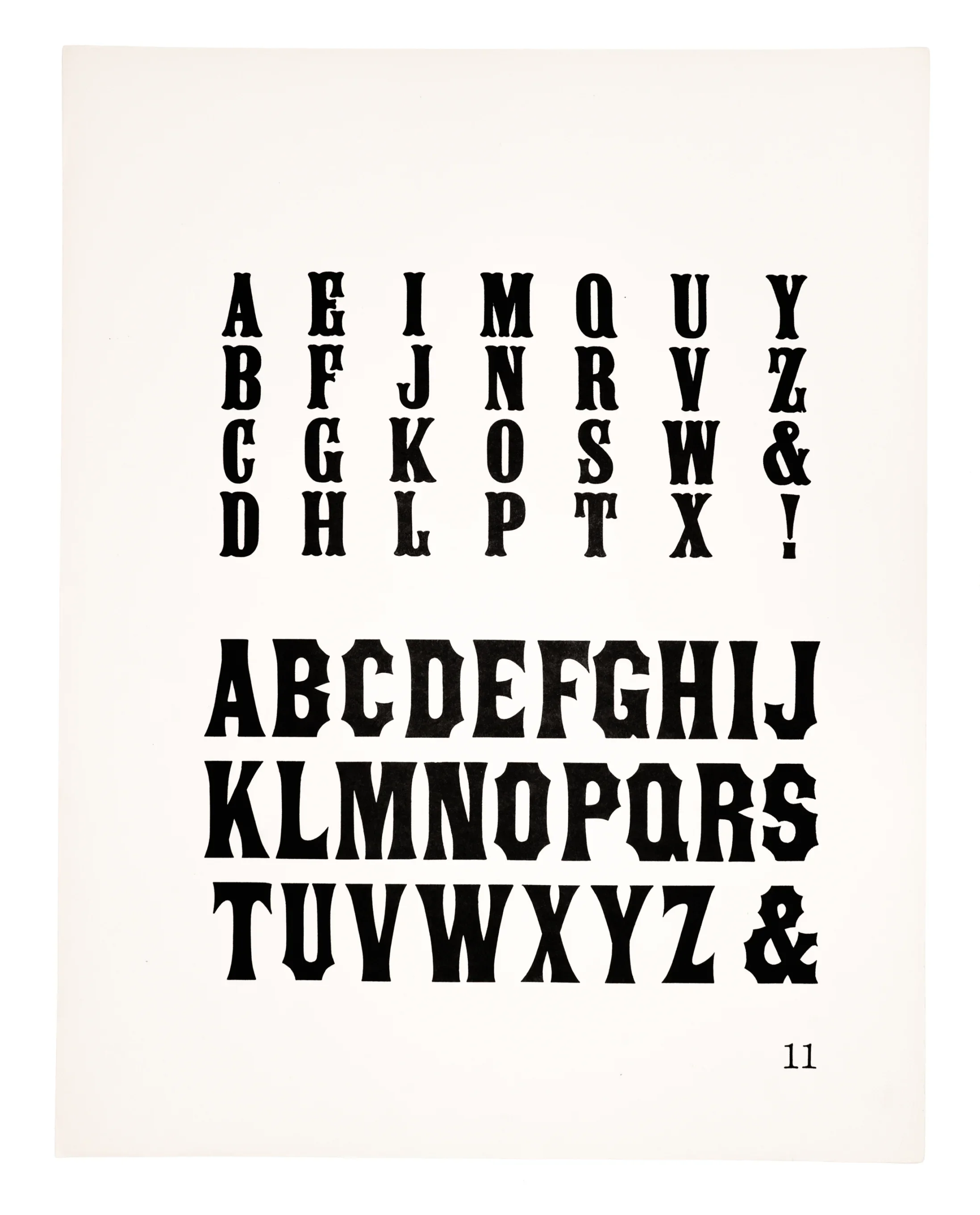
Page 11 features Antique Tusc. X Condensed No. 11 (8 line) and Gothic Tuscan X Condensed (12 line). -
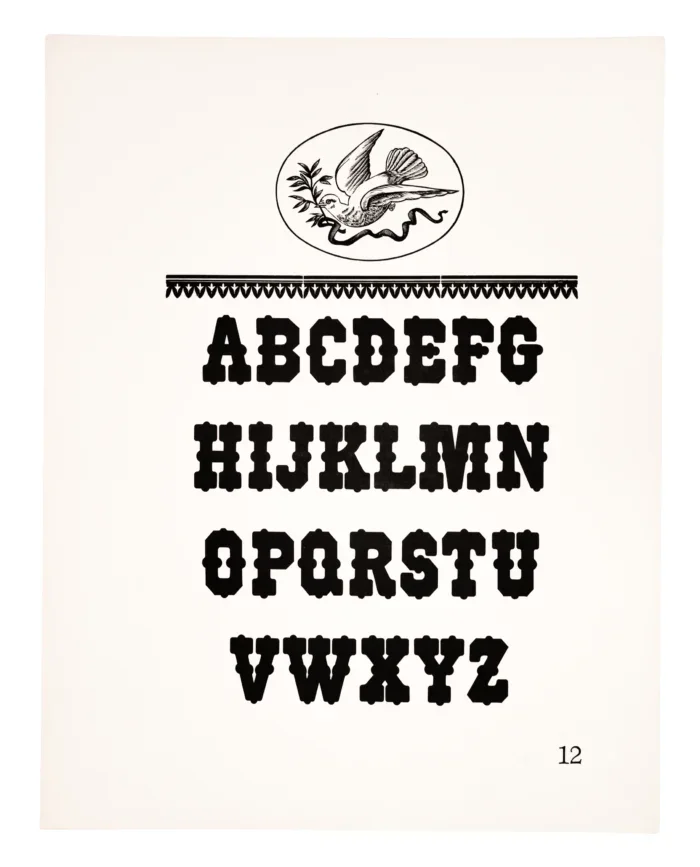
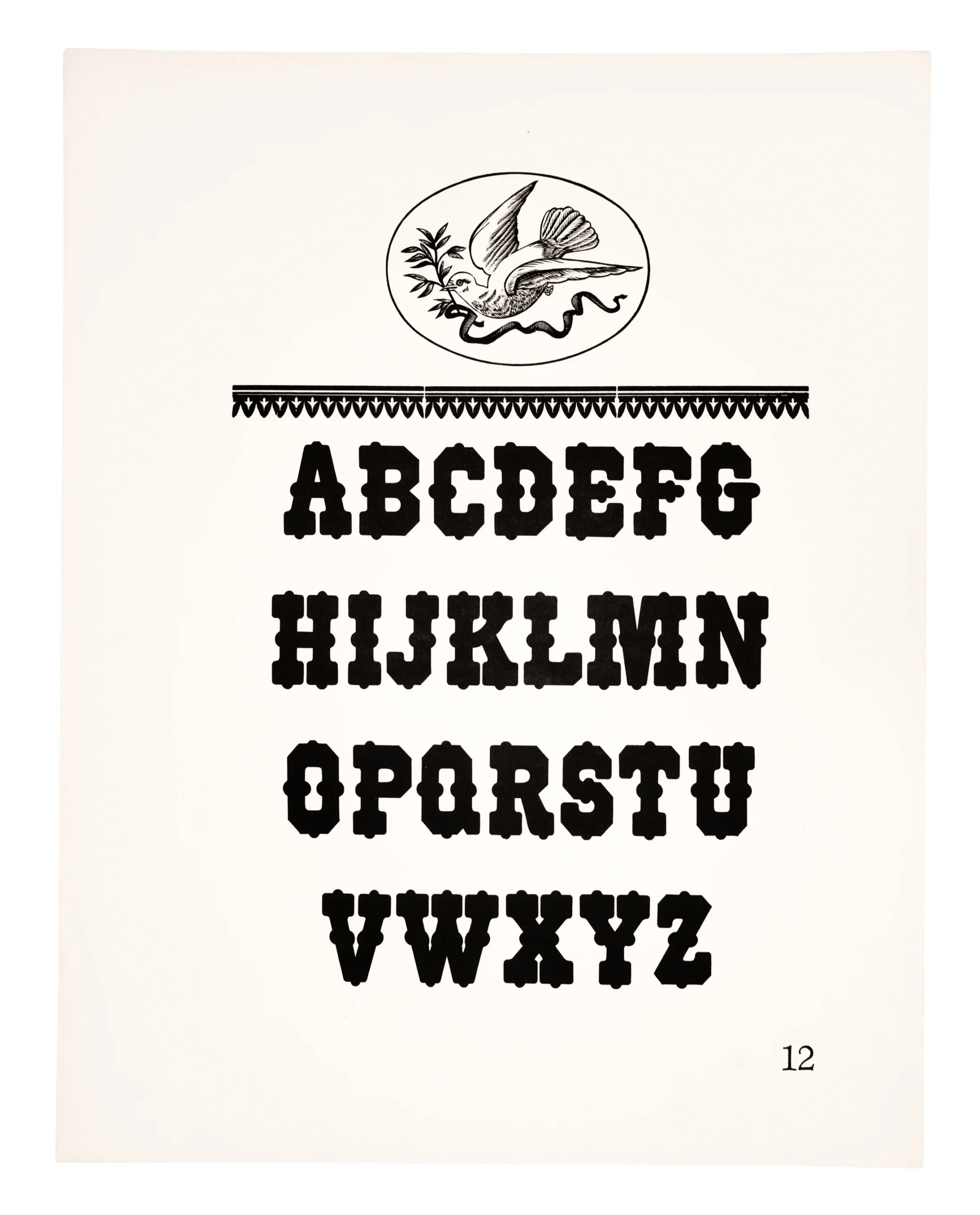
Page 12 features No. 515 (12 line). -
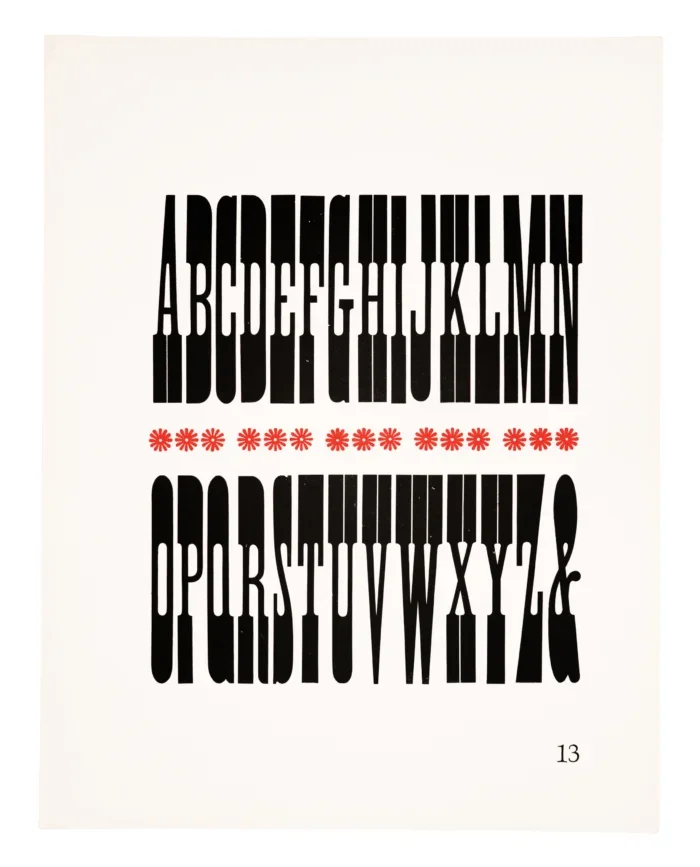
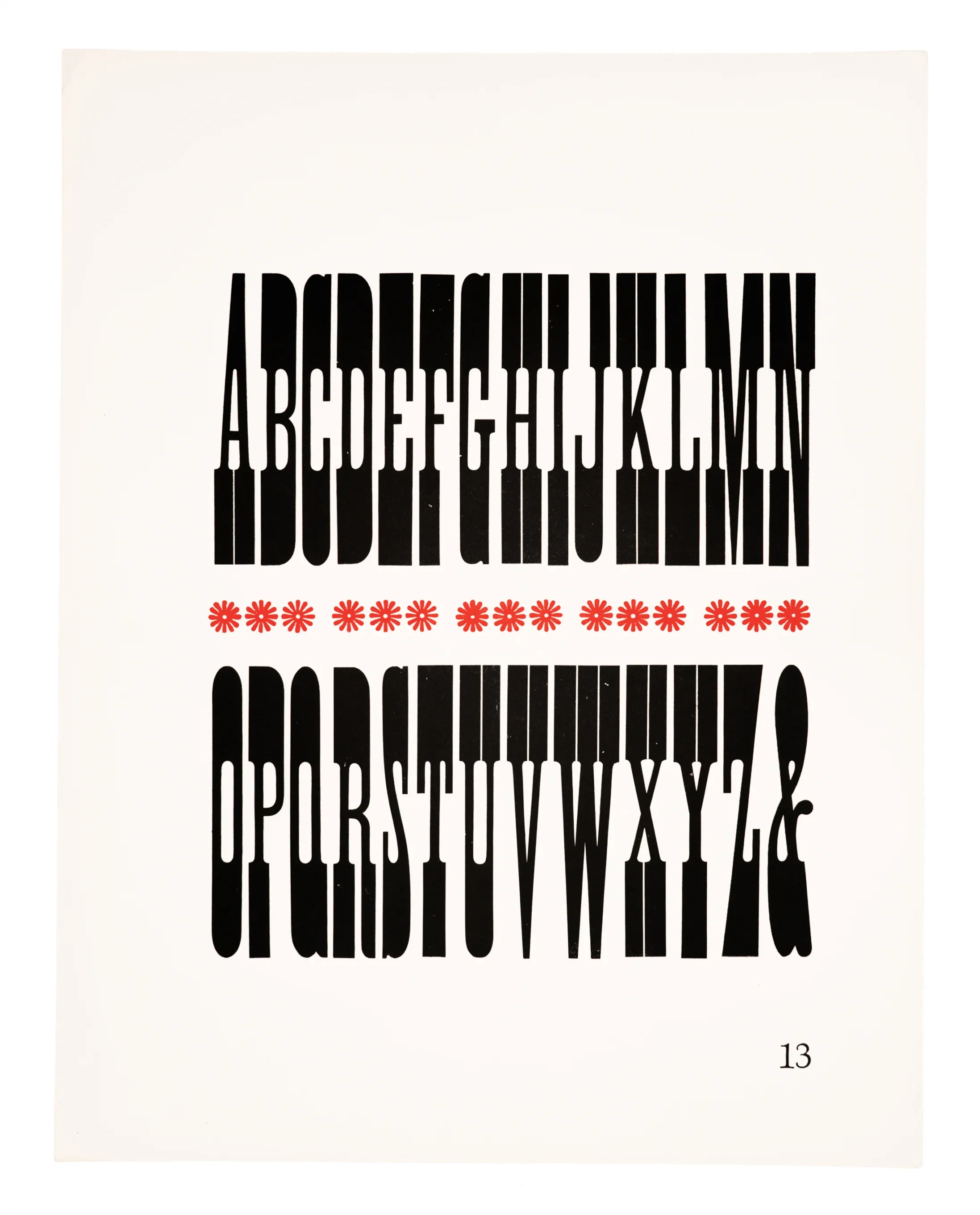
Page 13 features No. 117 (36 line). -
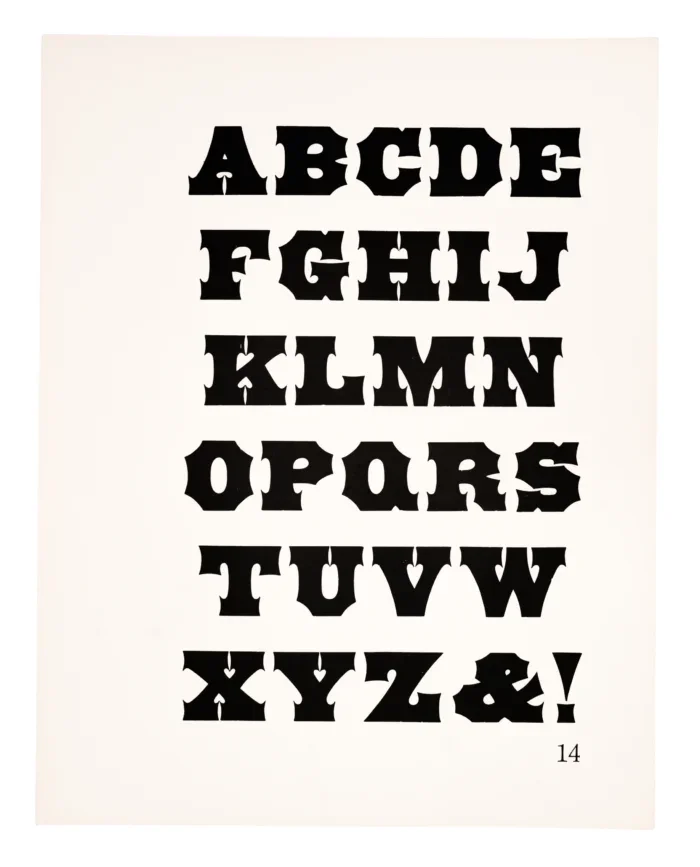
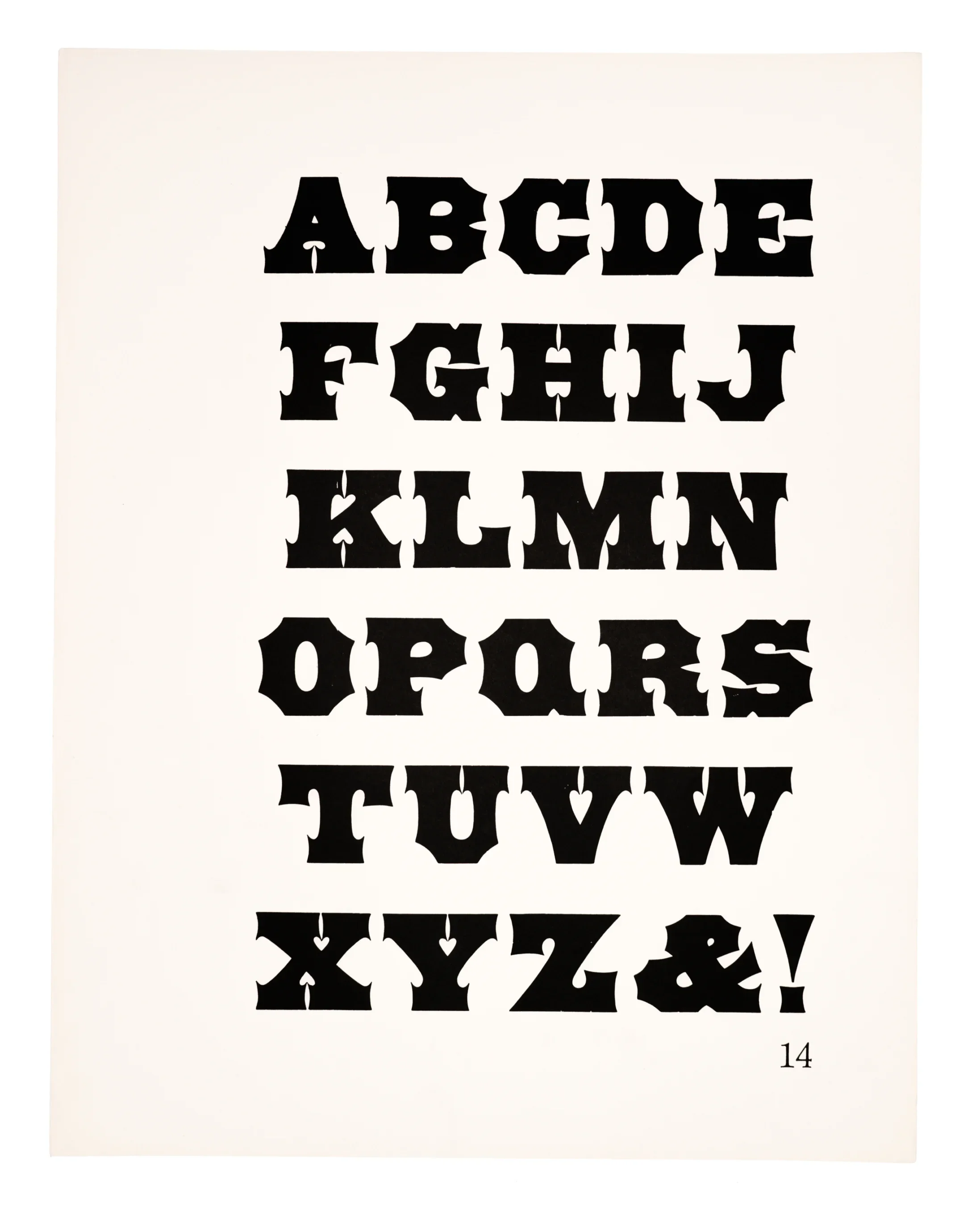
Page 14 features Antique Tuscan, excluding the numerals (12 line). -
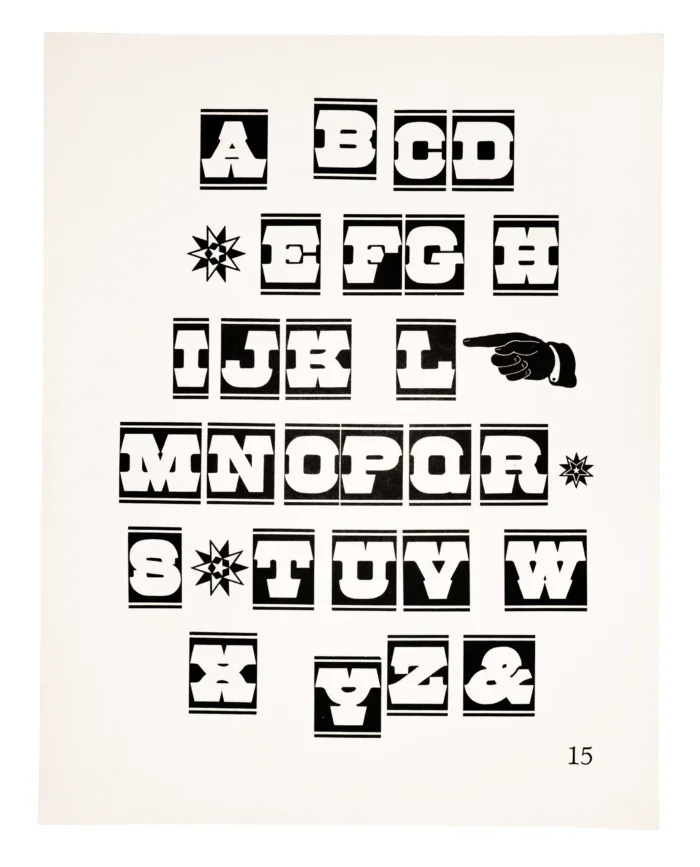
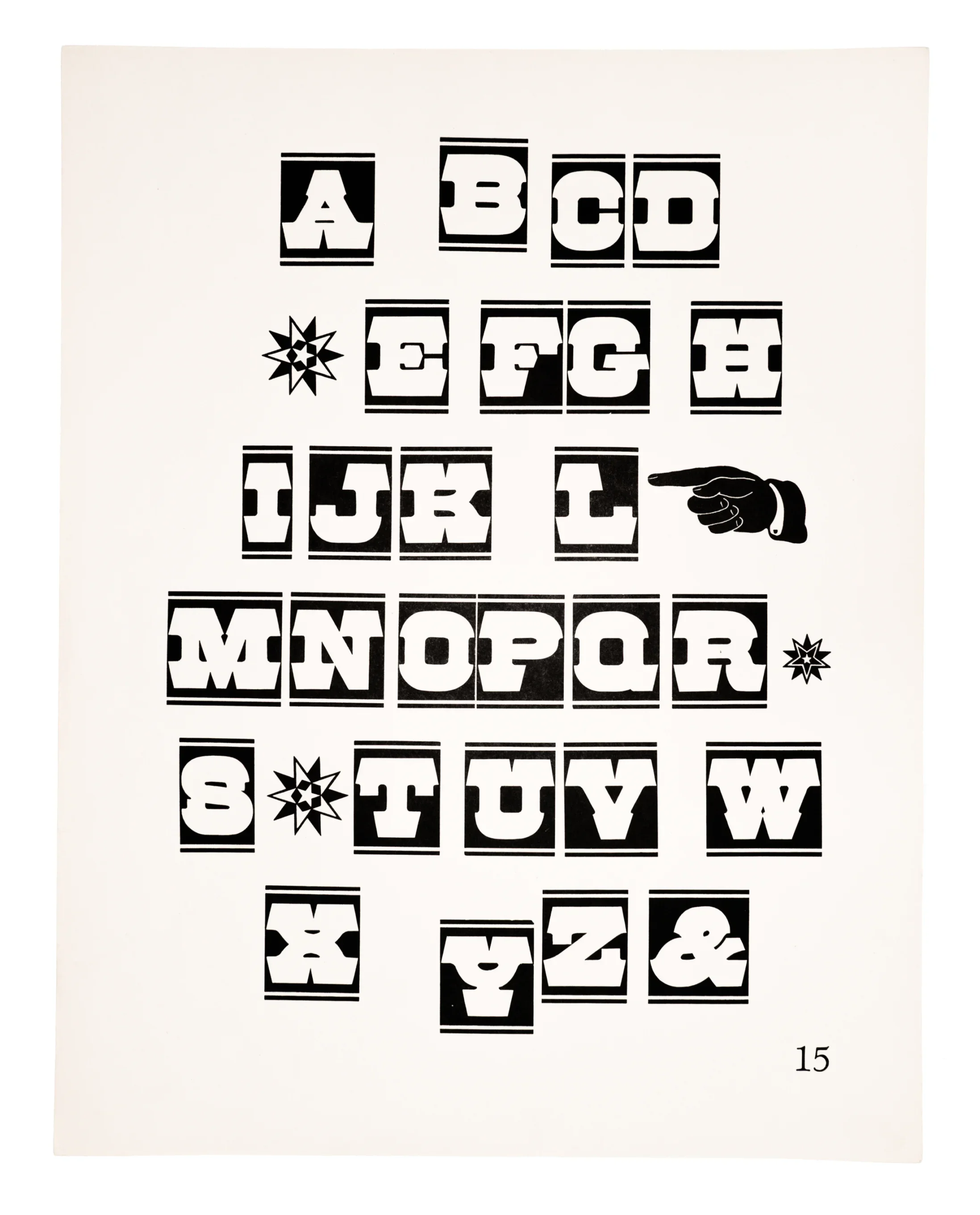
Page 15 features Streamer No. 36 (14 line). -
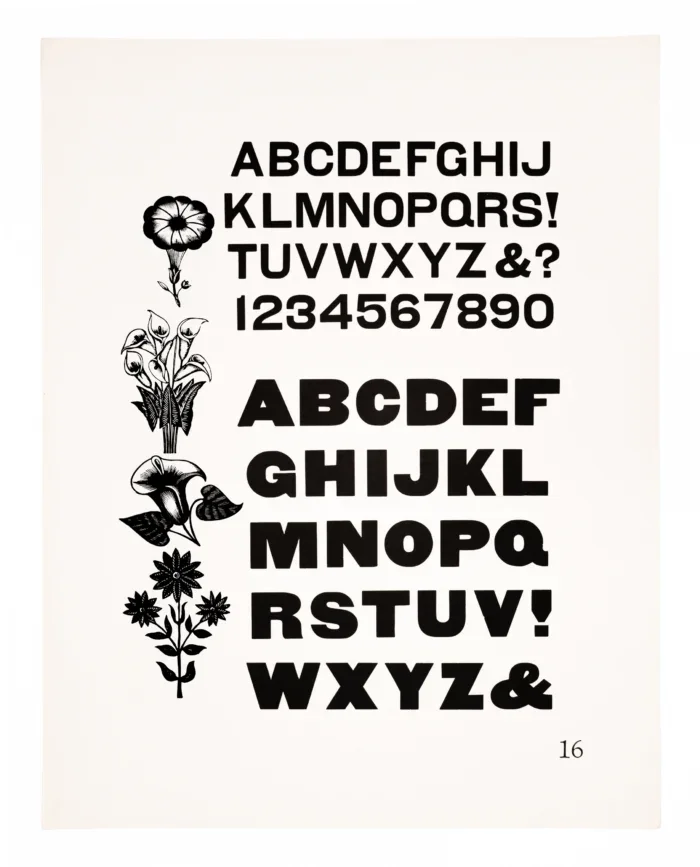
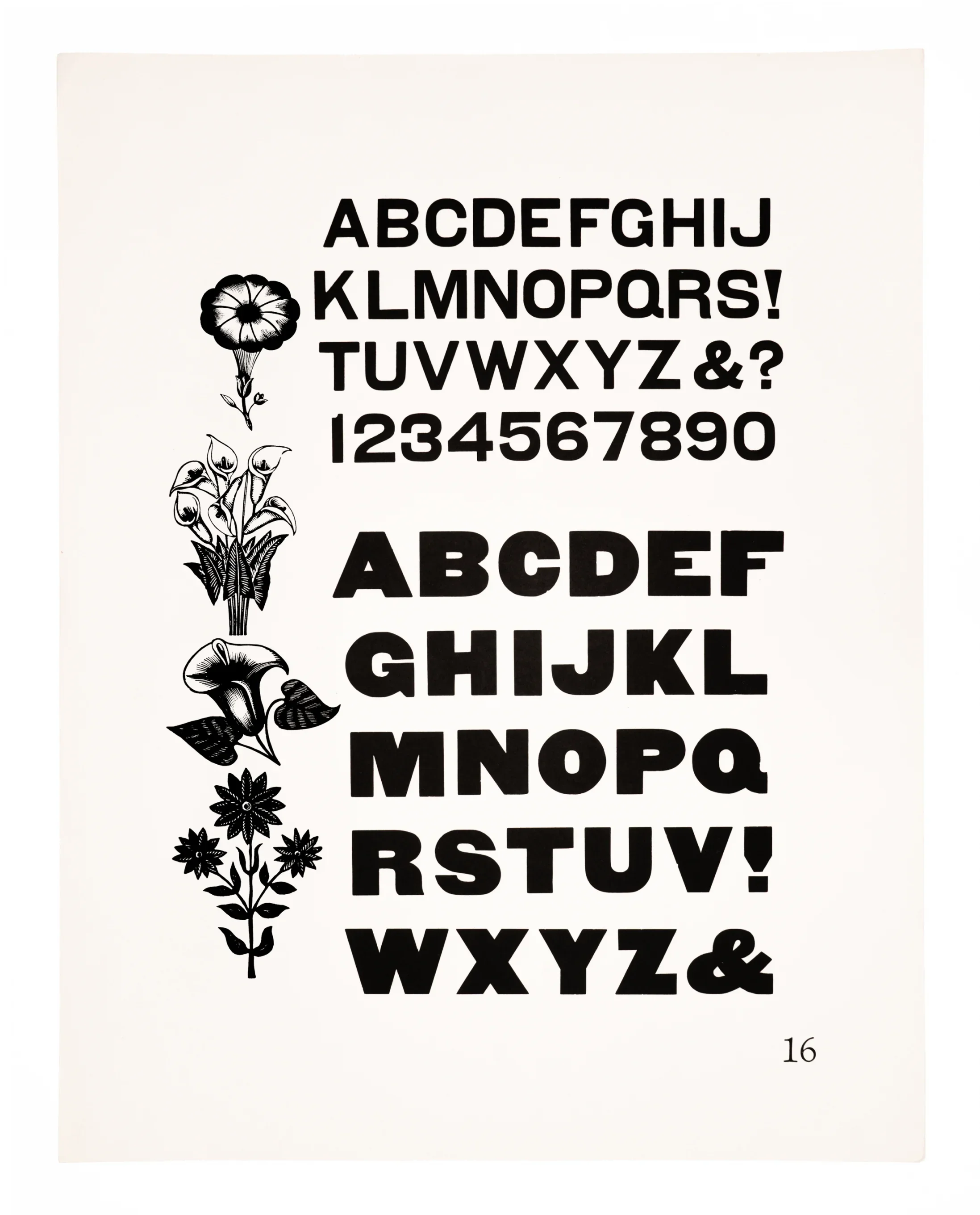
Page 16 features Gothic Light Face (6 line), and Gothic (8 line). -
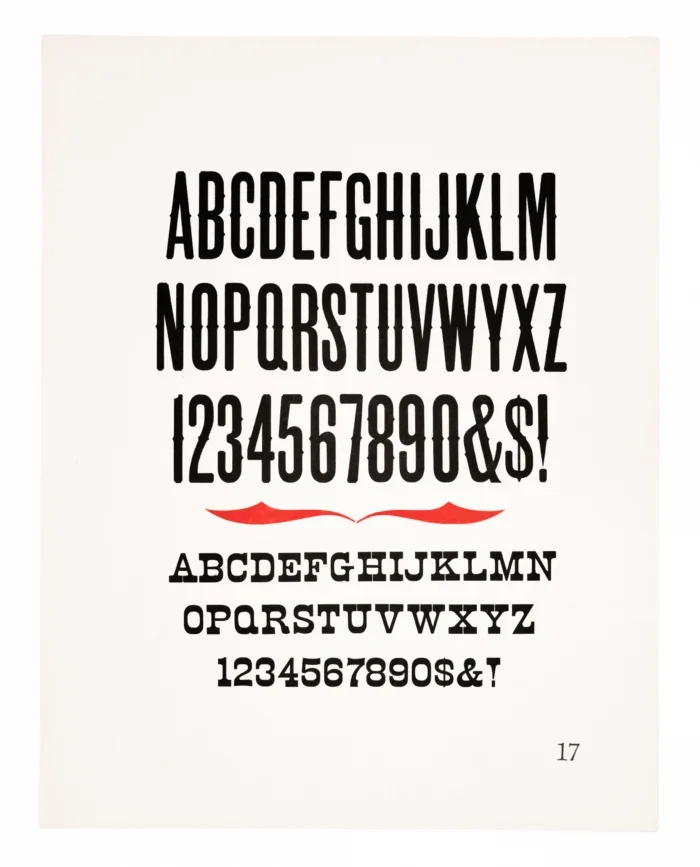
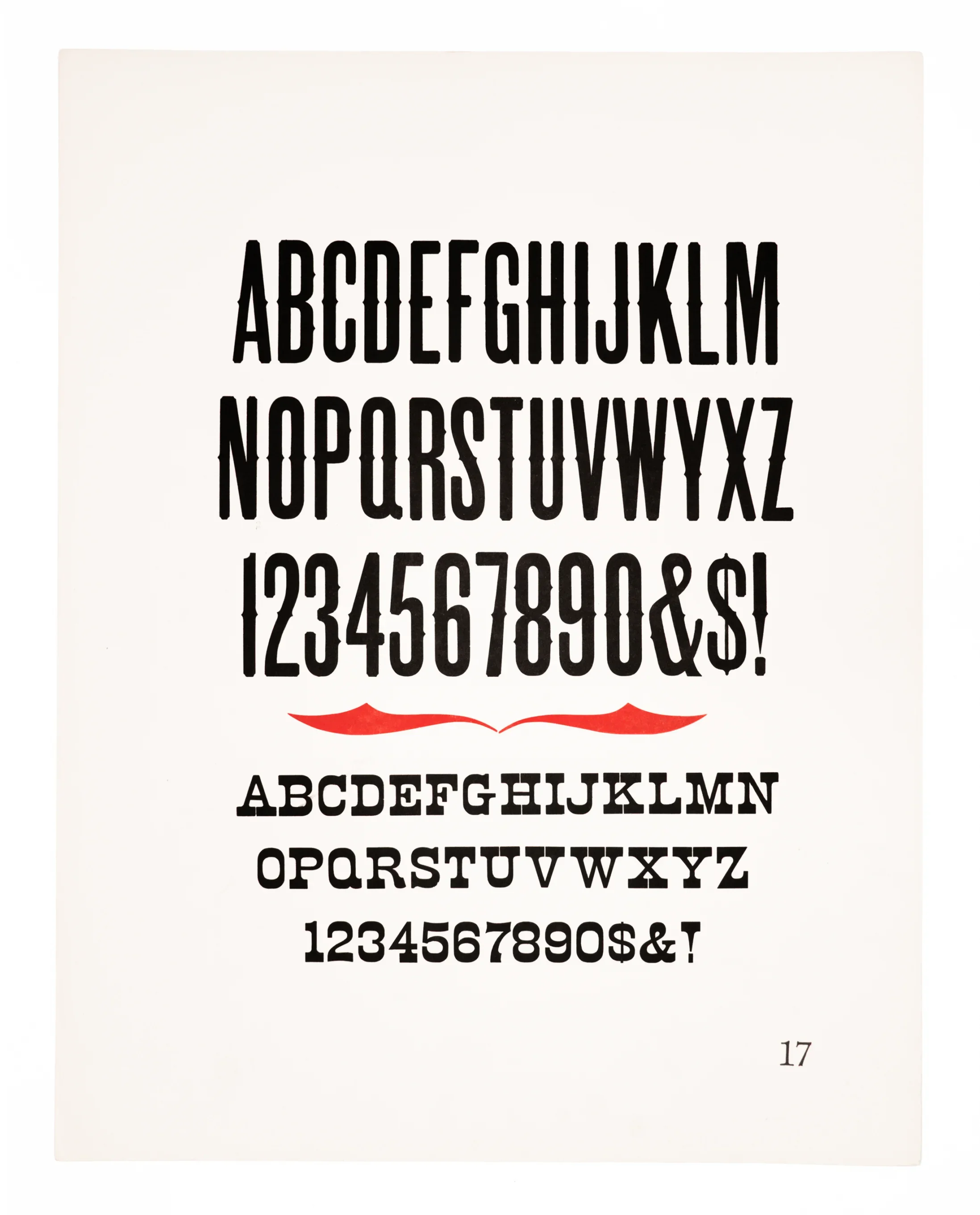
Page 17 features Gothic Tuscan No.5 (15 line), and Norwich Aldine (5 line). -
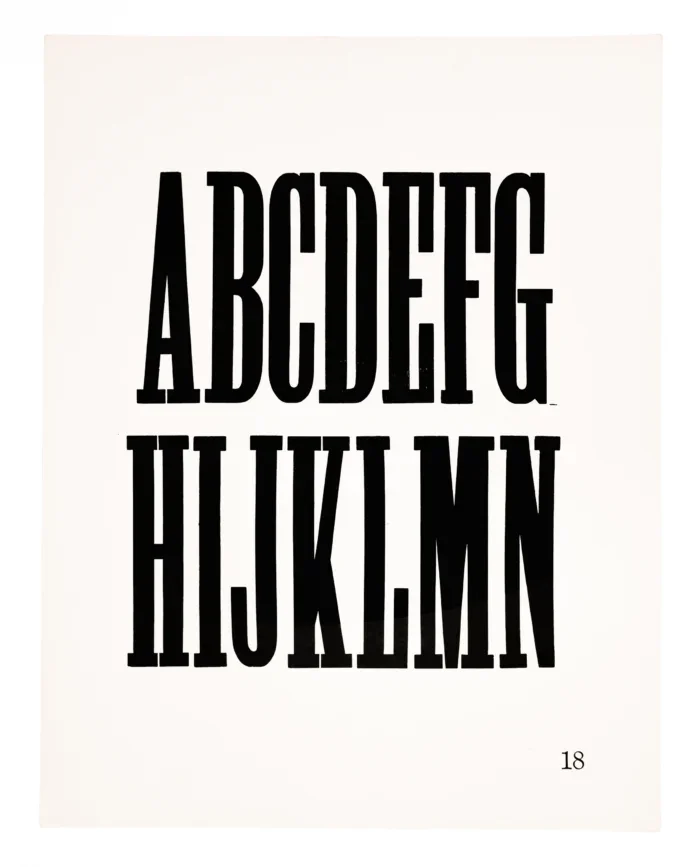
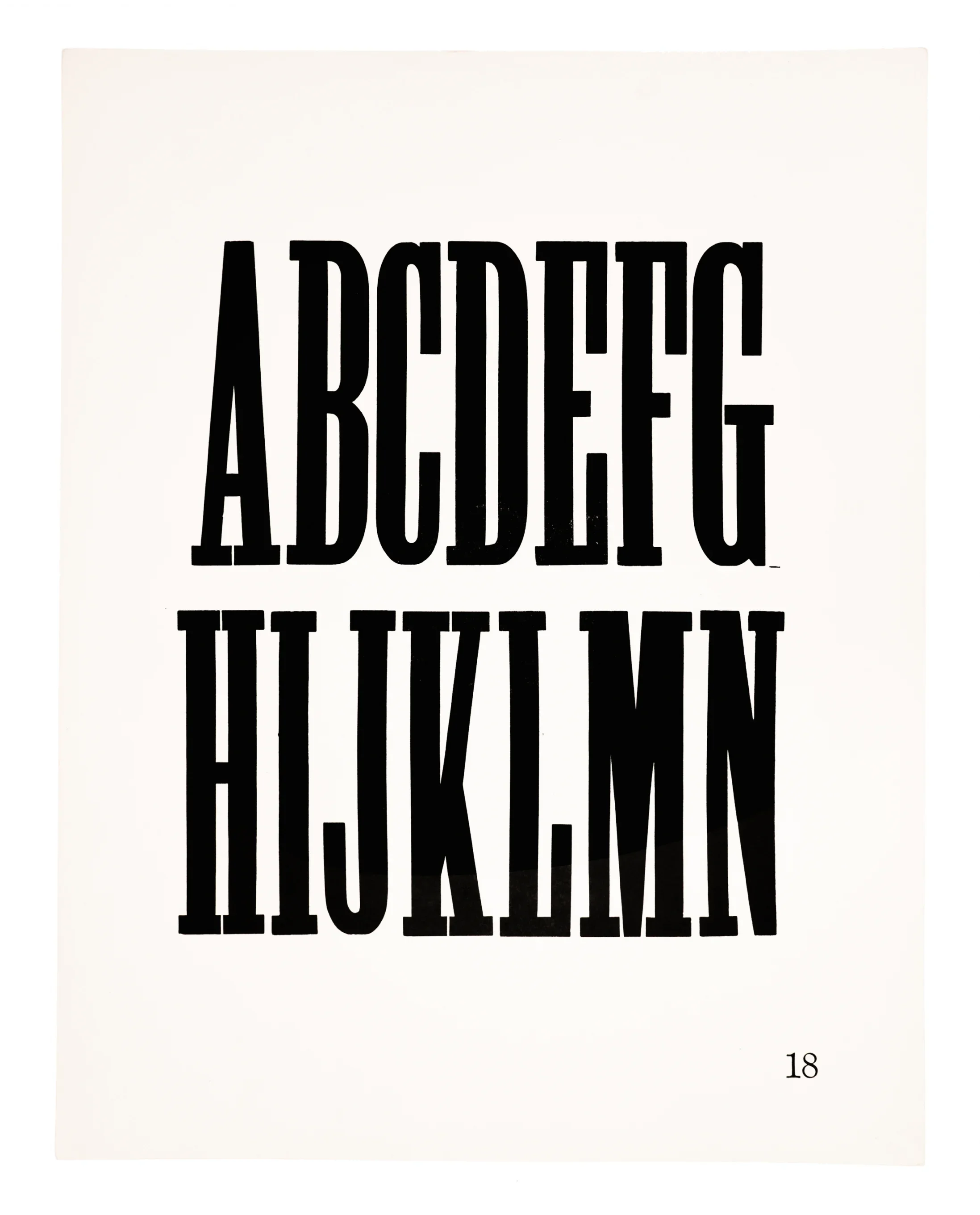
Page 18 features the first 14 letters of Antique XX Condensed (39 line). -
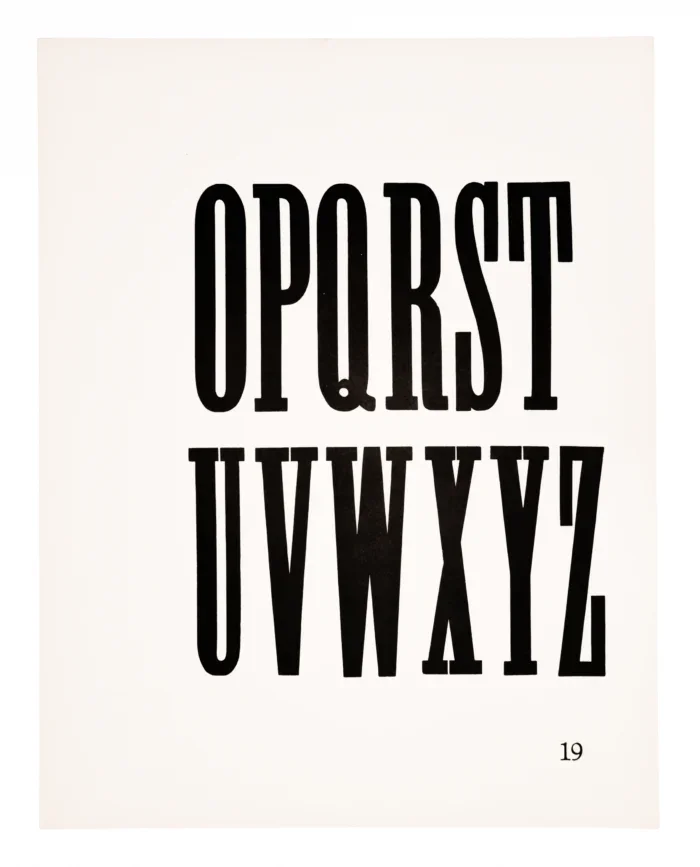
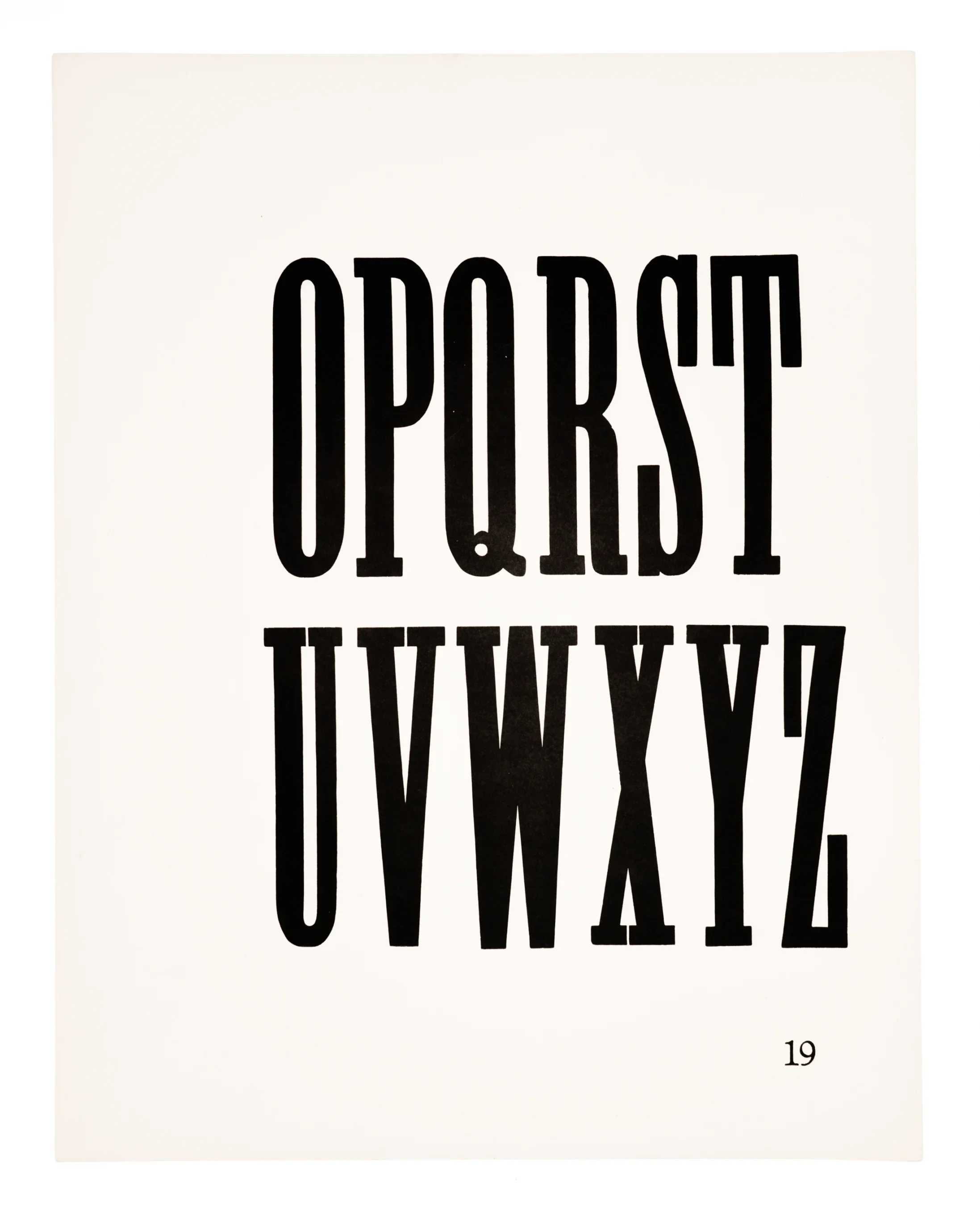
Page 19 features the last 12 letters of Antique XX Condensed (39 line). -
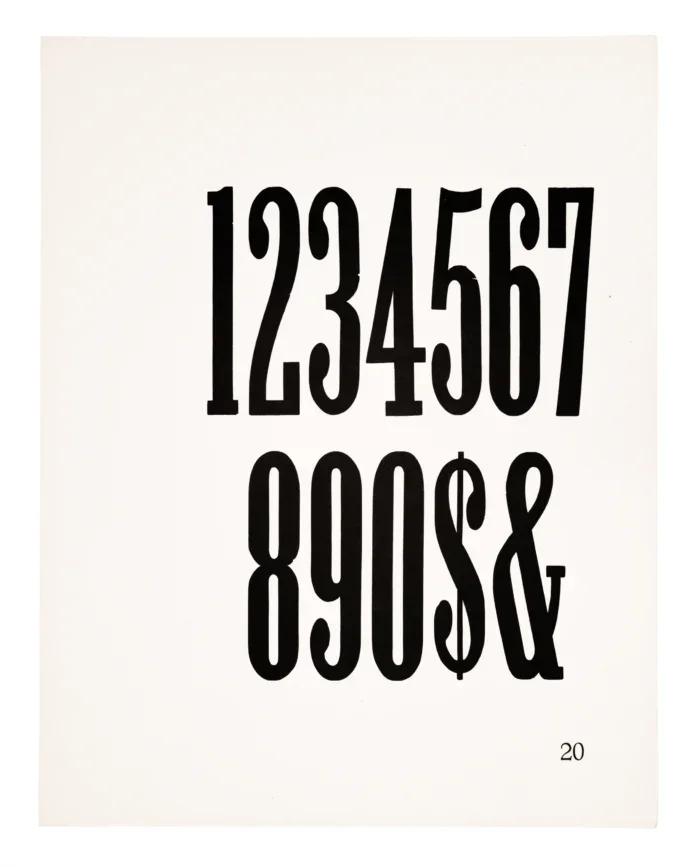
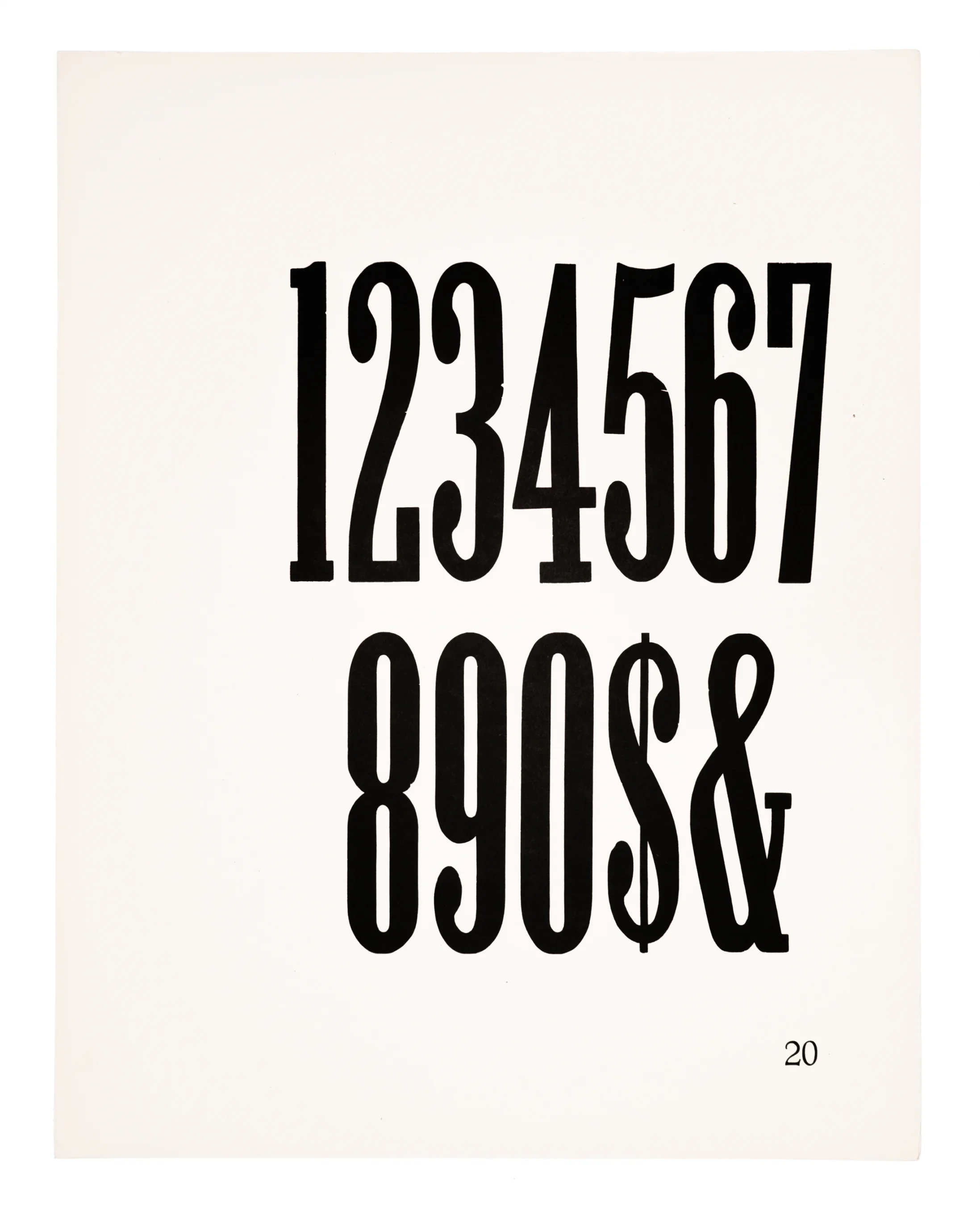
Page 20 features the numbers from Antique XX Condensed (39 line). -
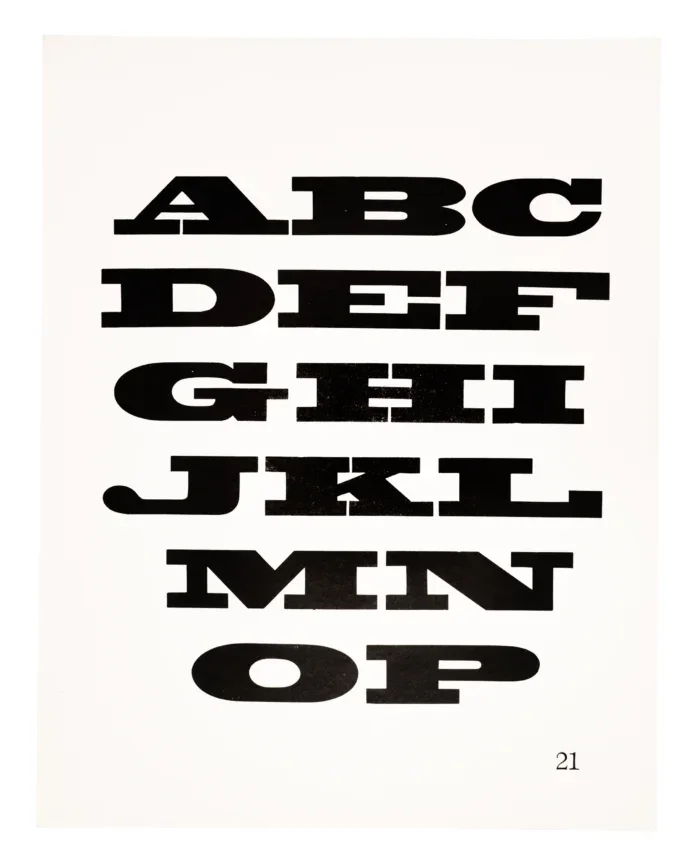
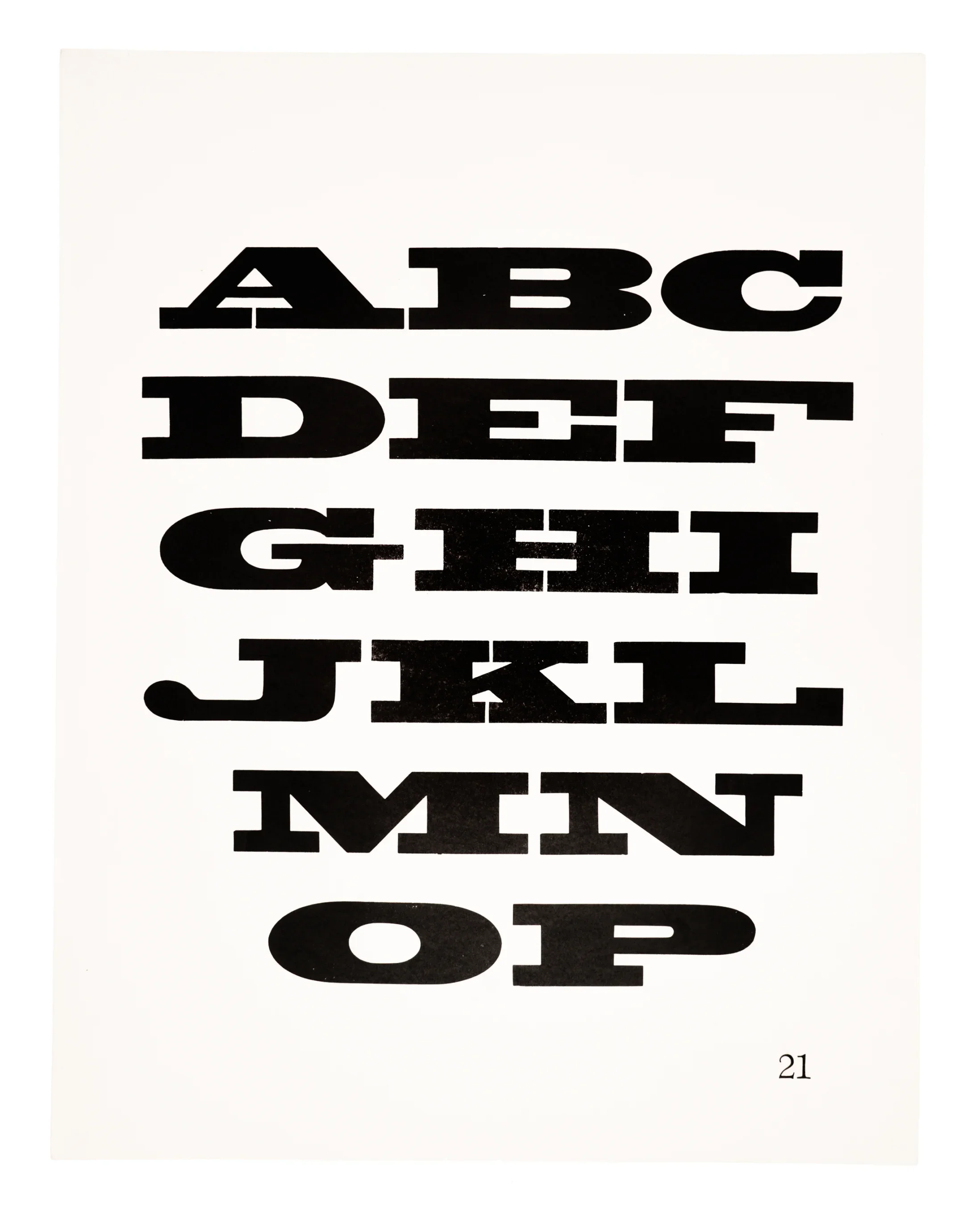
Page 21 features the first 16 letters of Antique Extended (10 line). -
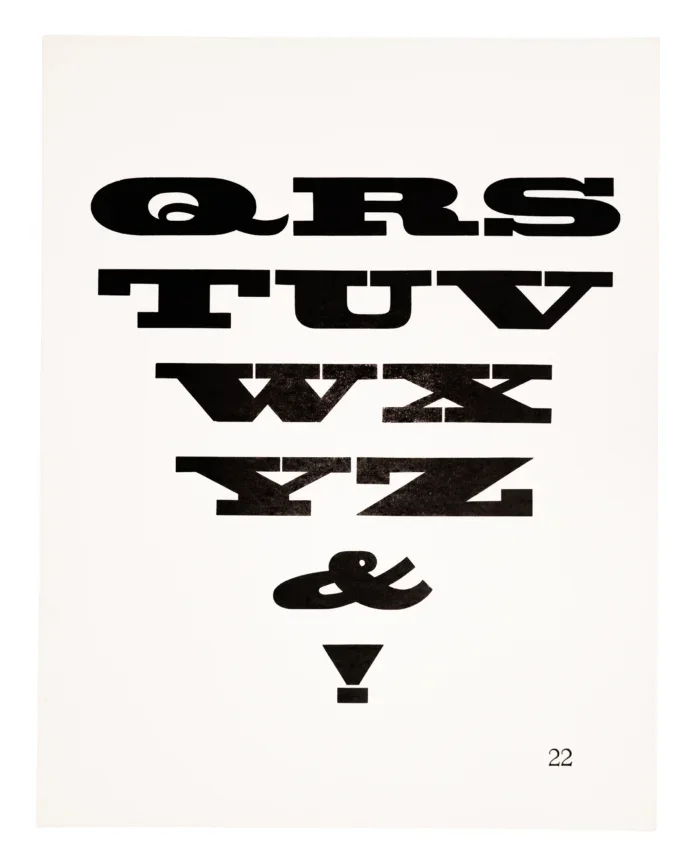
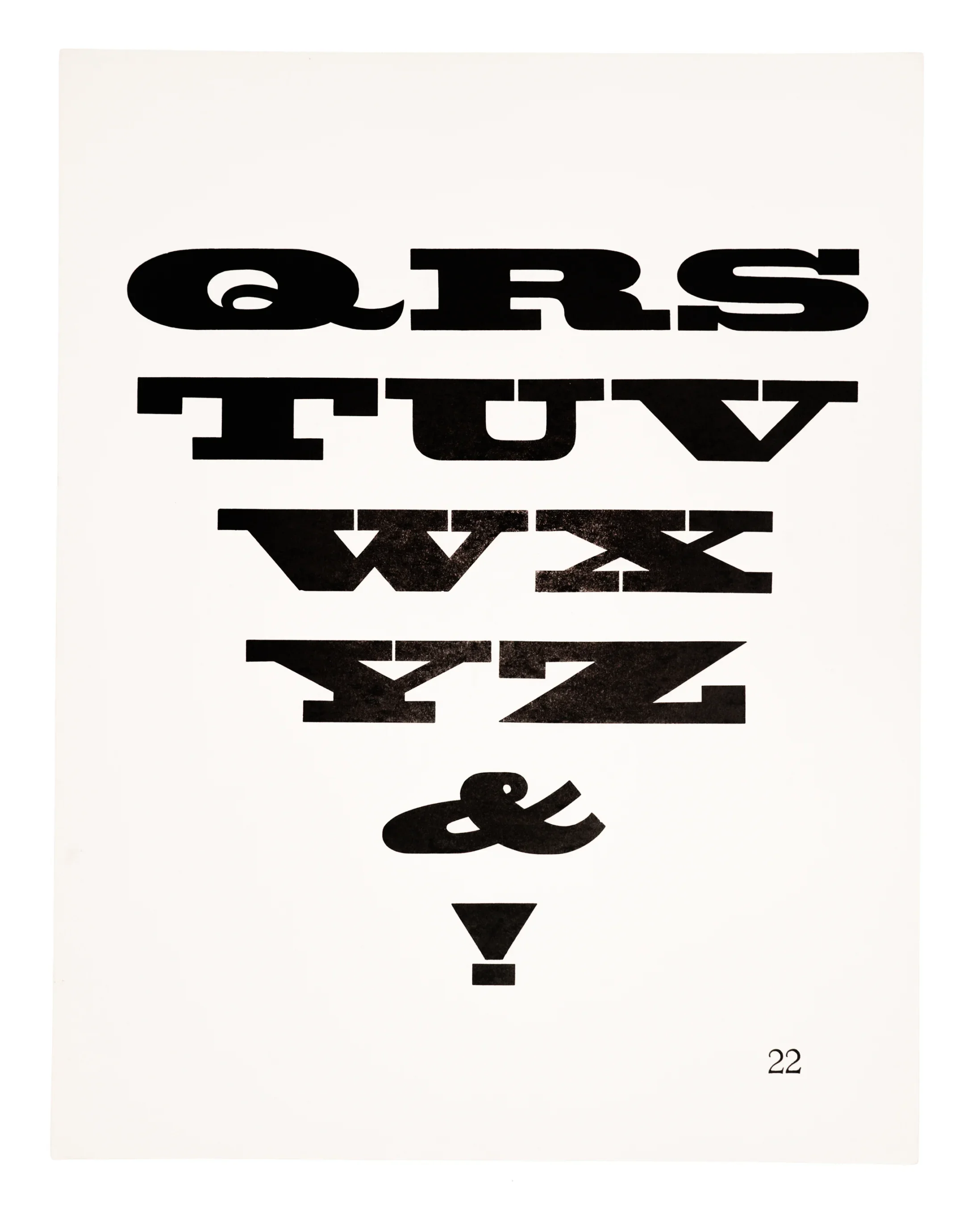
Page 22 features the last 12 characters of Antique Extended (10 line). -
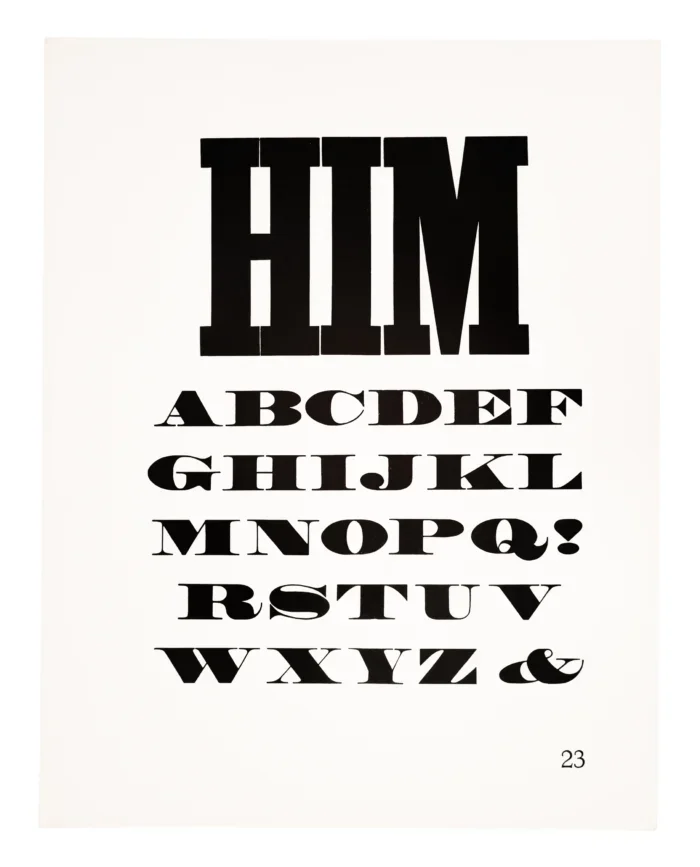
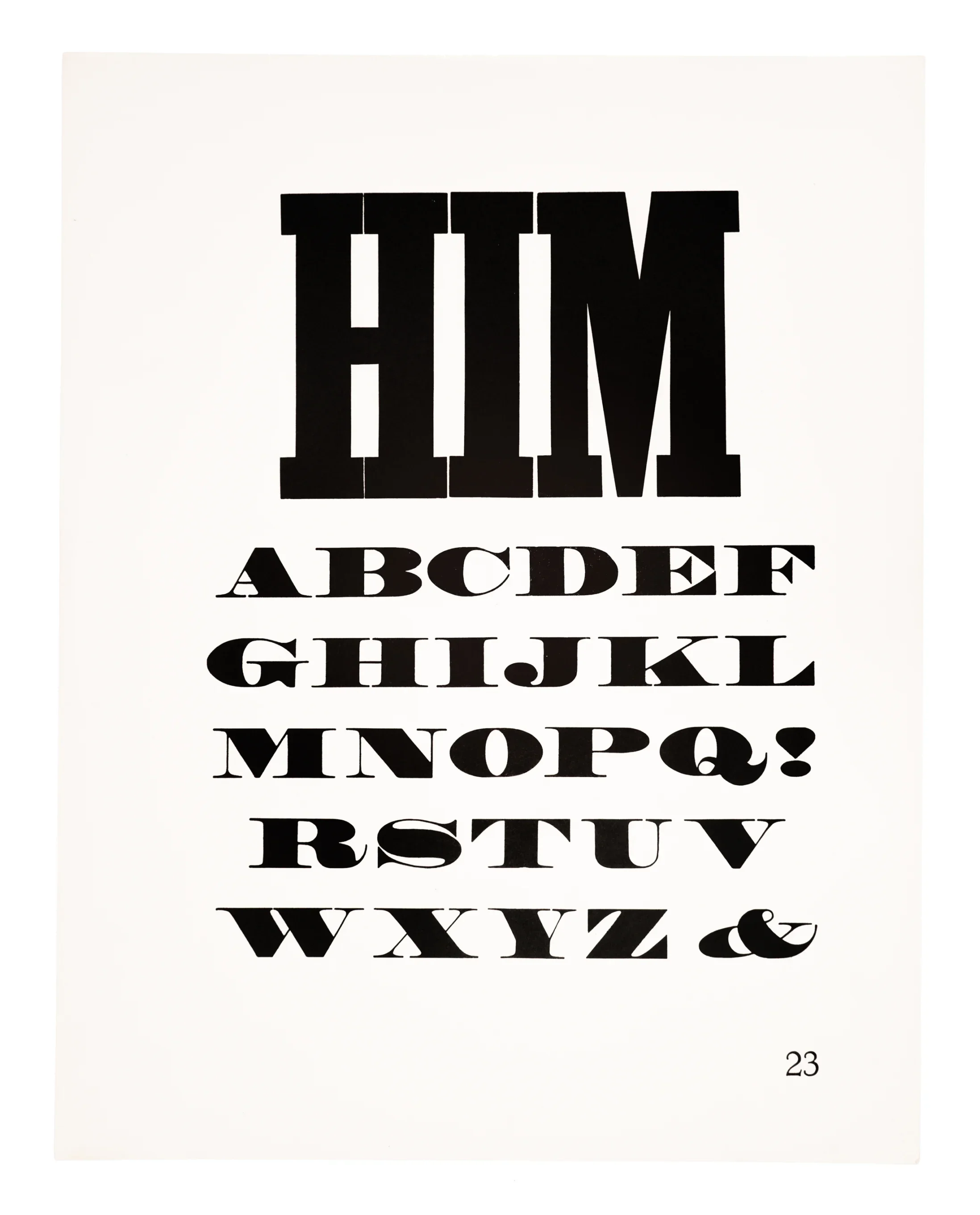
Page 23 features Antique Extended (10 line) and “HIM” set in Antique X Condensed, which is missing from the collection. -
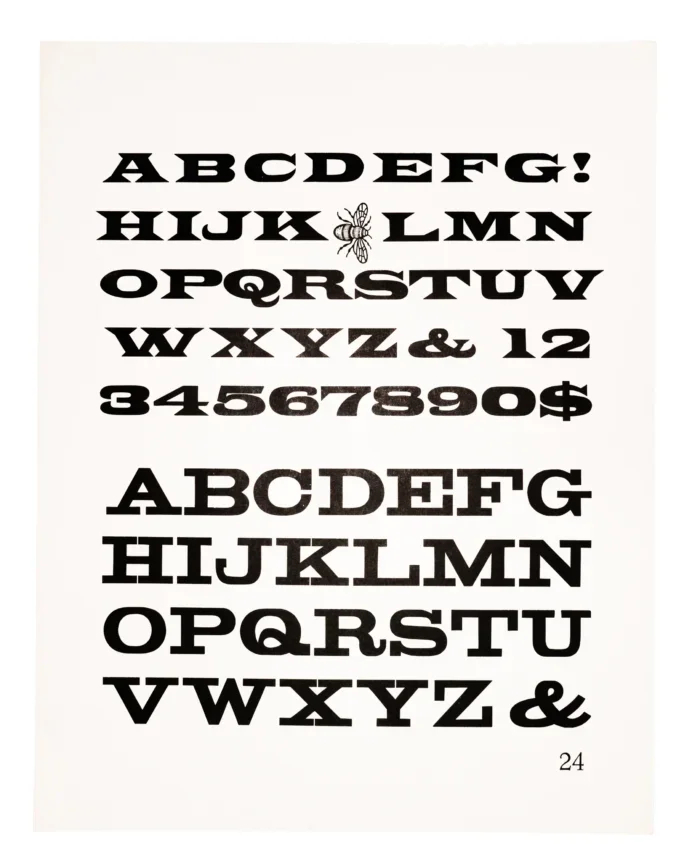
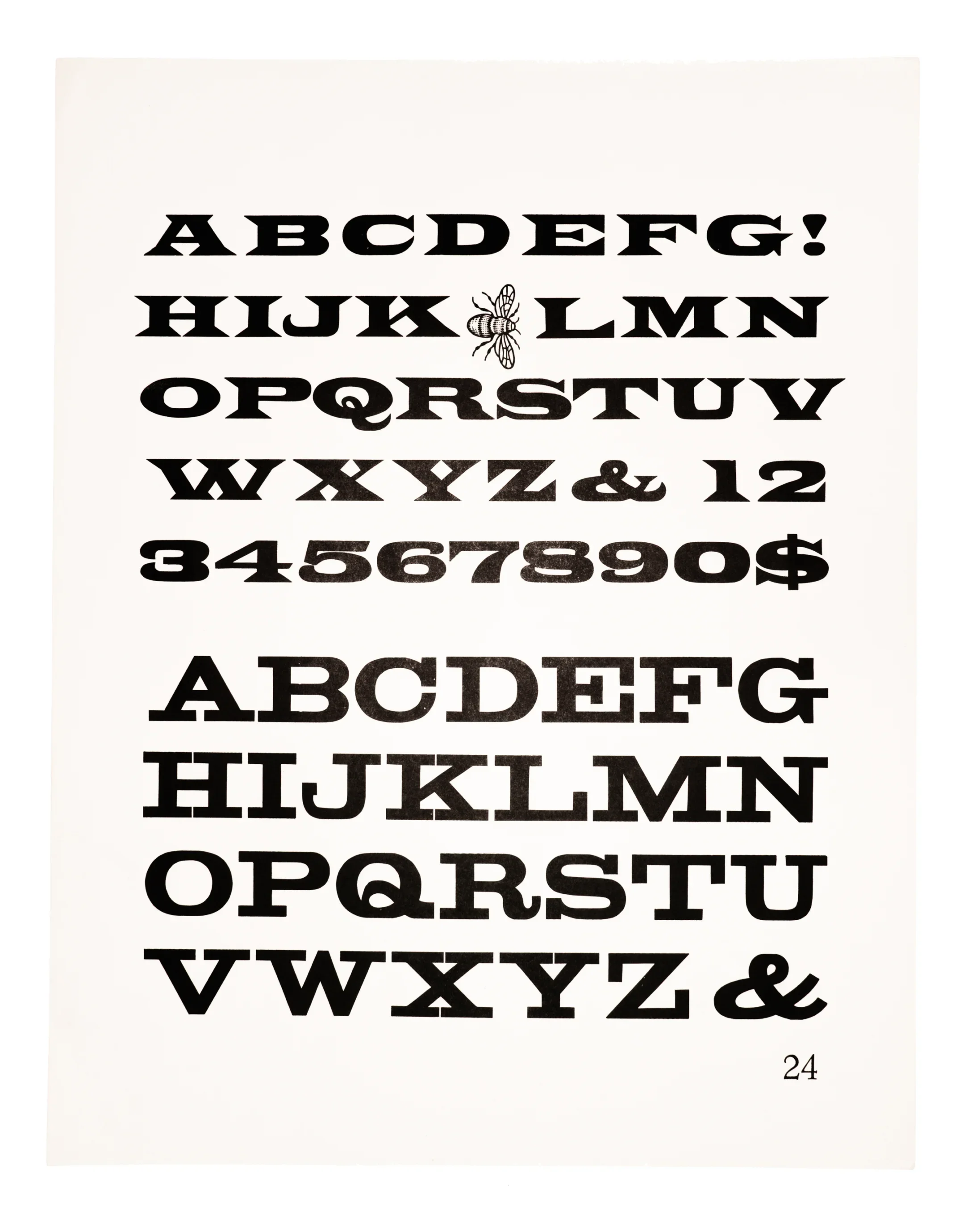
Page 24 features Latin Extended (5 line) and Antique Light Face Extended (8 line). -
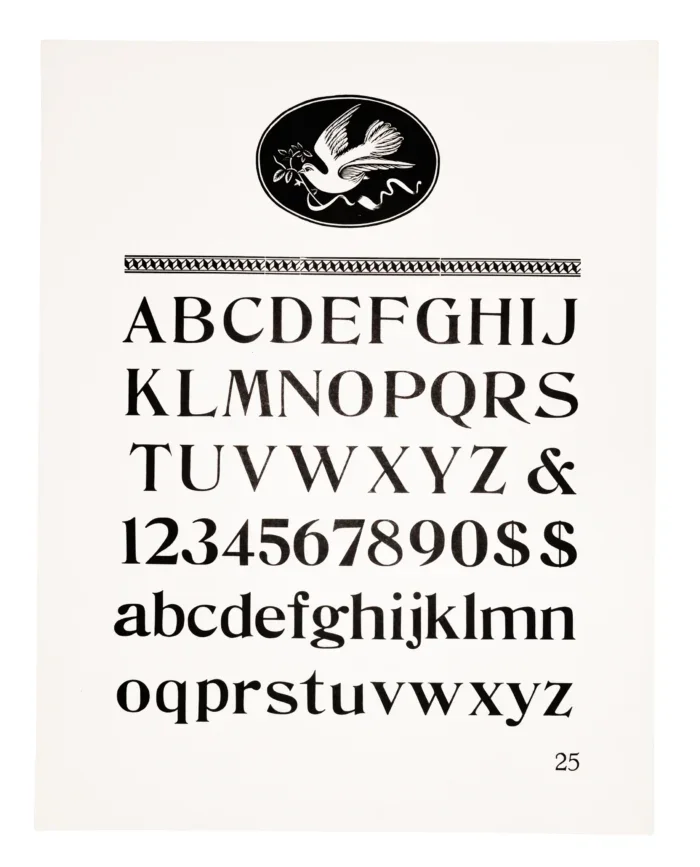
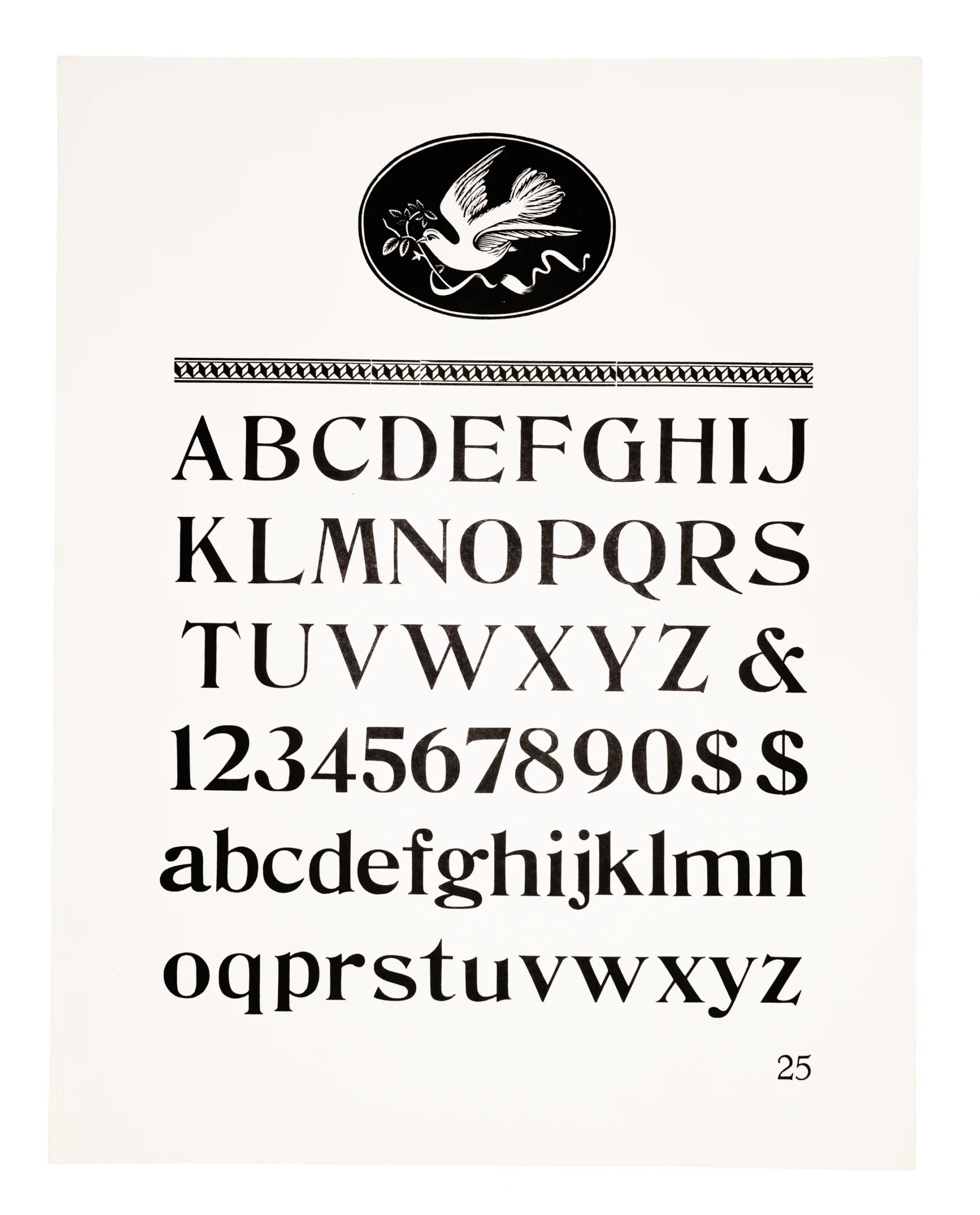
Page 25 features De Vinne (8 line). -
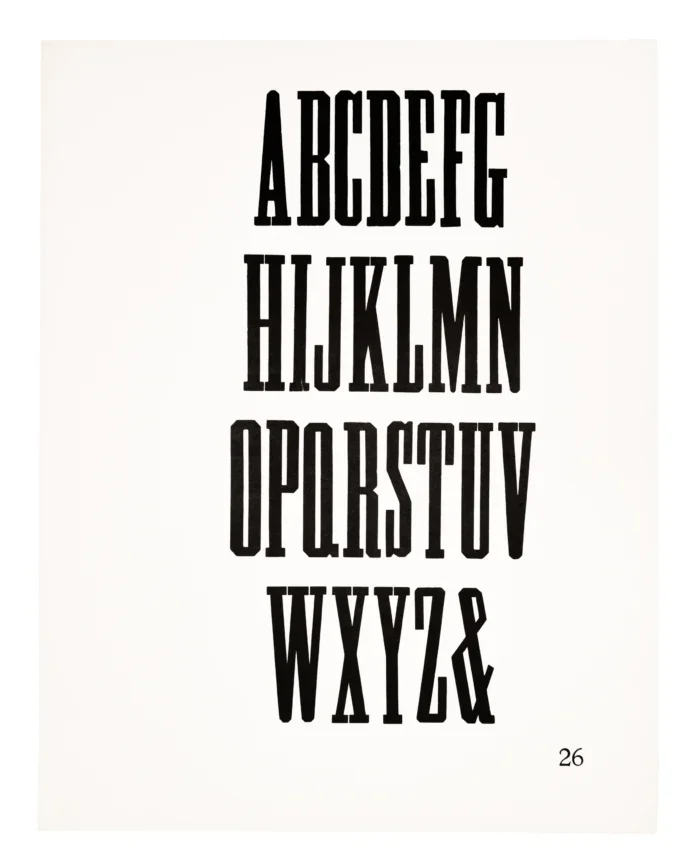
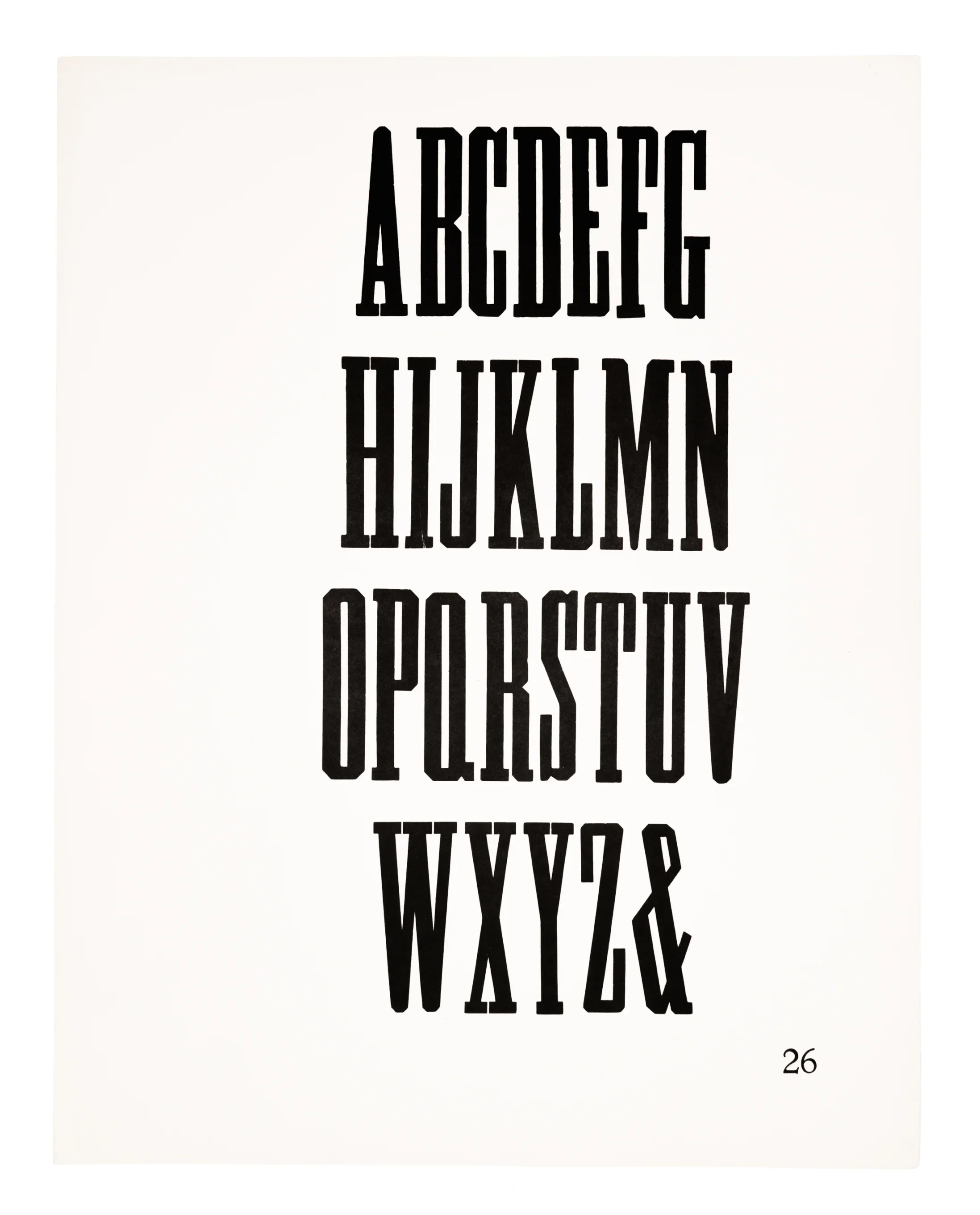
Page 26 features Grecian XX Condensed (23 line). -
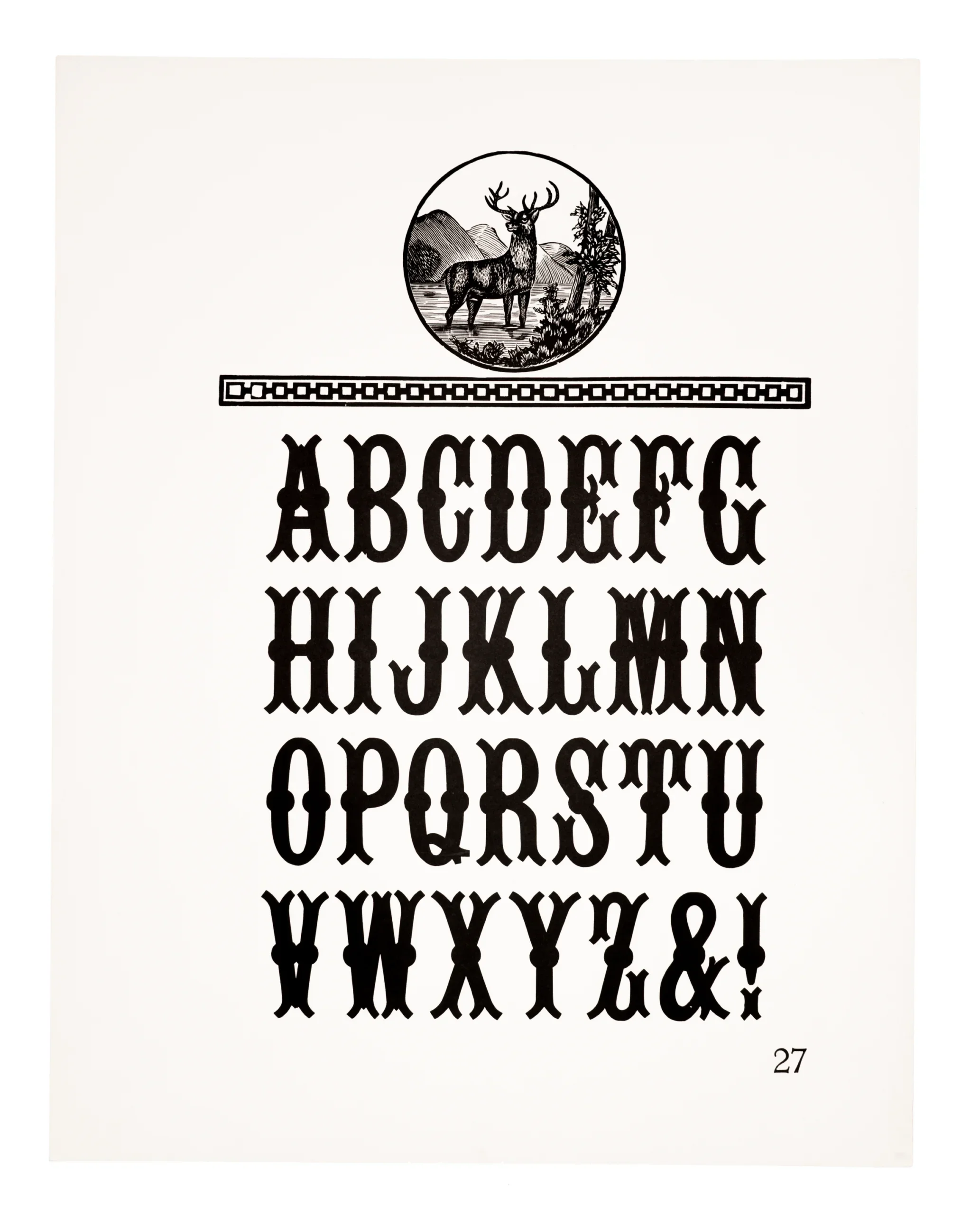
Page 27 features Kurilian (16 line). -
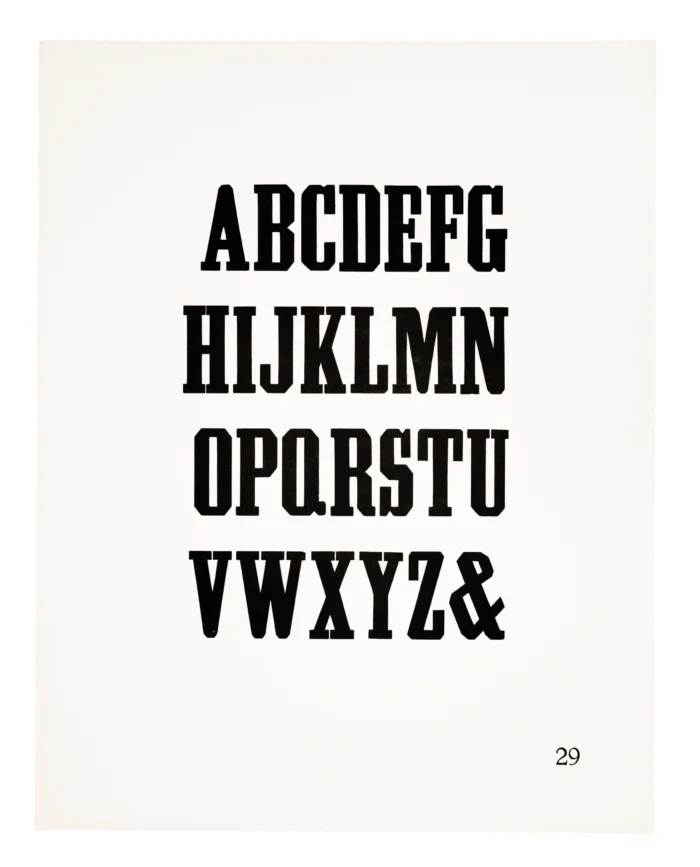
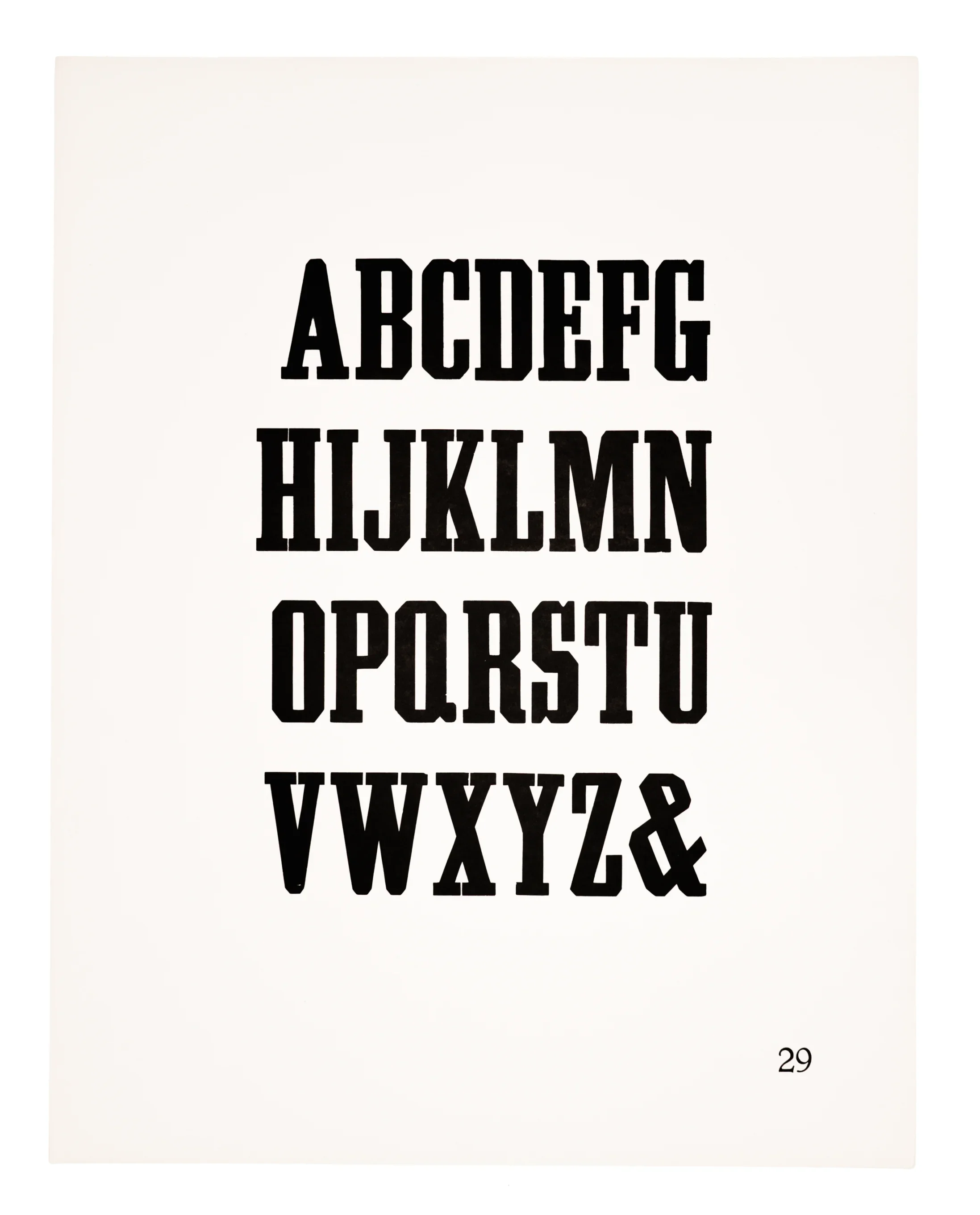
Page 29 features Grecian Condensed (15 line). -
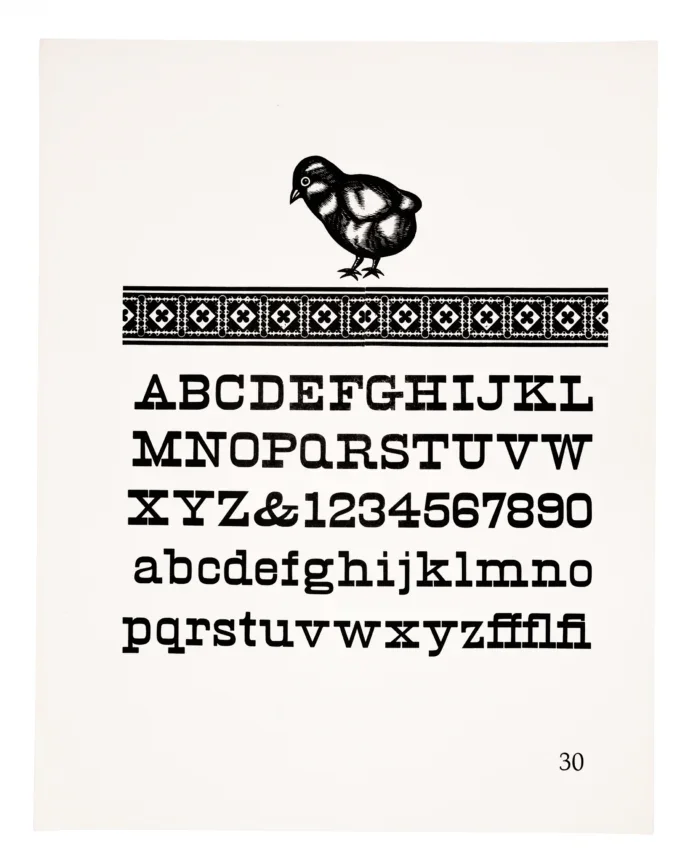
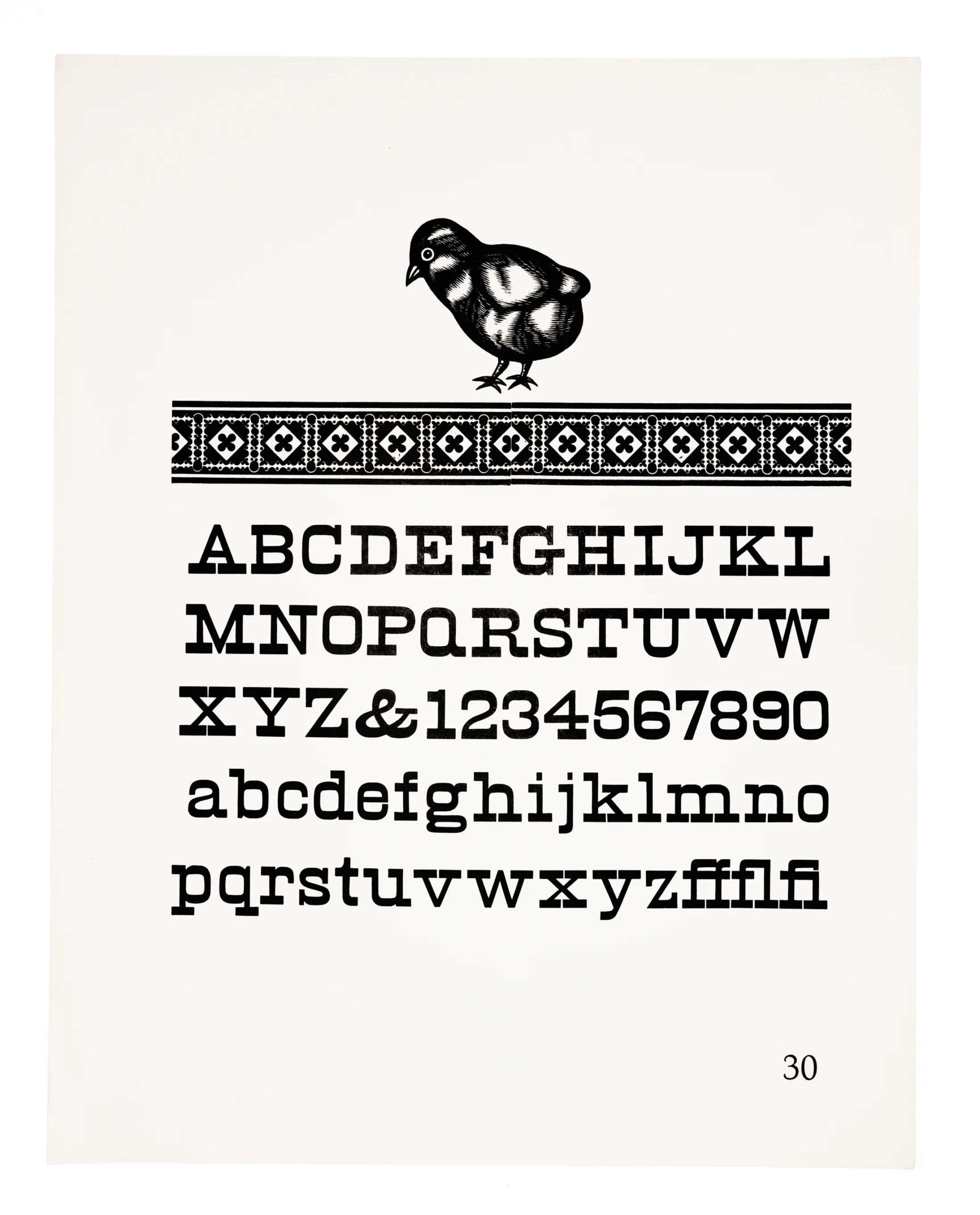
Page 30 features Egyptian No. 2 (6 line). -
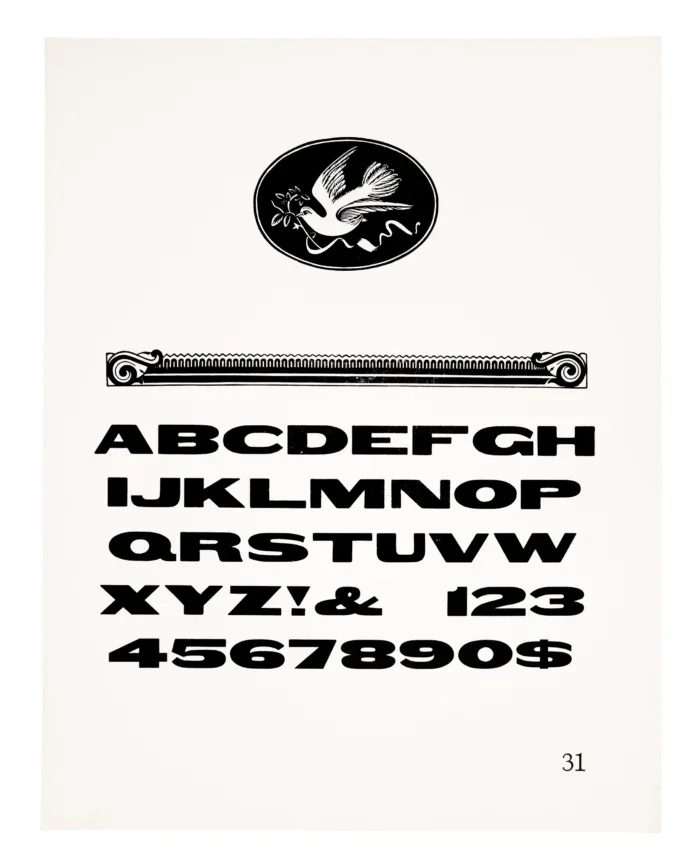
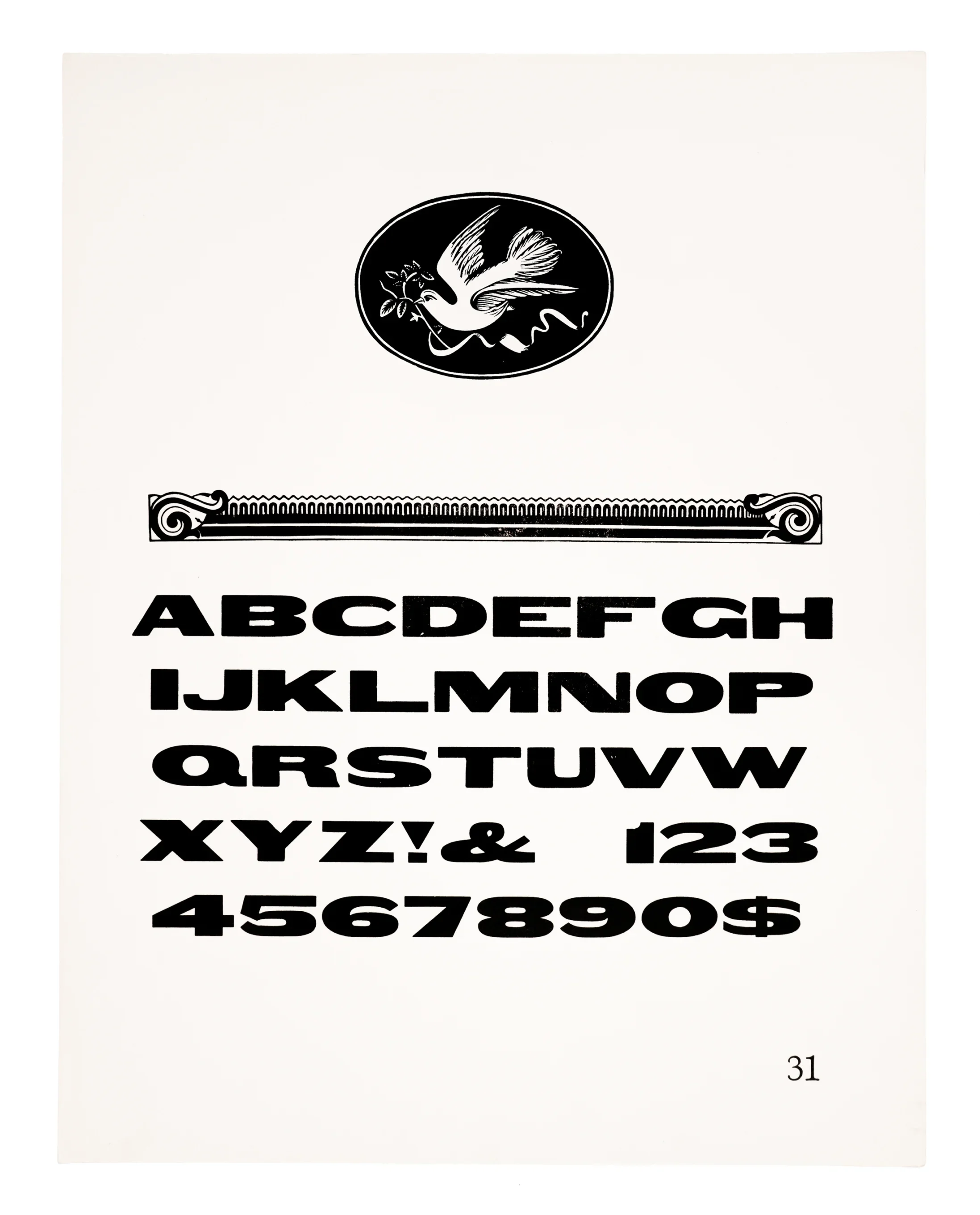
Page 31 features Gothic Extended (5 line). -
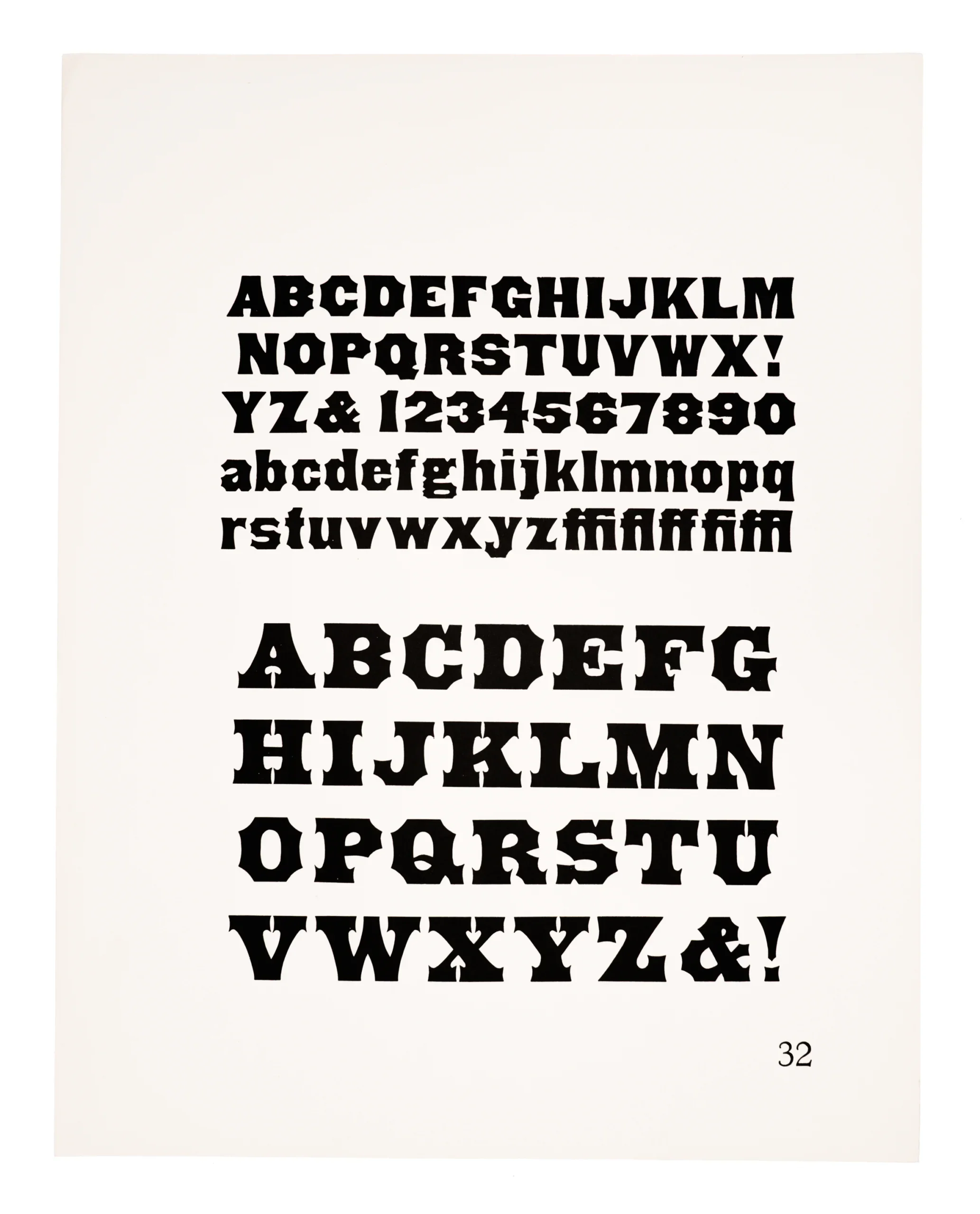
Page 32 features Gothic Tuscan (5 line) and Antique Tuscan (8 line). -
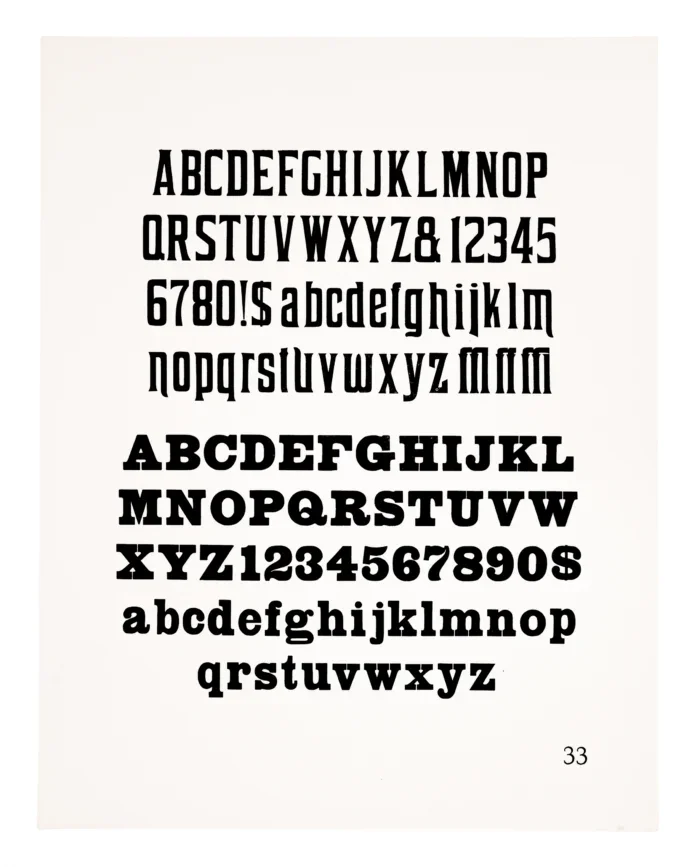
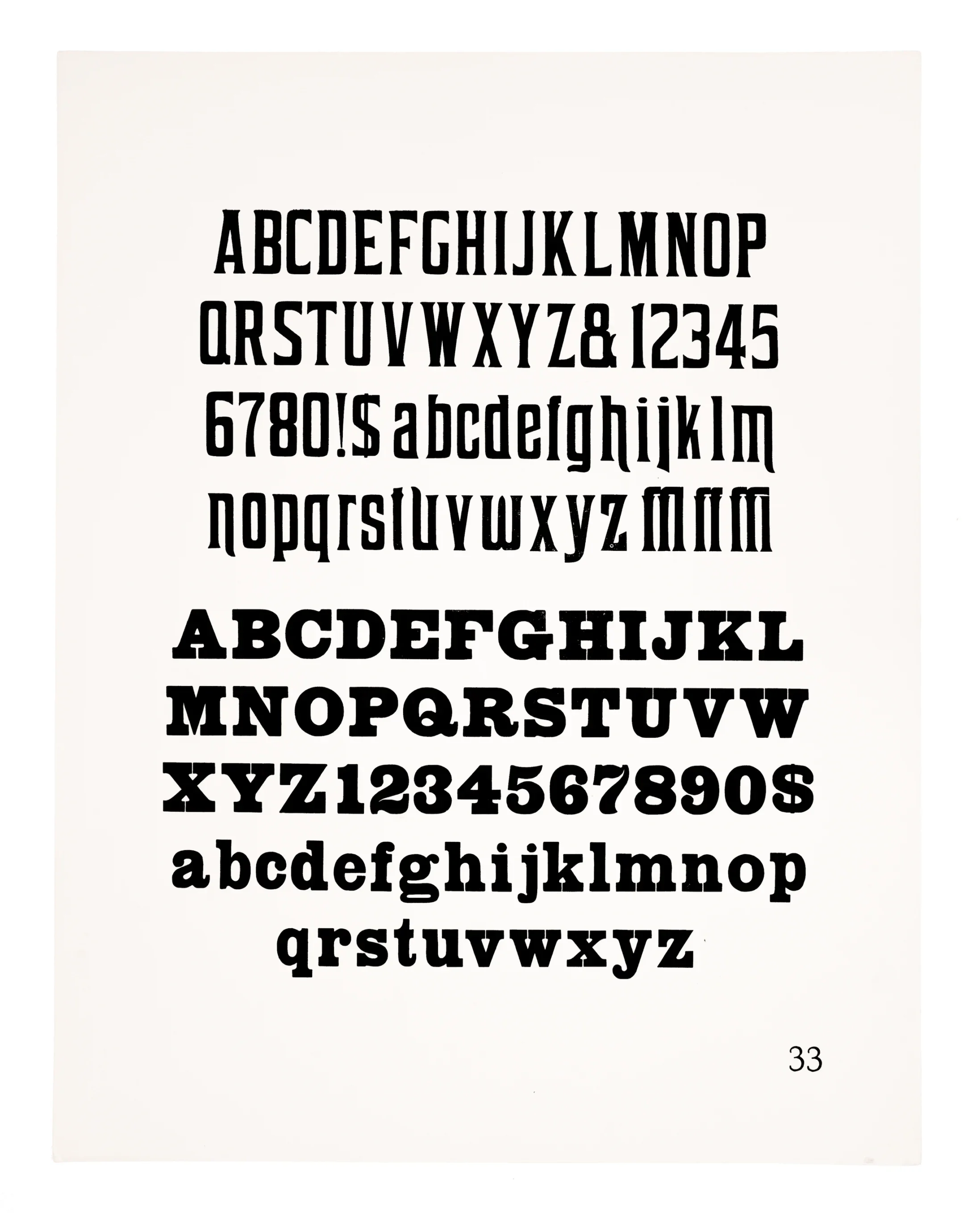
Page 33 features Teniers (8 line) and Colombian (6 line). -
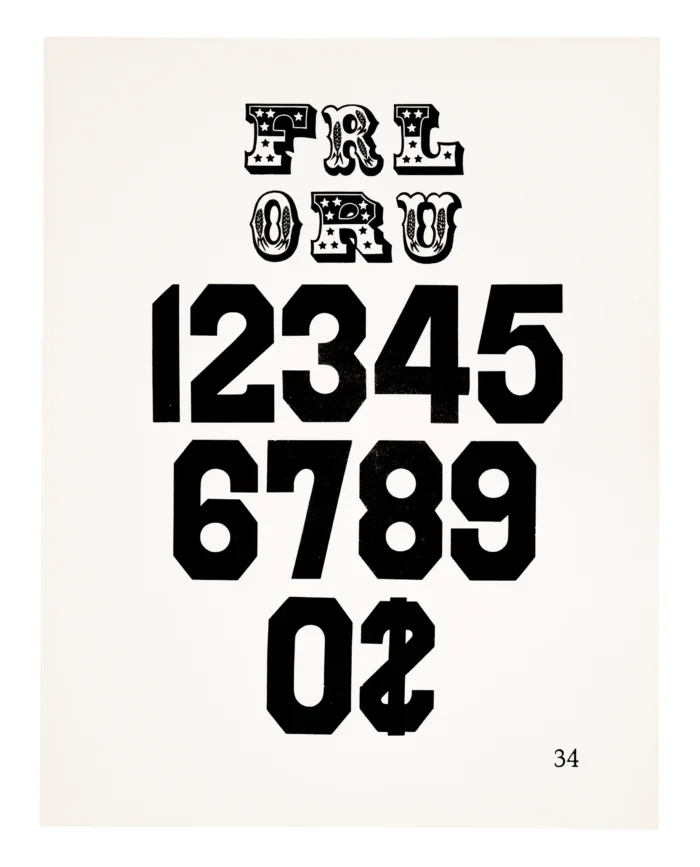
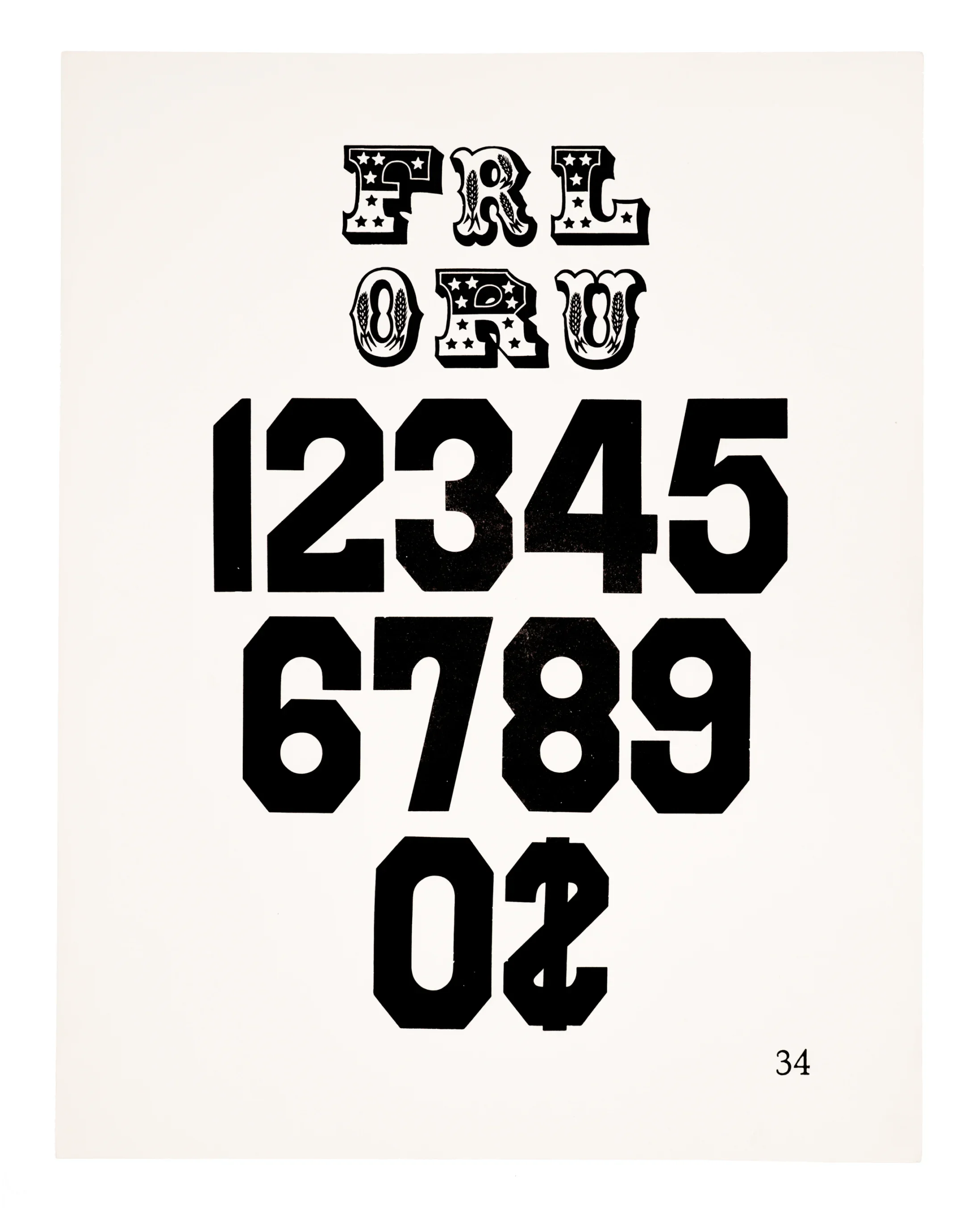
Page 34 features No. 133 (24 line). -
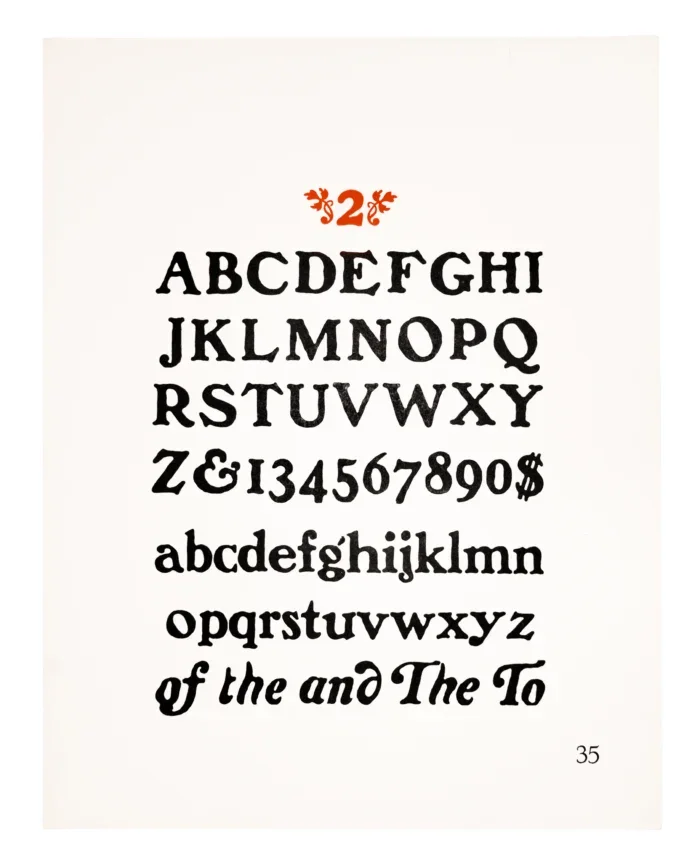
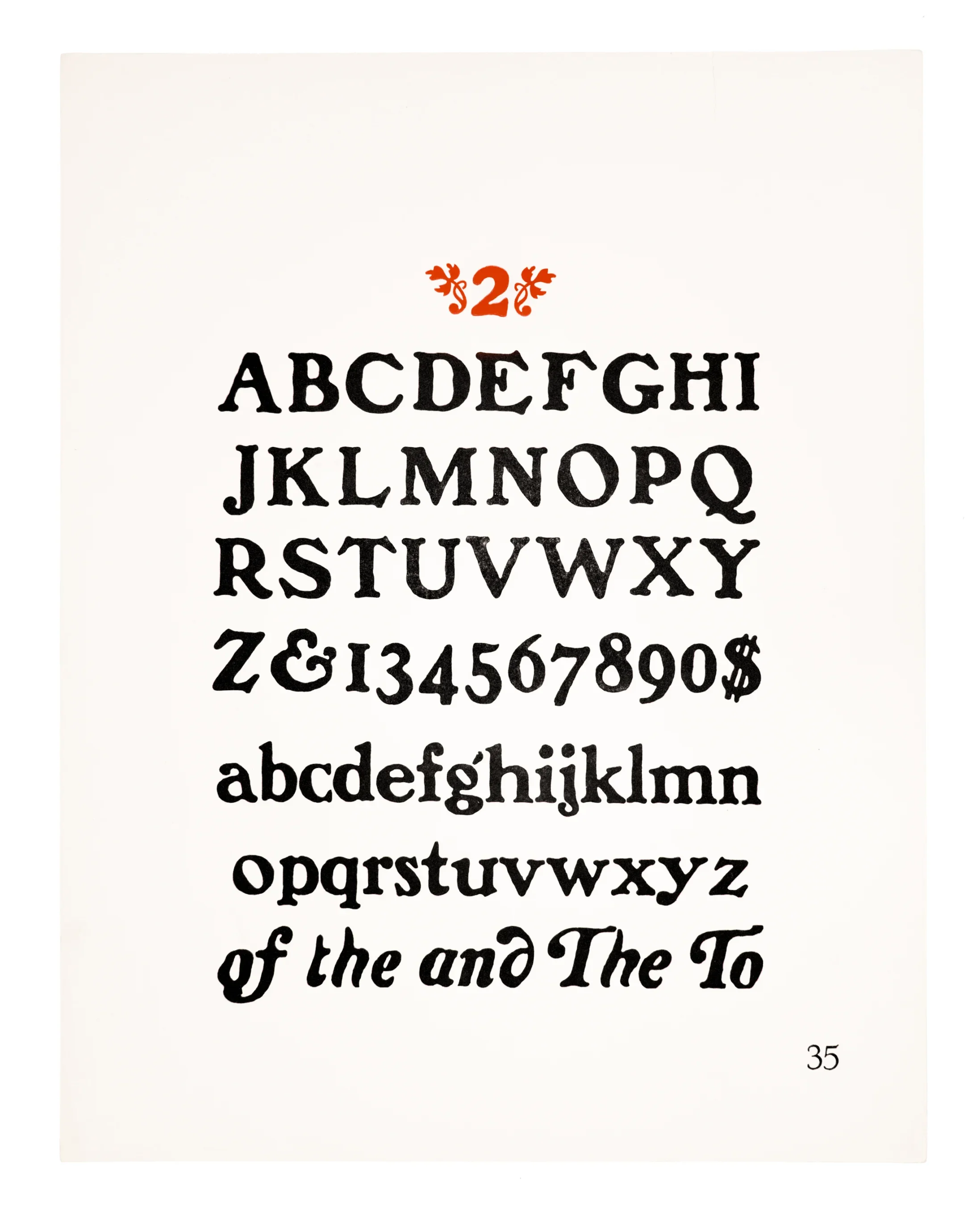
Page 35 features Ben Franklin (8 line). -
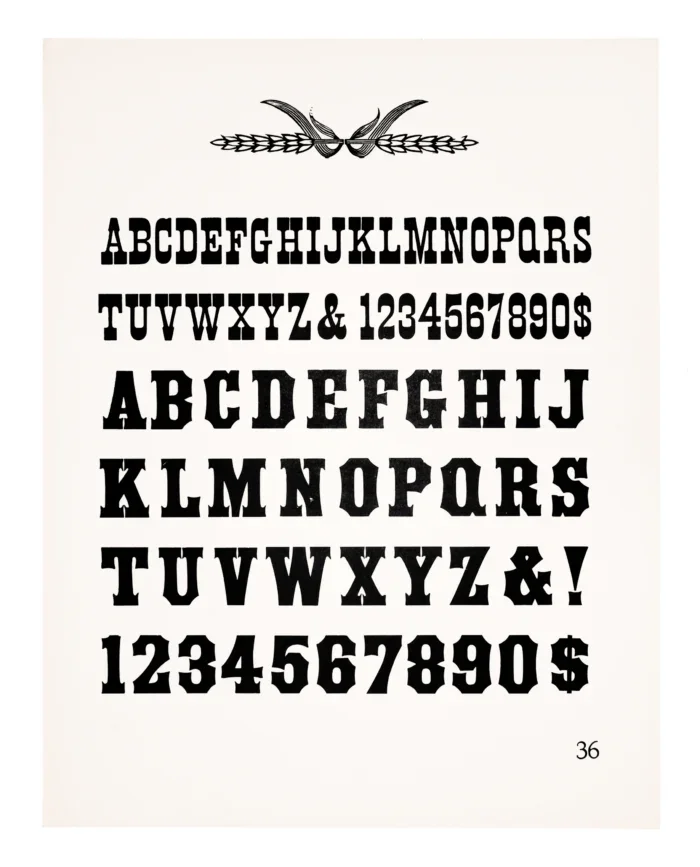
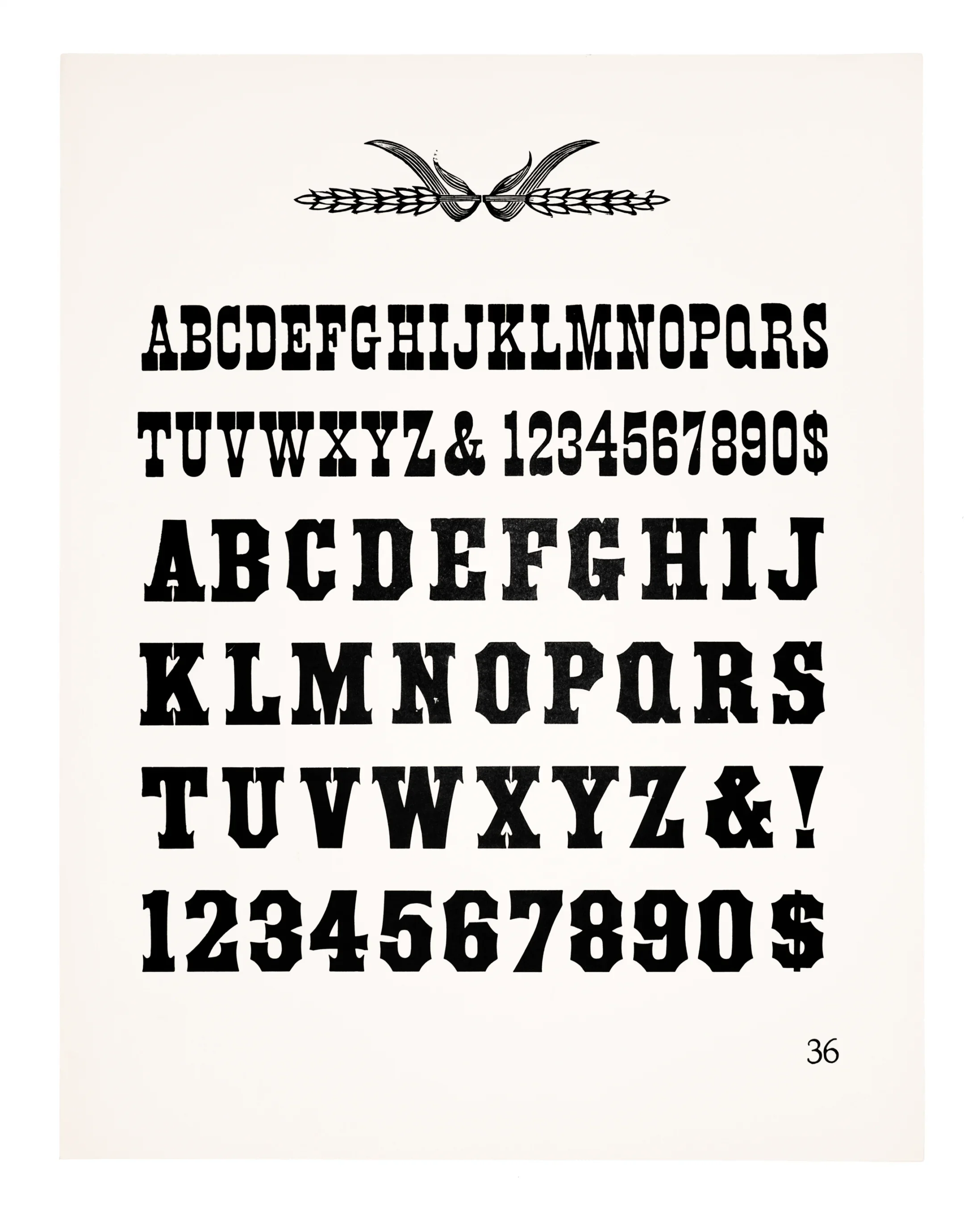
Page 36 features French Clarendon No. 2 (8 line) and Antique Tuscan X Condensed (10 line). -
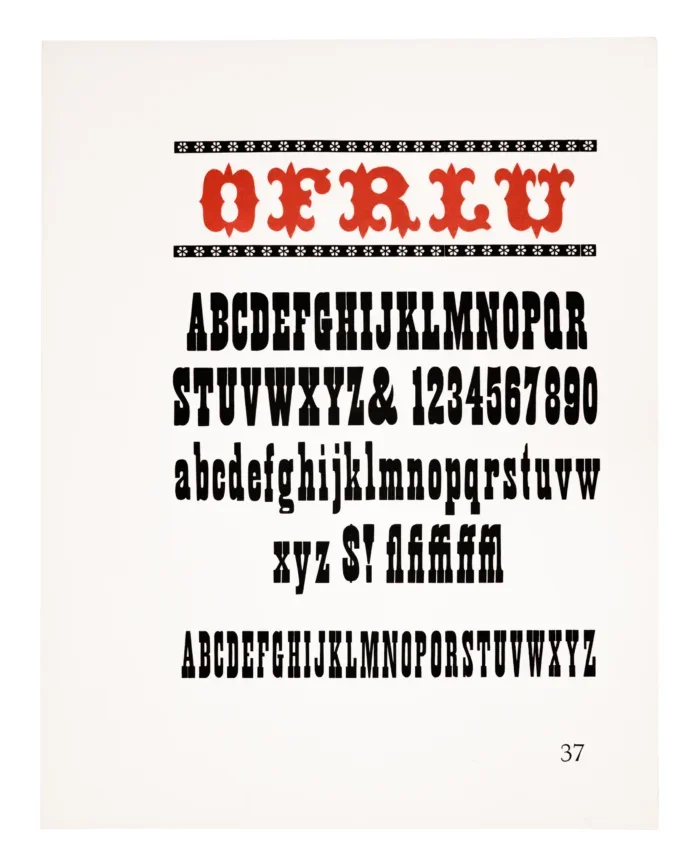
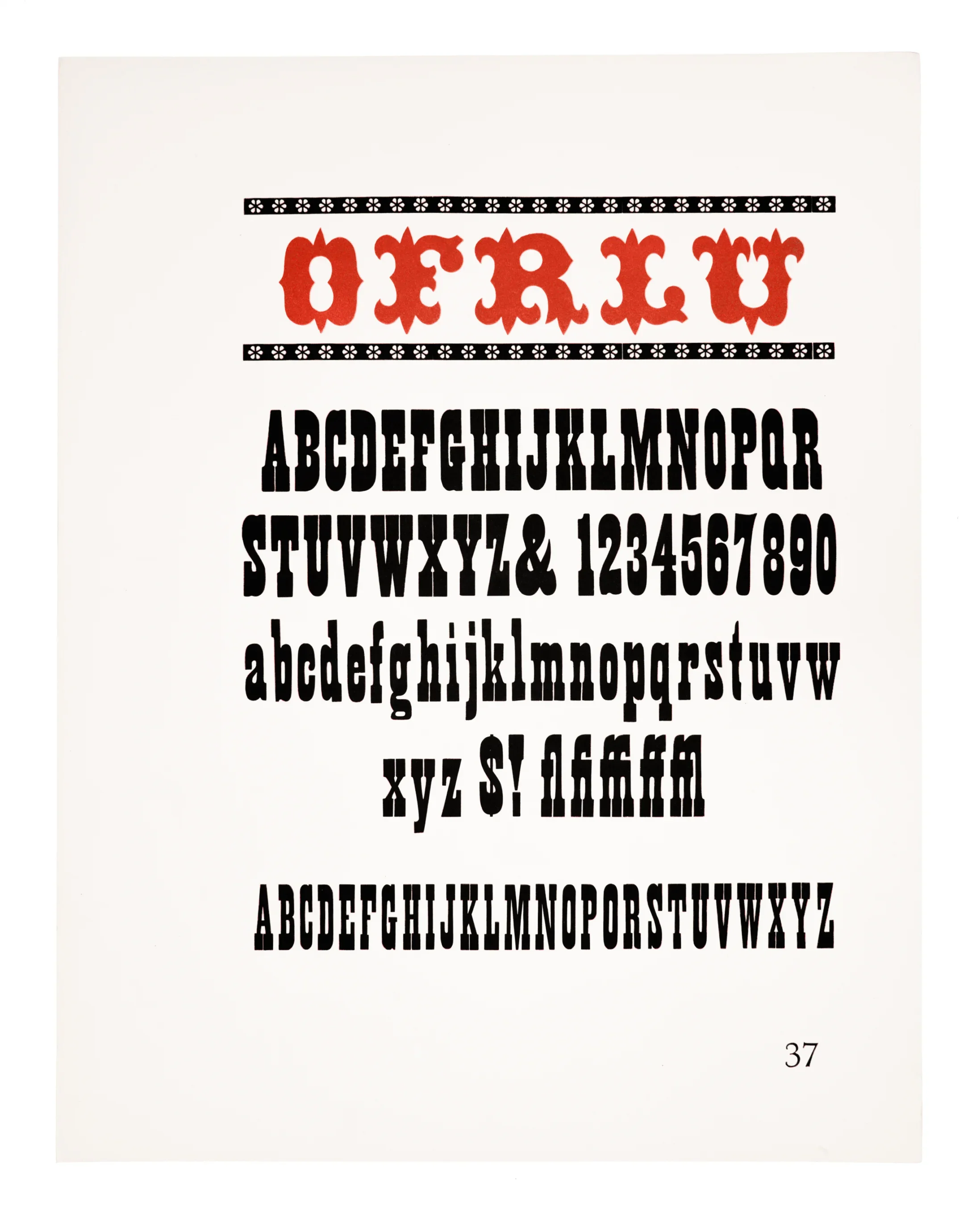
Page 37 features French Clarendon (10 line) and French Antique No. 1 (8 line). -
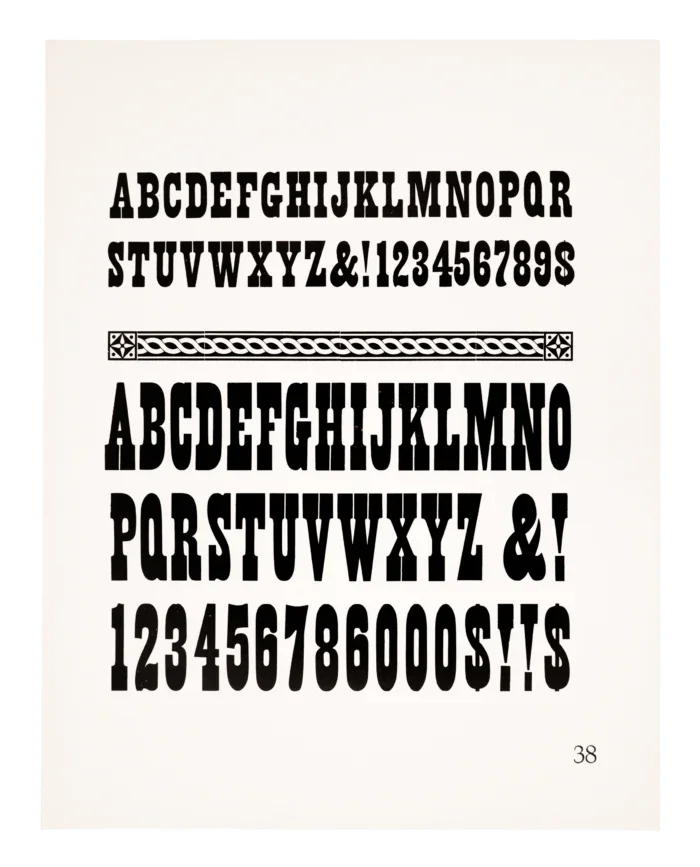
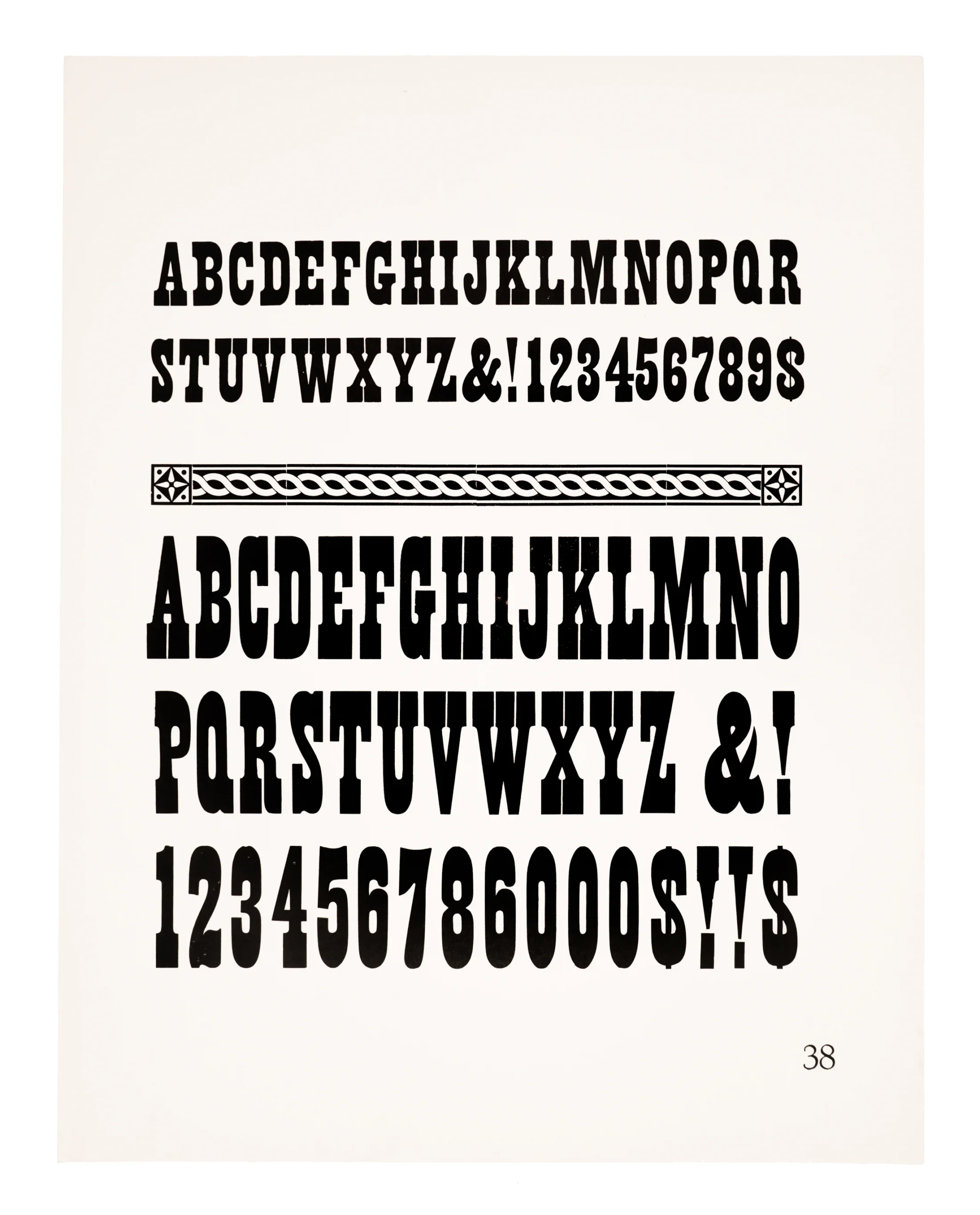
Page 38 features French Clarendon (15 line) and Clarendon No. 1 (8 line). -
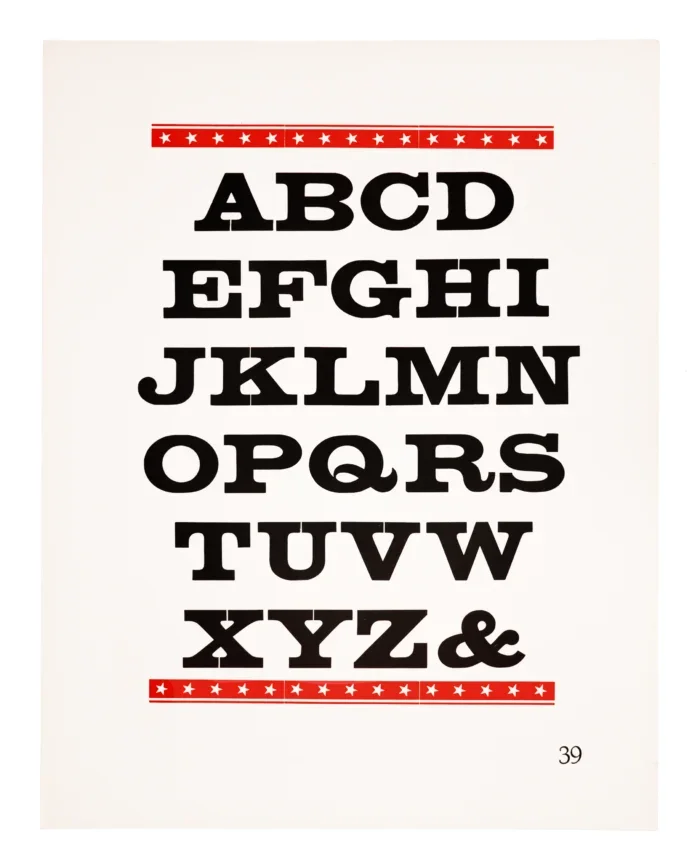
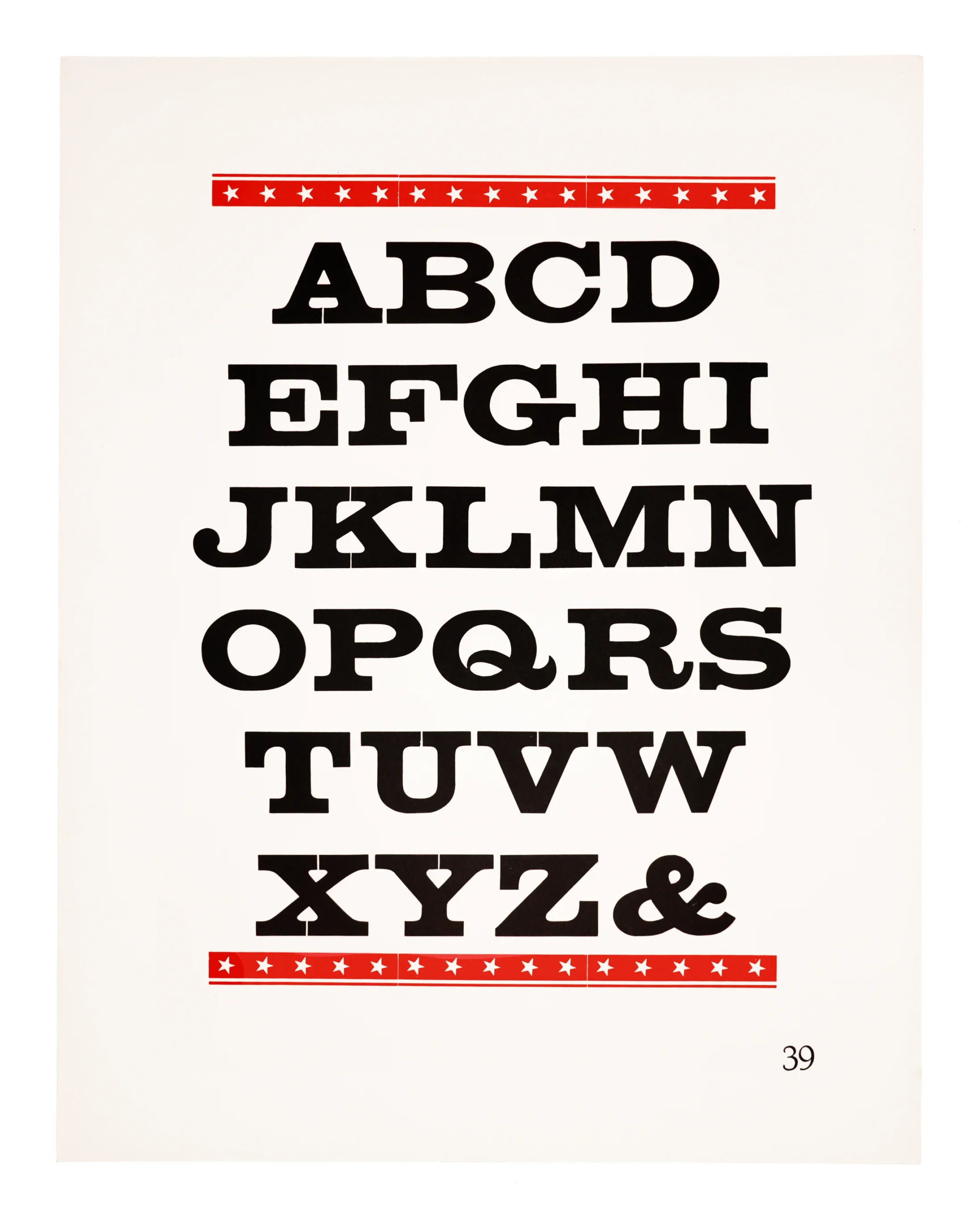
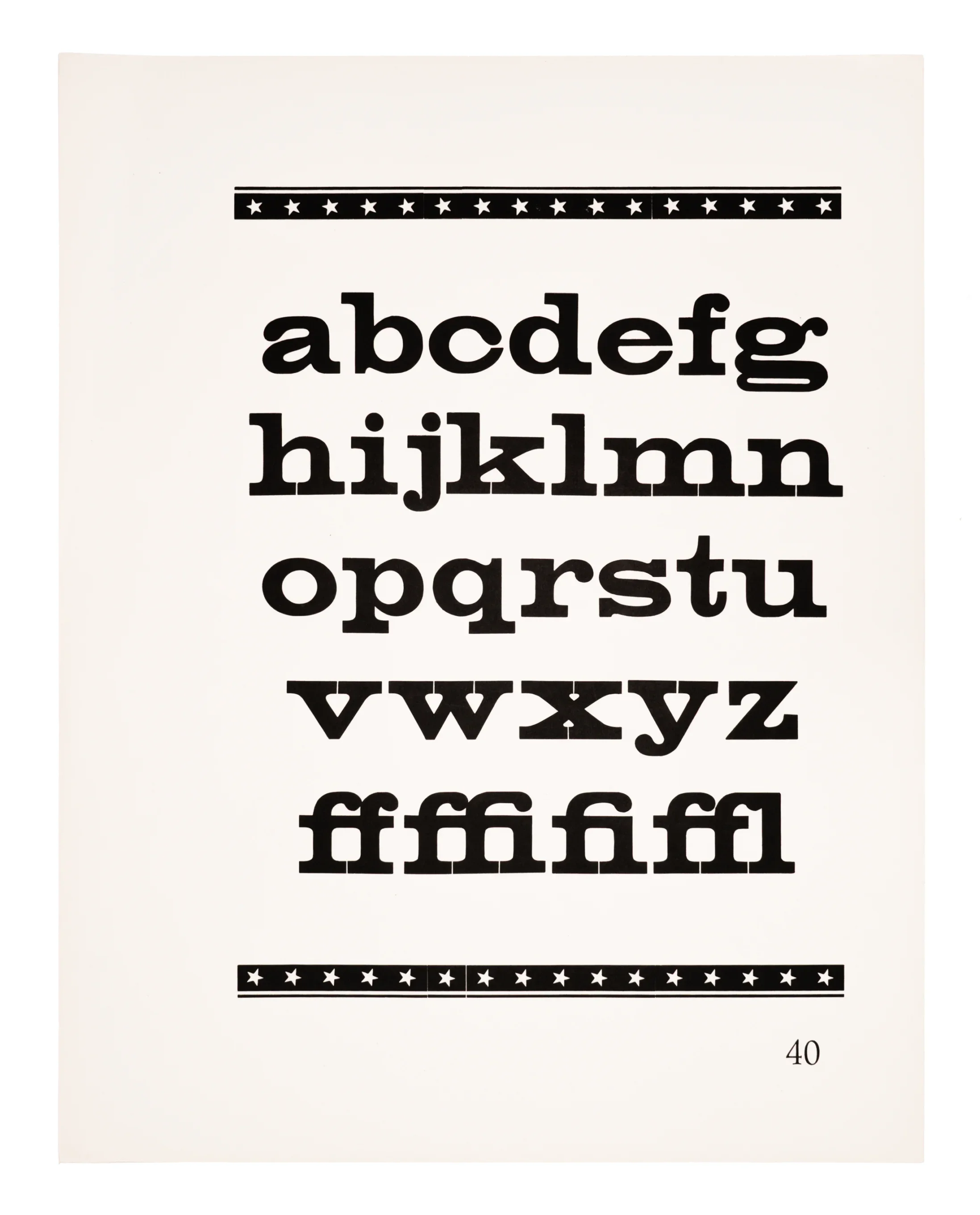
Page 39 features Clarendon Extended (10 line). -
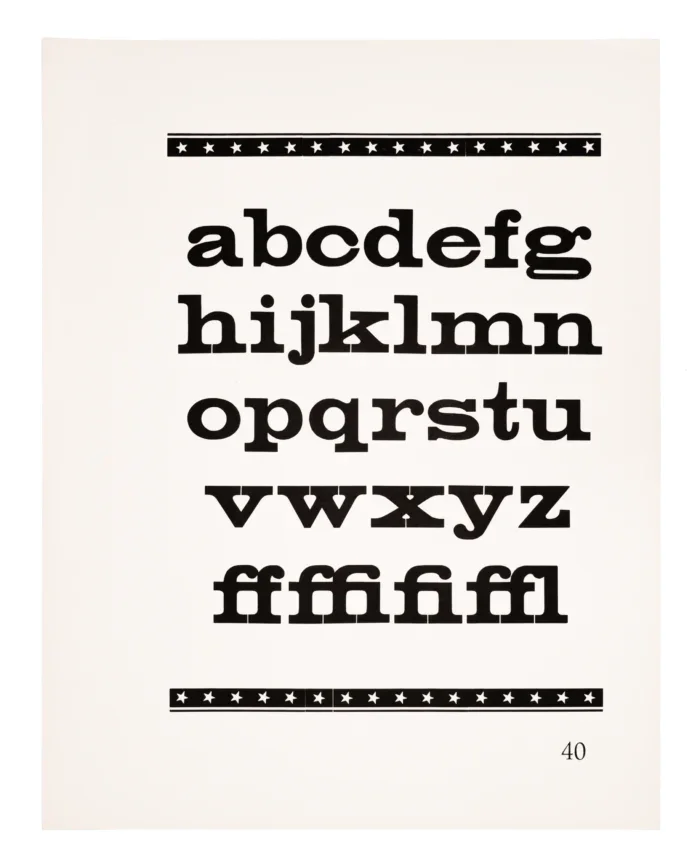
Page 40 features Clarendon Extended (10 line). -
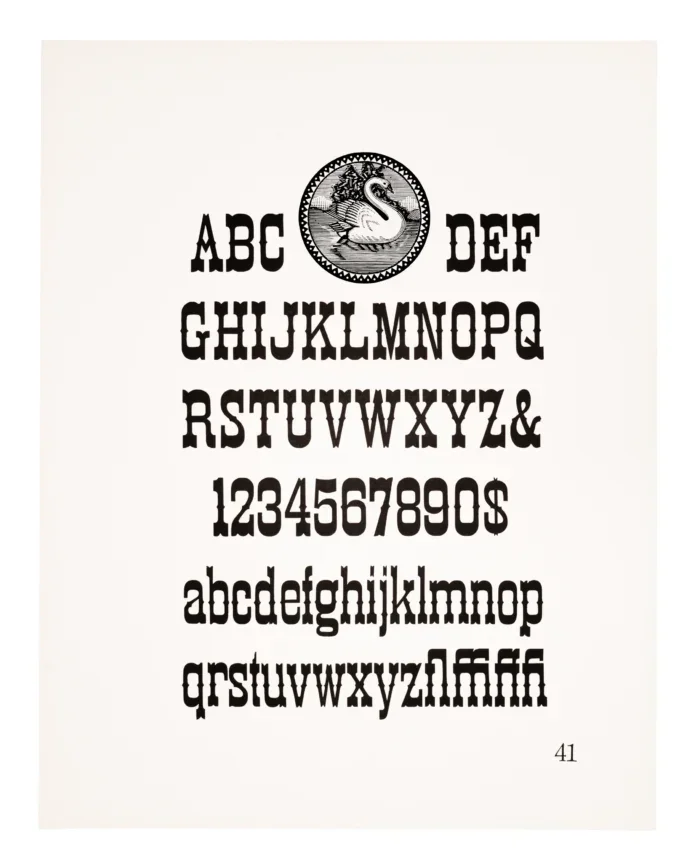
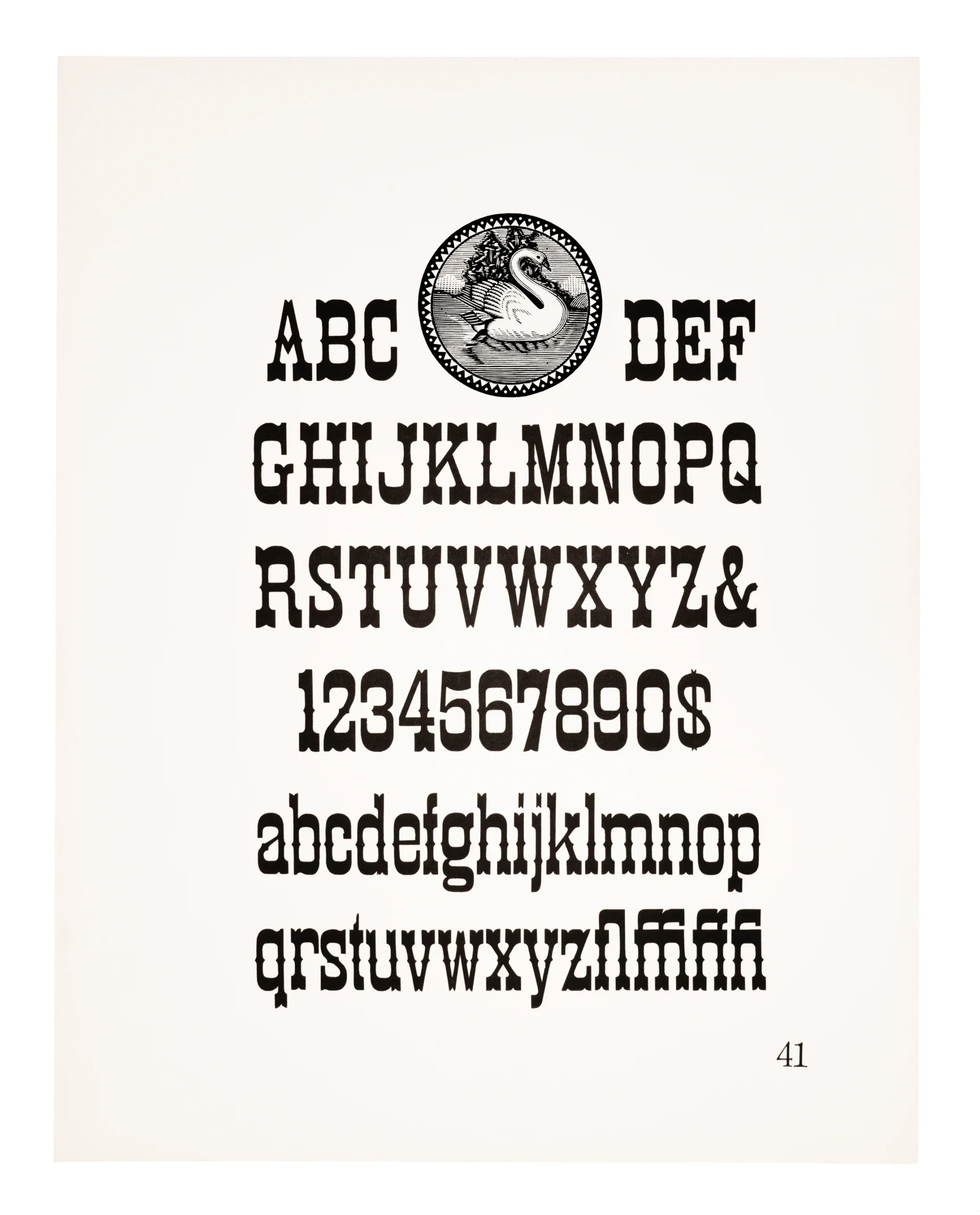
Page 41 features Tuscan Egyptian (10 line). -
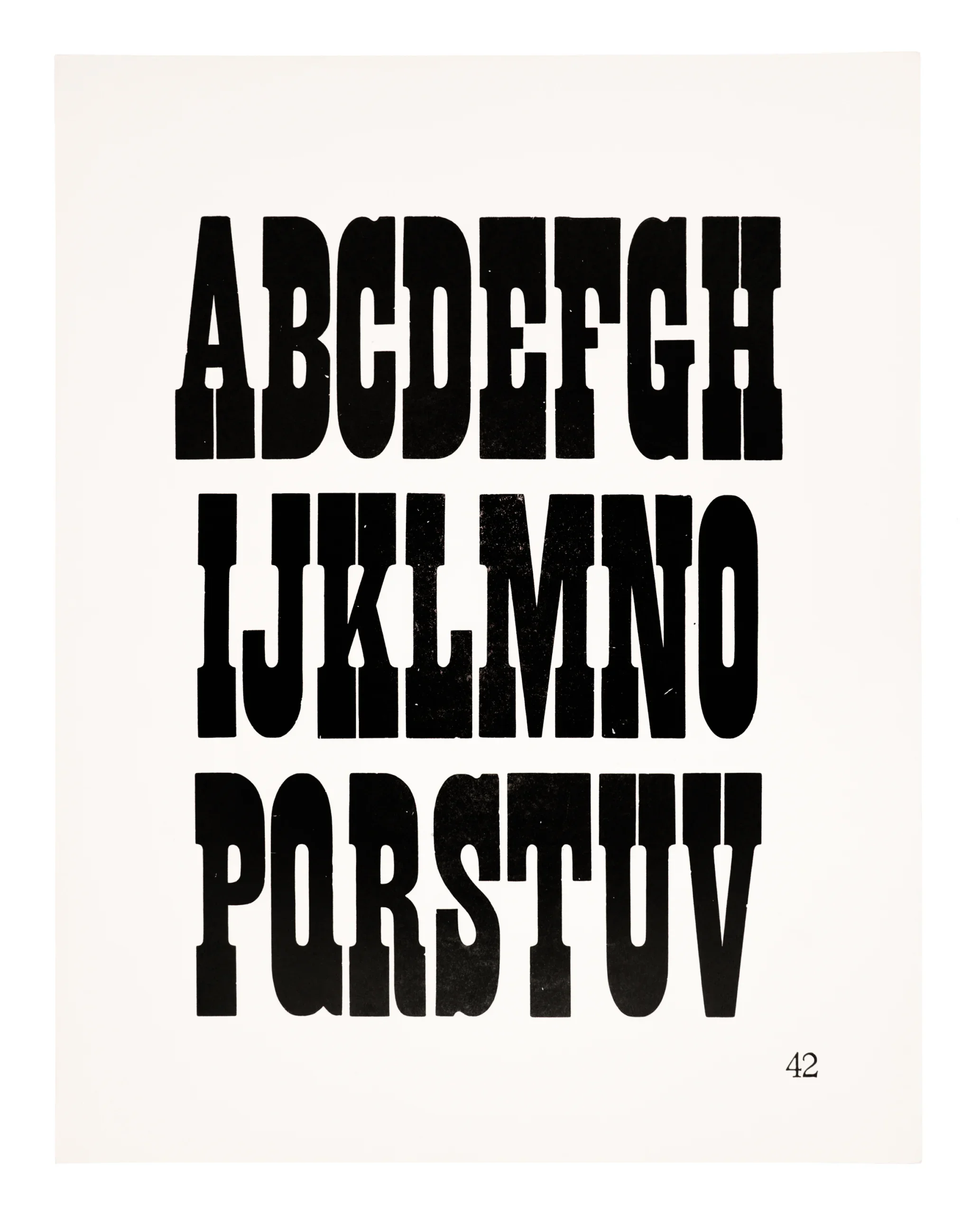
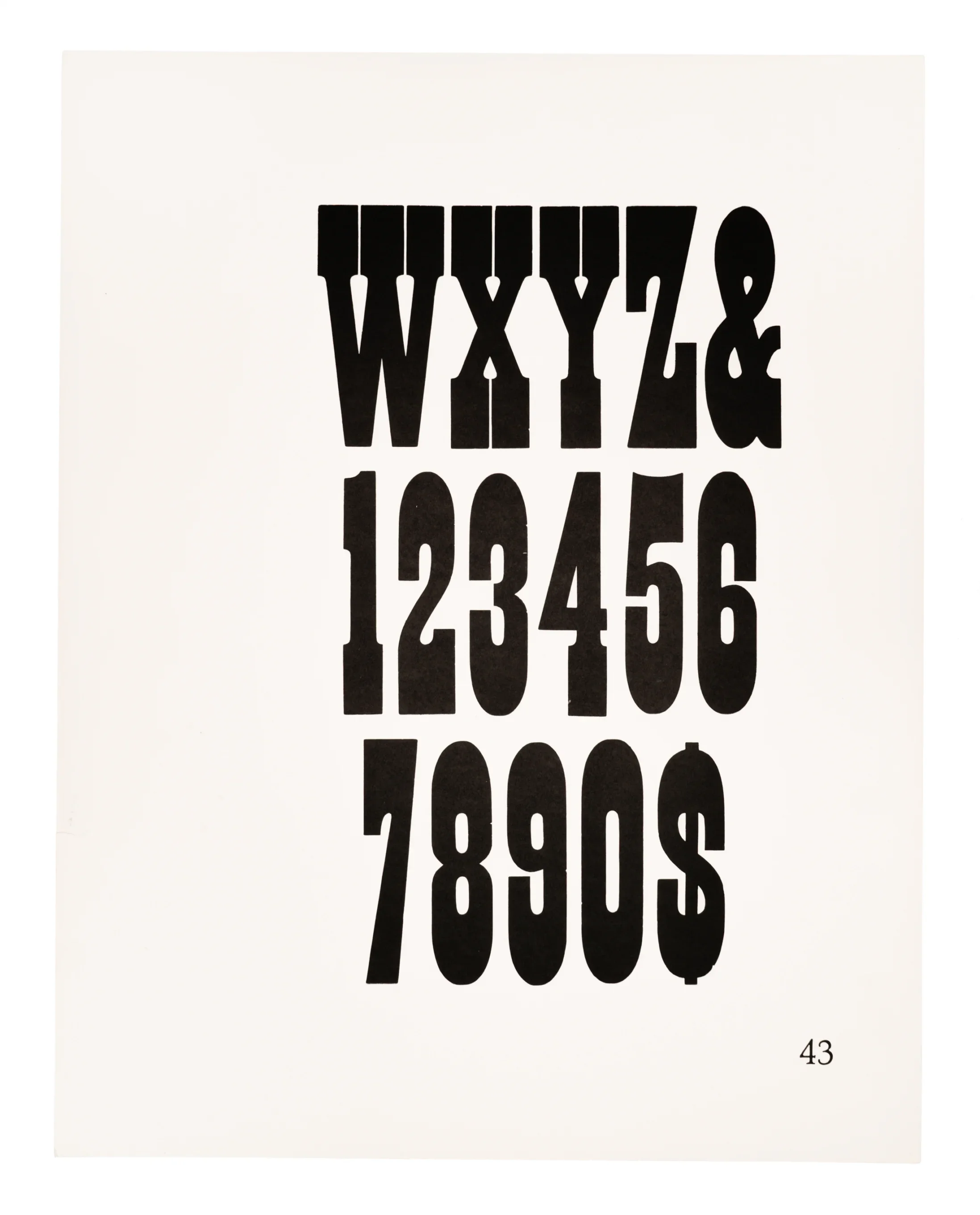
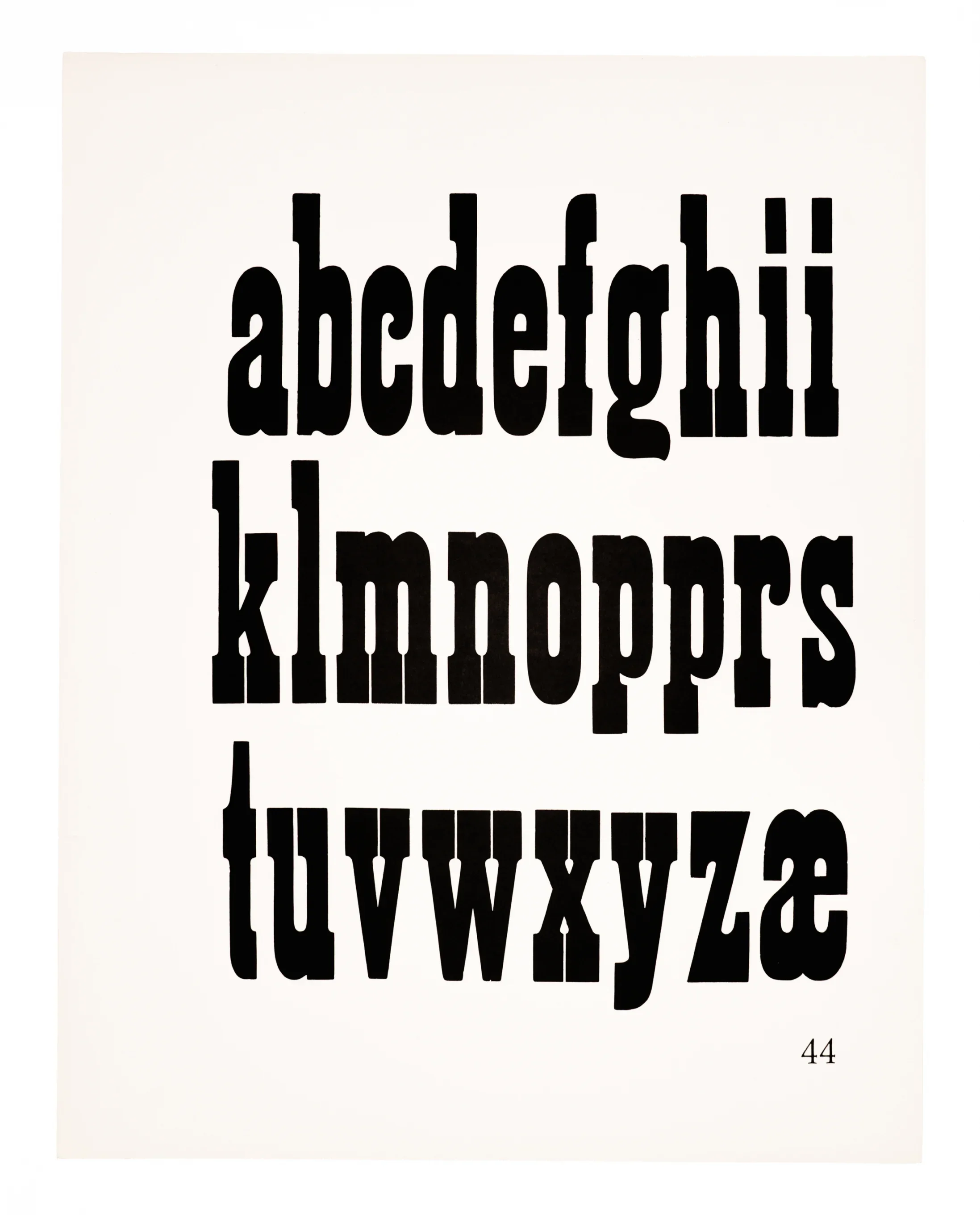
Page 42 features French Clarendon Bold (30 line). -
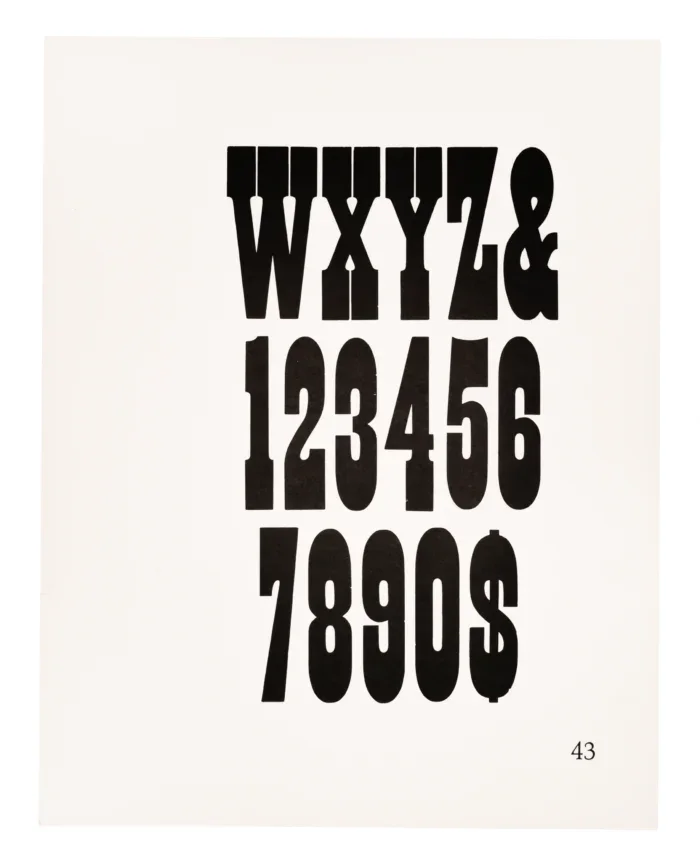
Page 43 features French Clarendon Bold (30 line). -
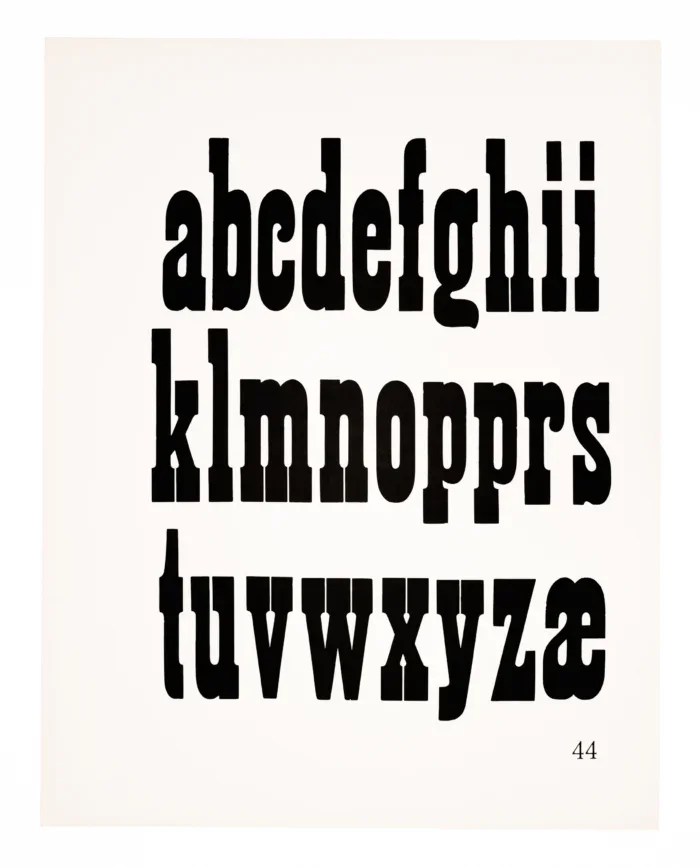
Page 44 features French Clarendon Bold (30 line). -
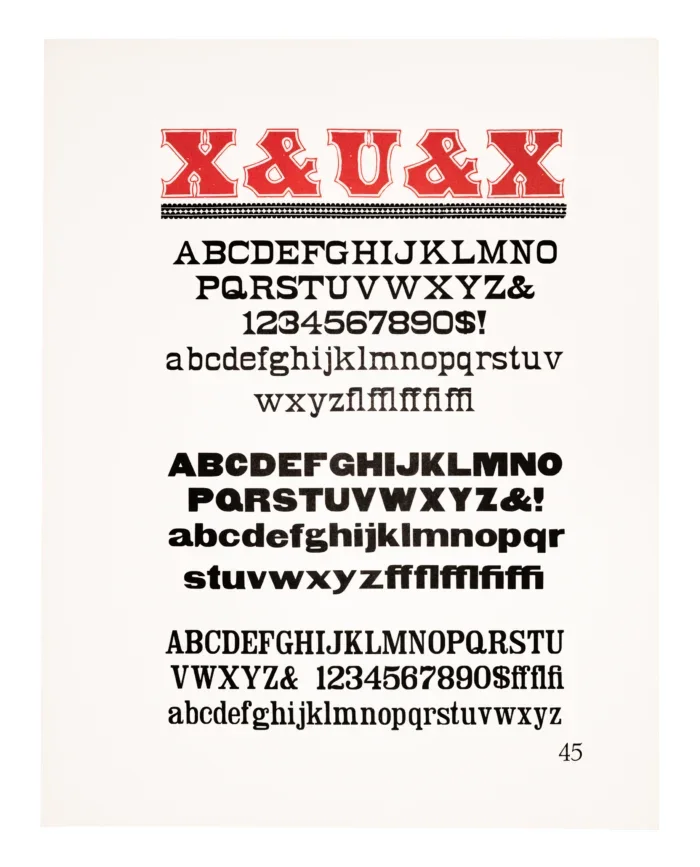
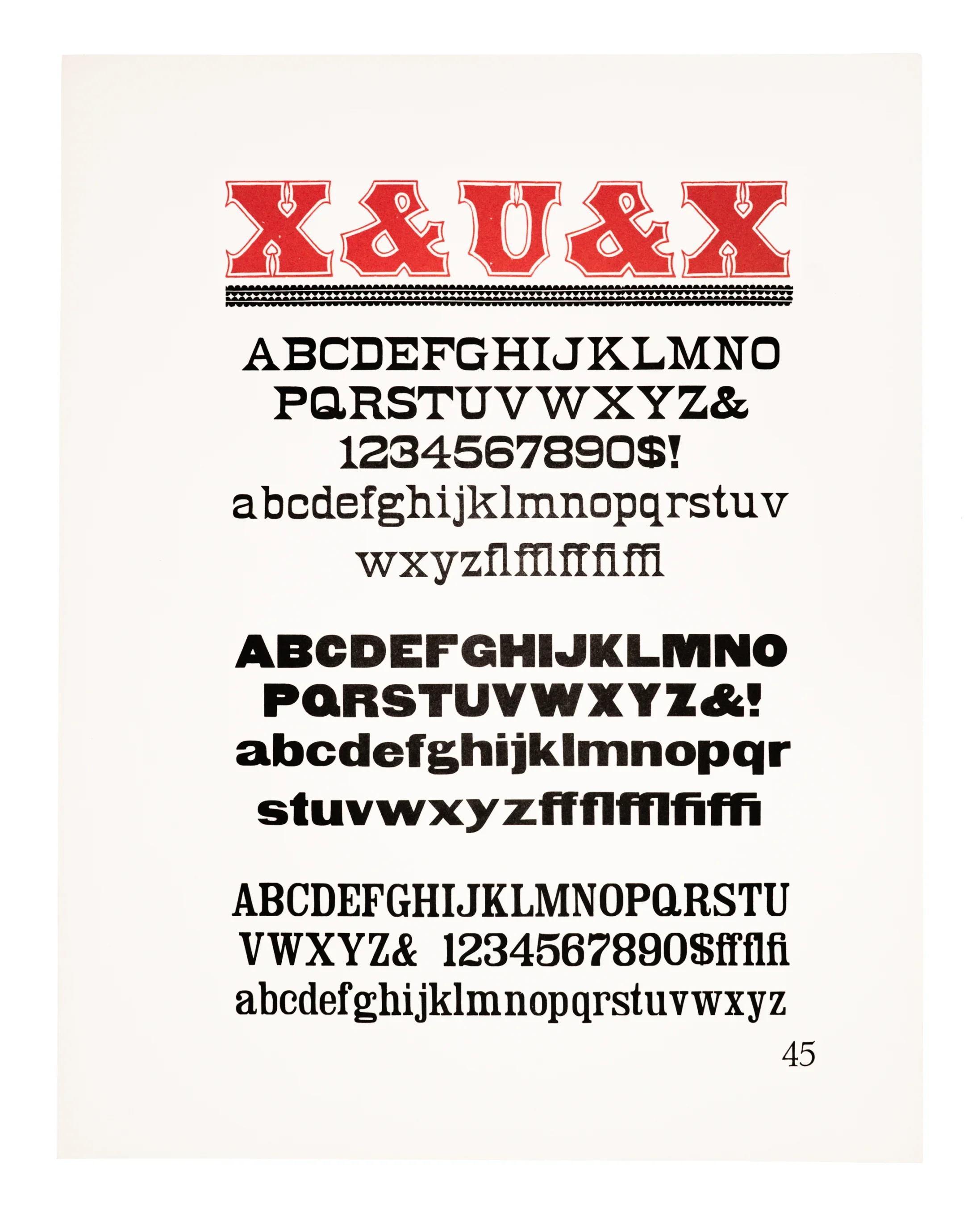
Page 45 features No. 131 (4 line) , Gothic (4 line) , and Clarendon Light Face (4 line). -
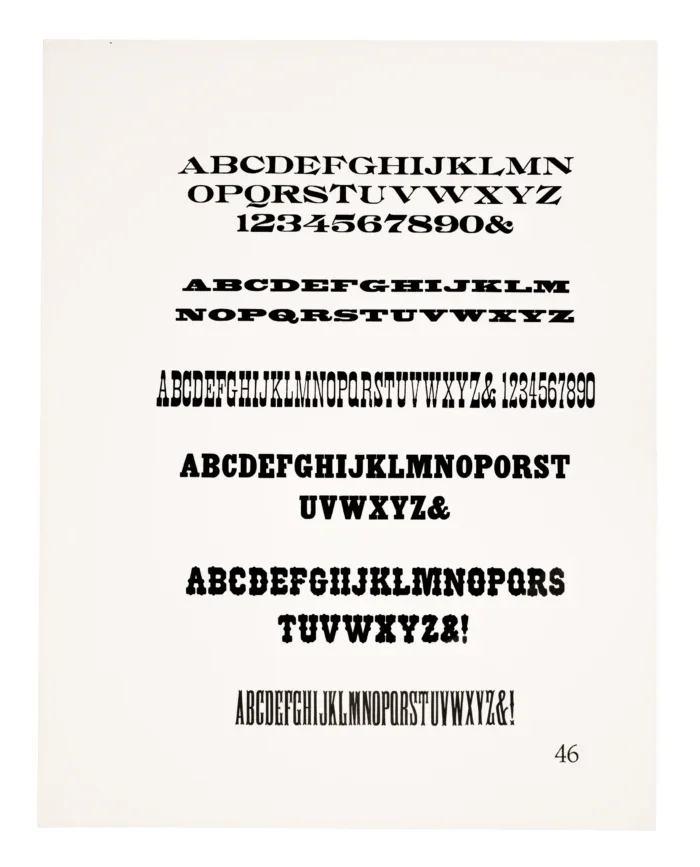
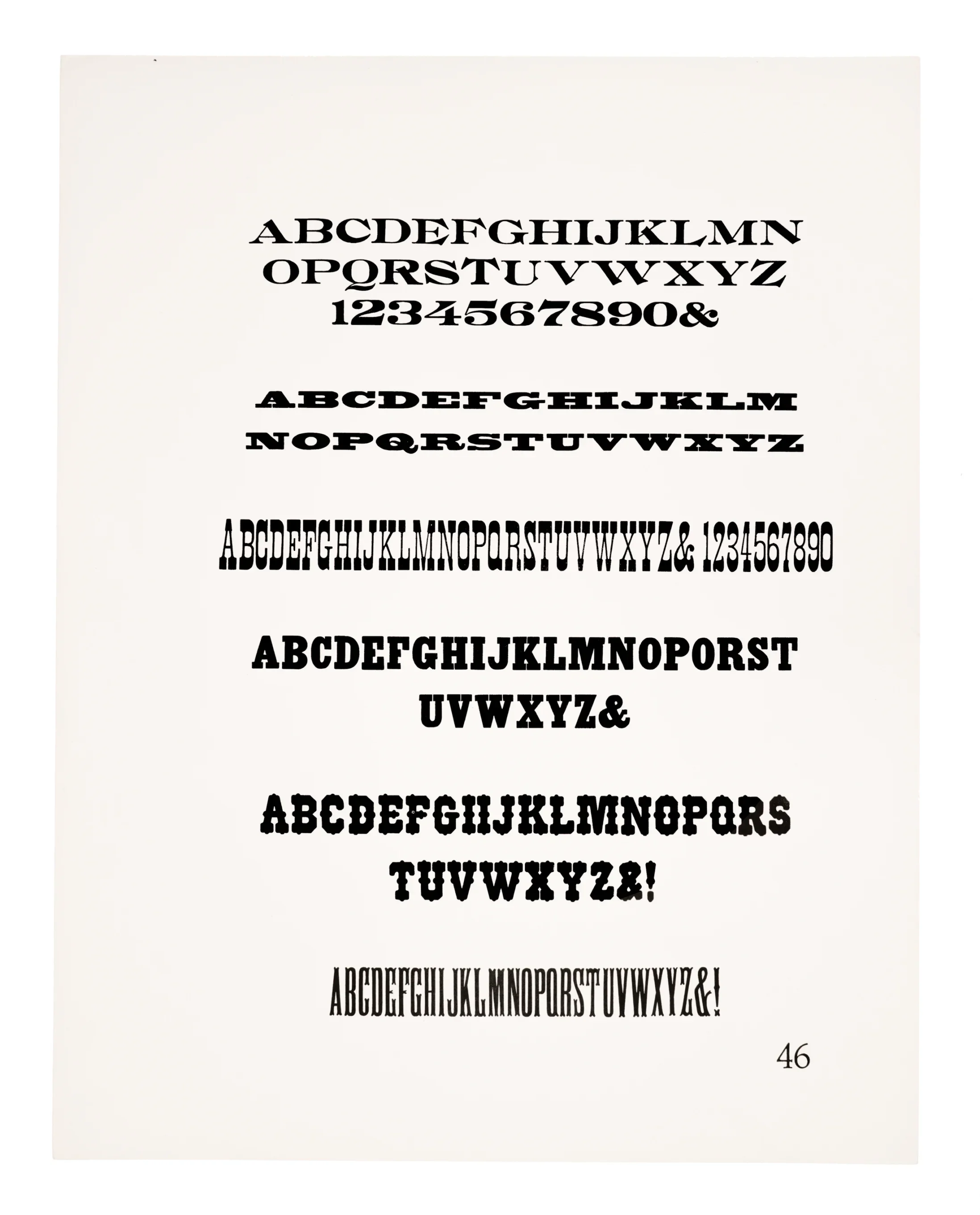
Page 46 features Unique (3 line) , Antique Extended (2 line) , Belgian (6 line) , Antique Condensed (4 line) , No. 515 (5 line) , and Antique Tuscan (6 line). -
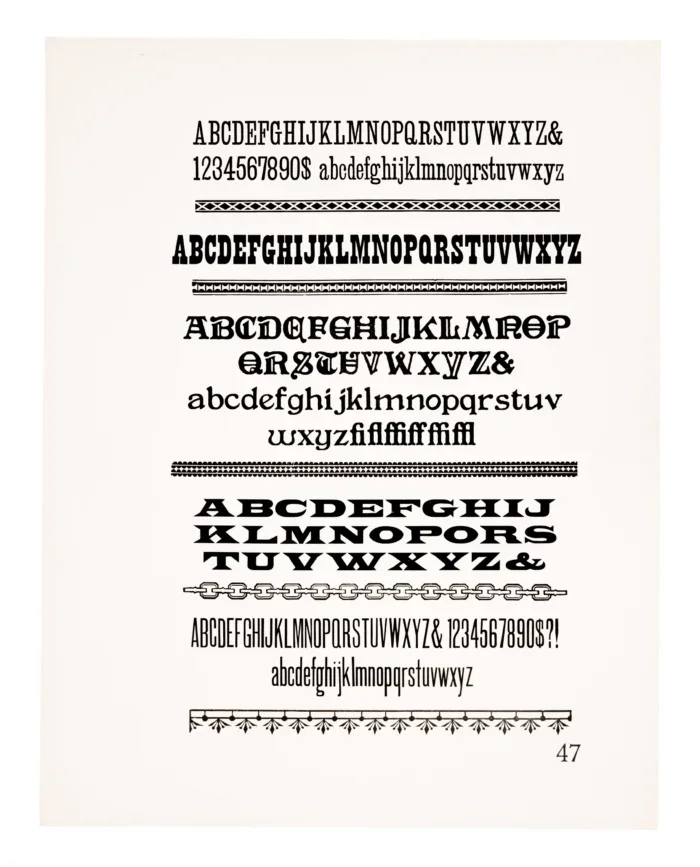
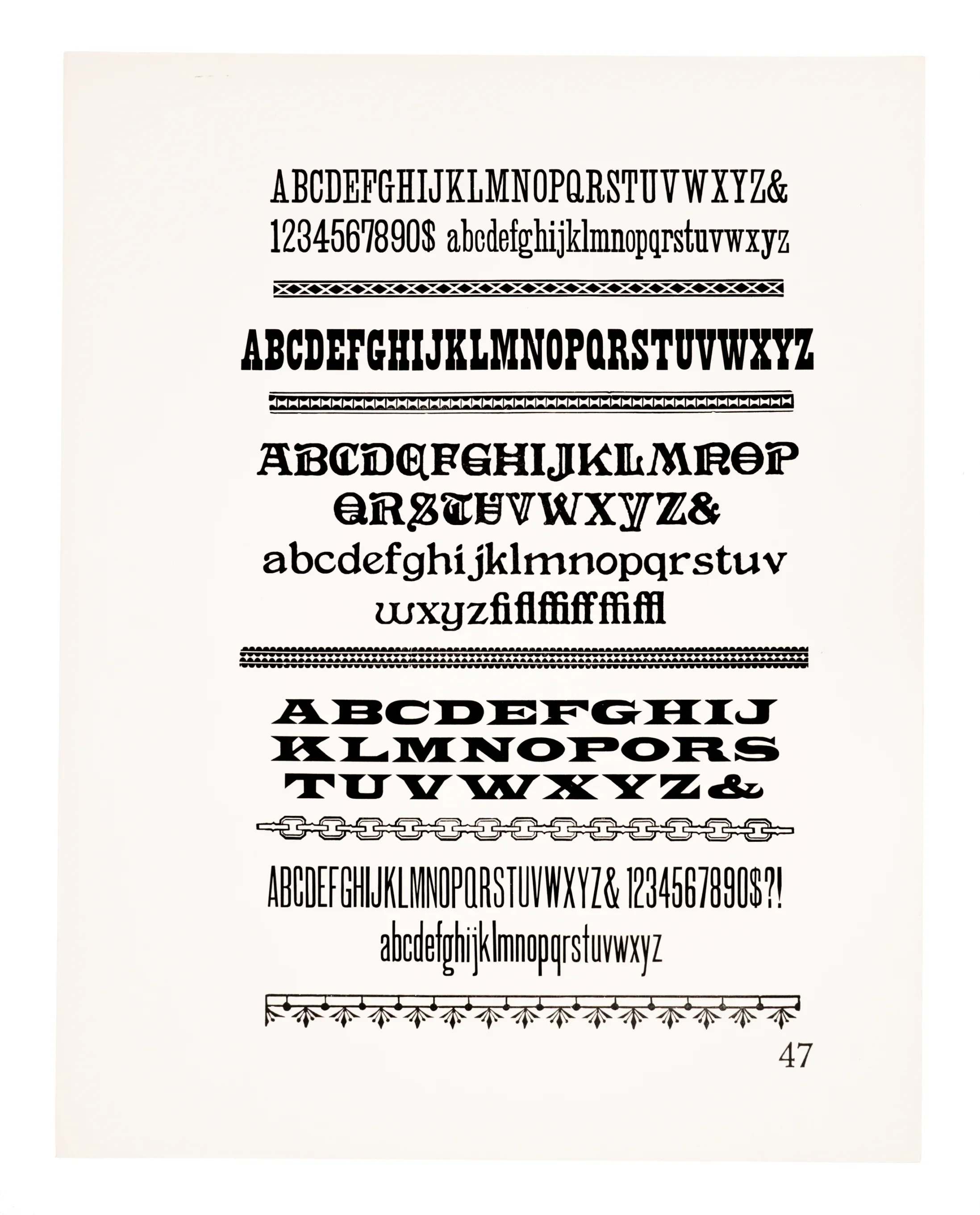
Page 47 features Skeleton Antique (4 line) which is not present in the collection, Clarendon No. 1 (5 line), No. 622 (4 line), Latin Extended (3 line), and Gothic Special (5 line). -
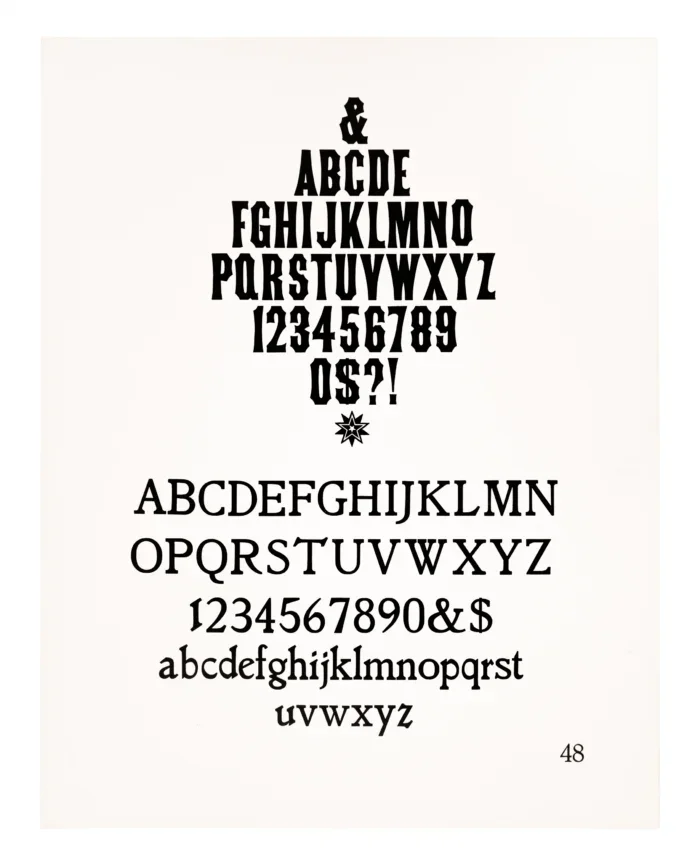
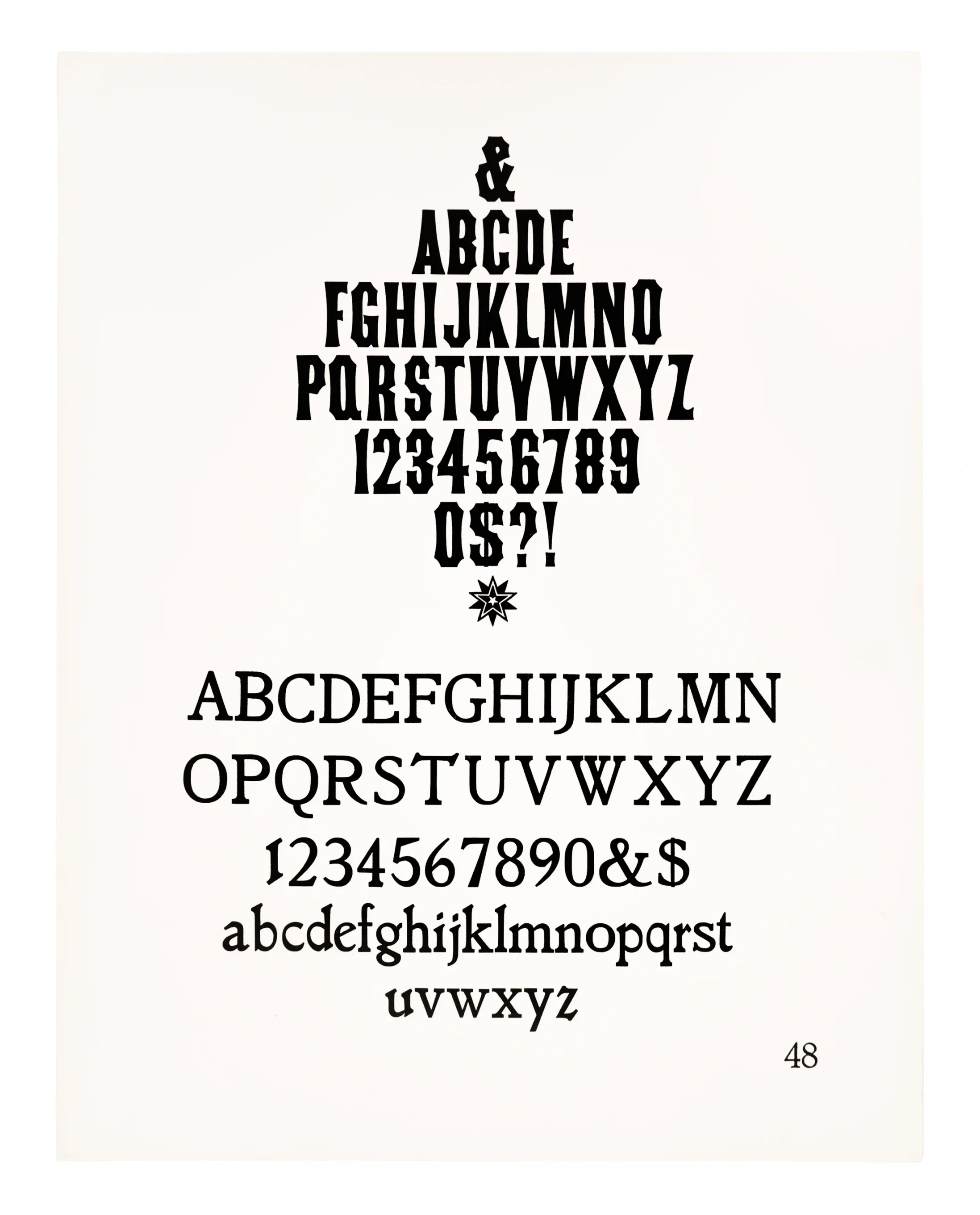
Page 48 features Gothic Tuscan Condensed, (8 line) and Jensen Old Style, (6 line). -
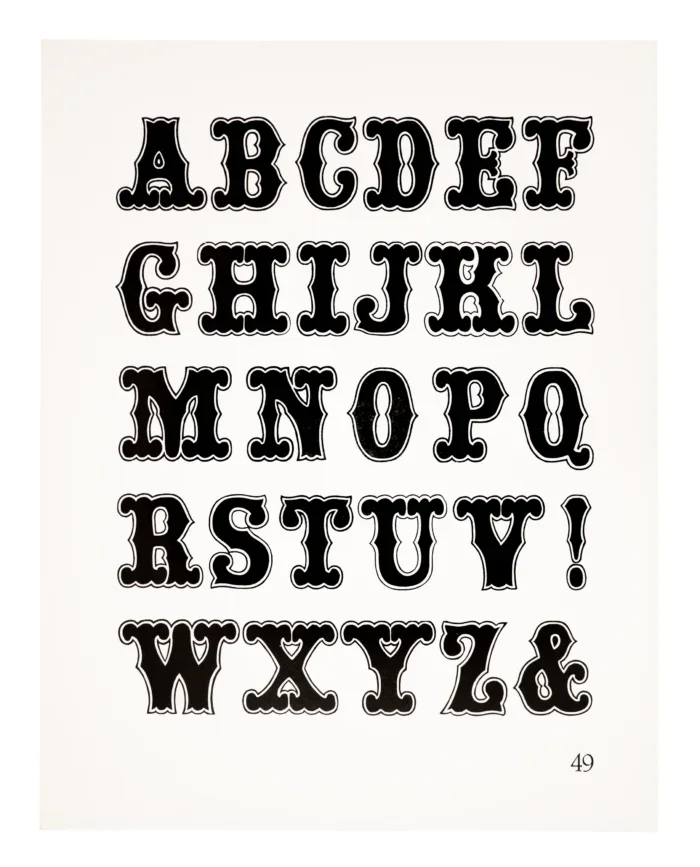
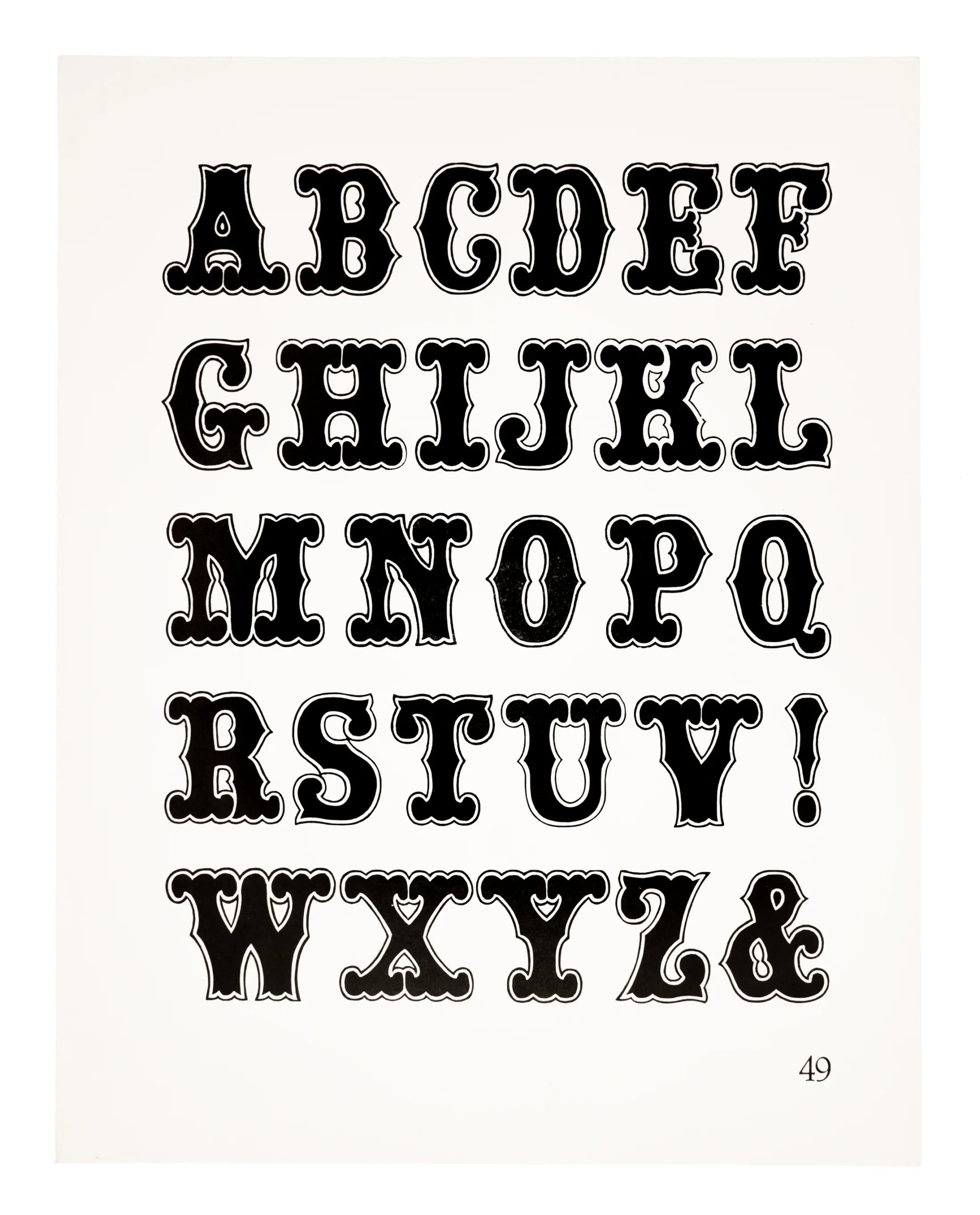
Page 49 features Tuscan Open (16 line). -
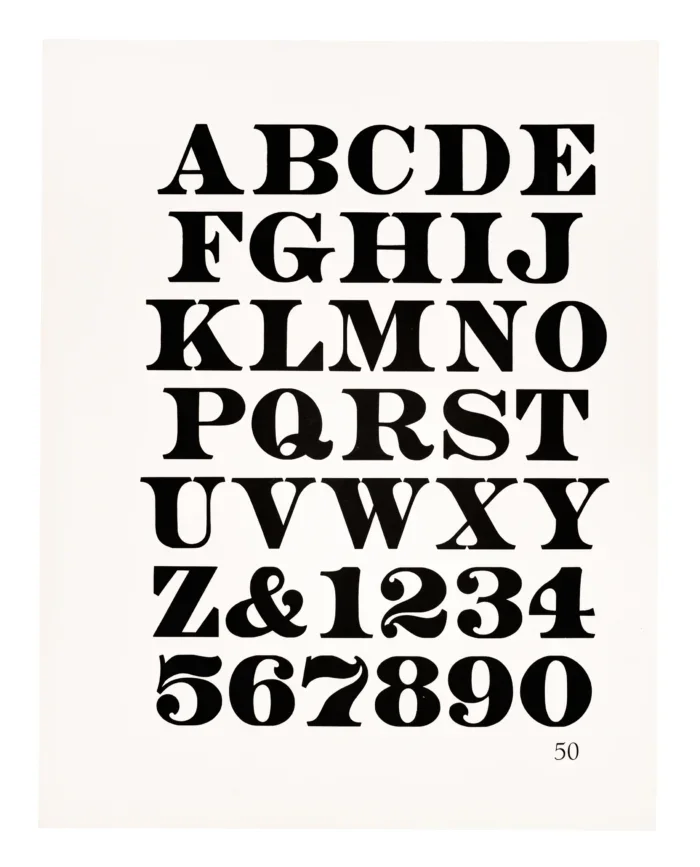
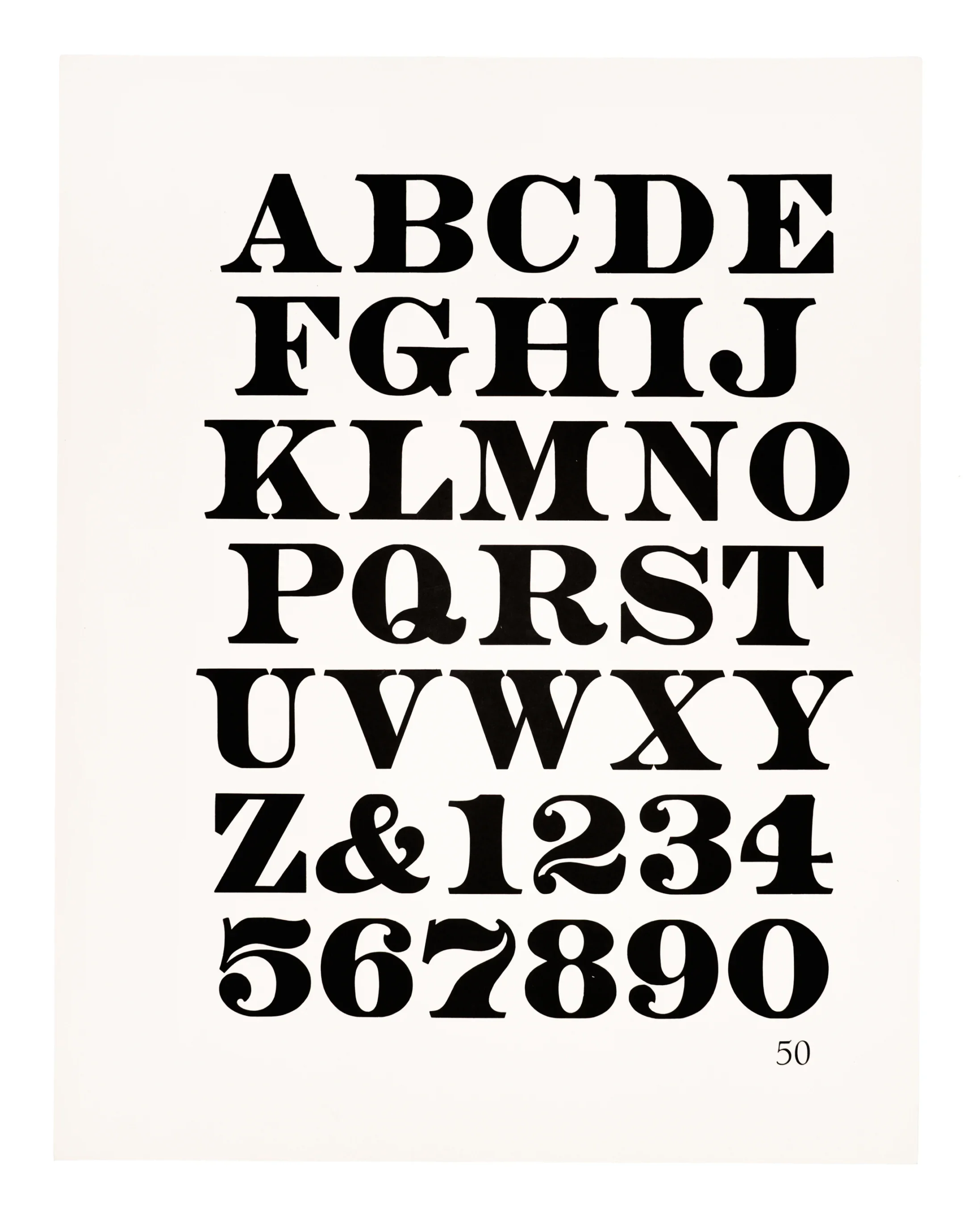
Page 50 features Aetna (12 line). -
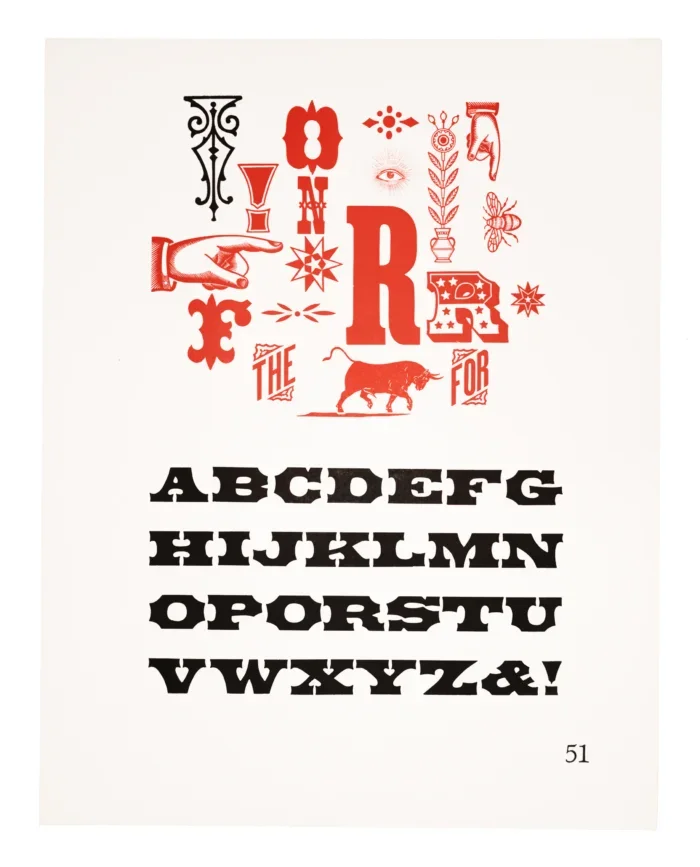
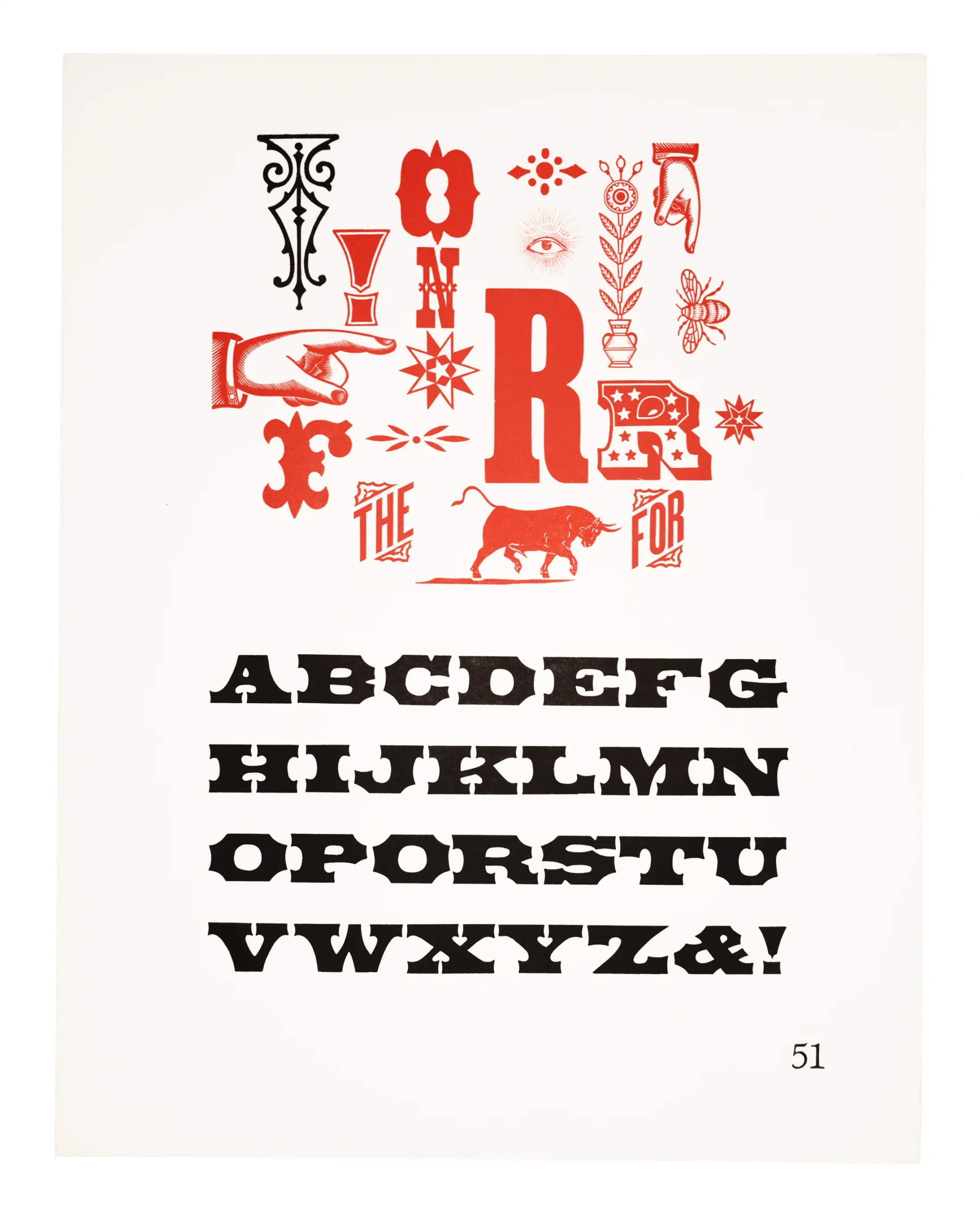
Page 51 features Antique Tuscan Extended (6 line). -
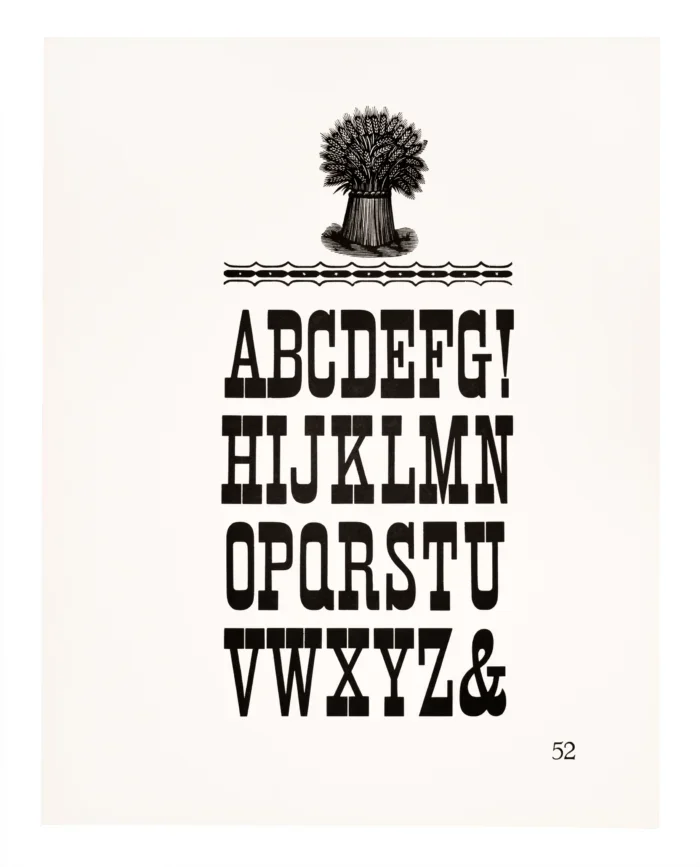
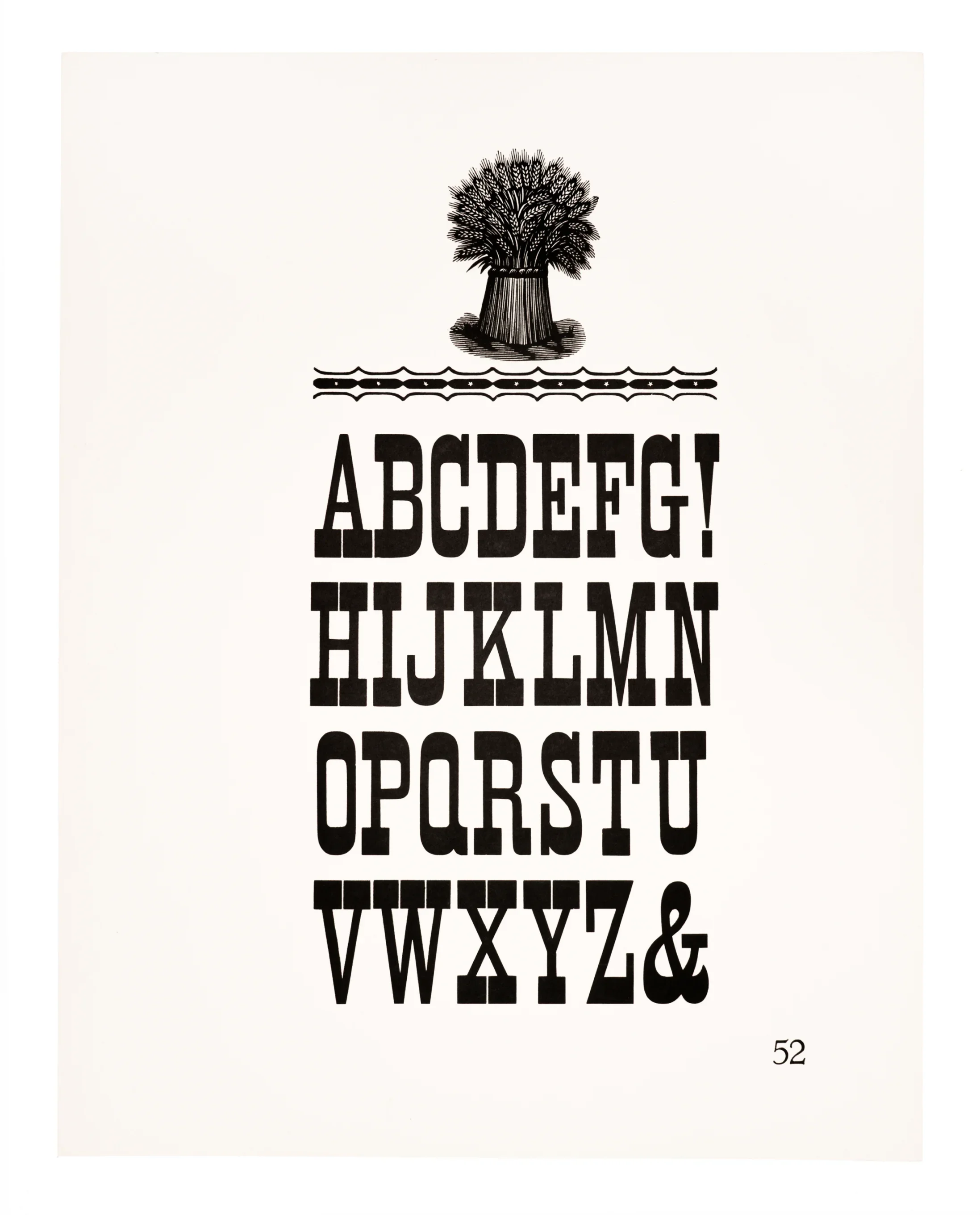
Page 52 features Antique No. 7, which is not present in the collection. -
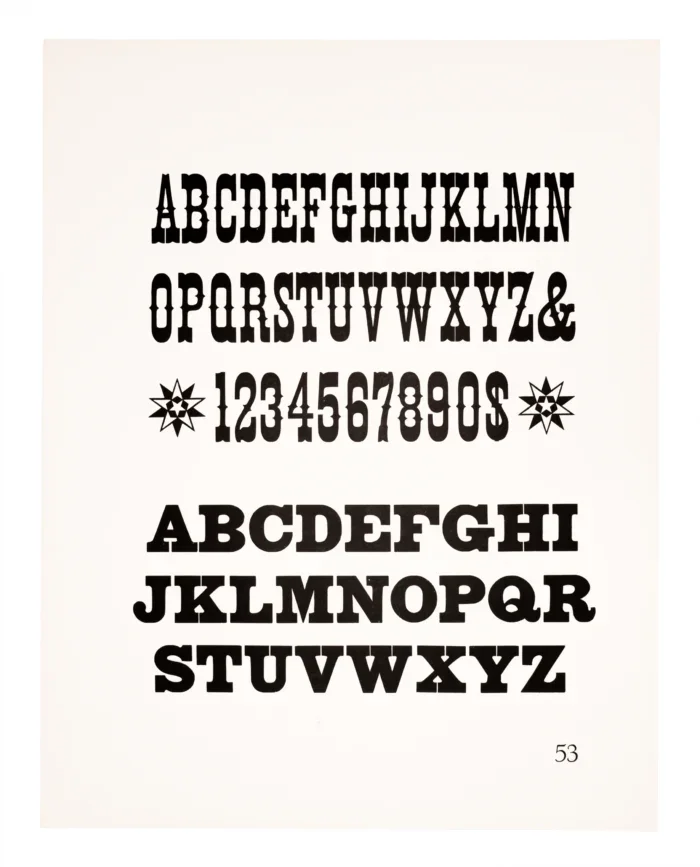
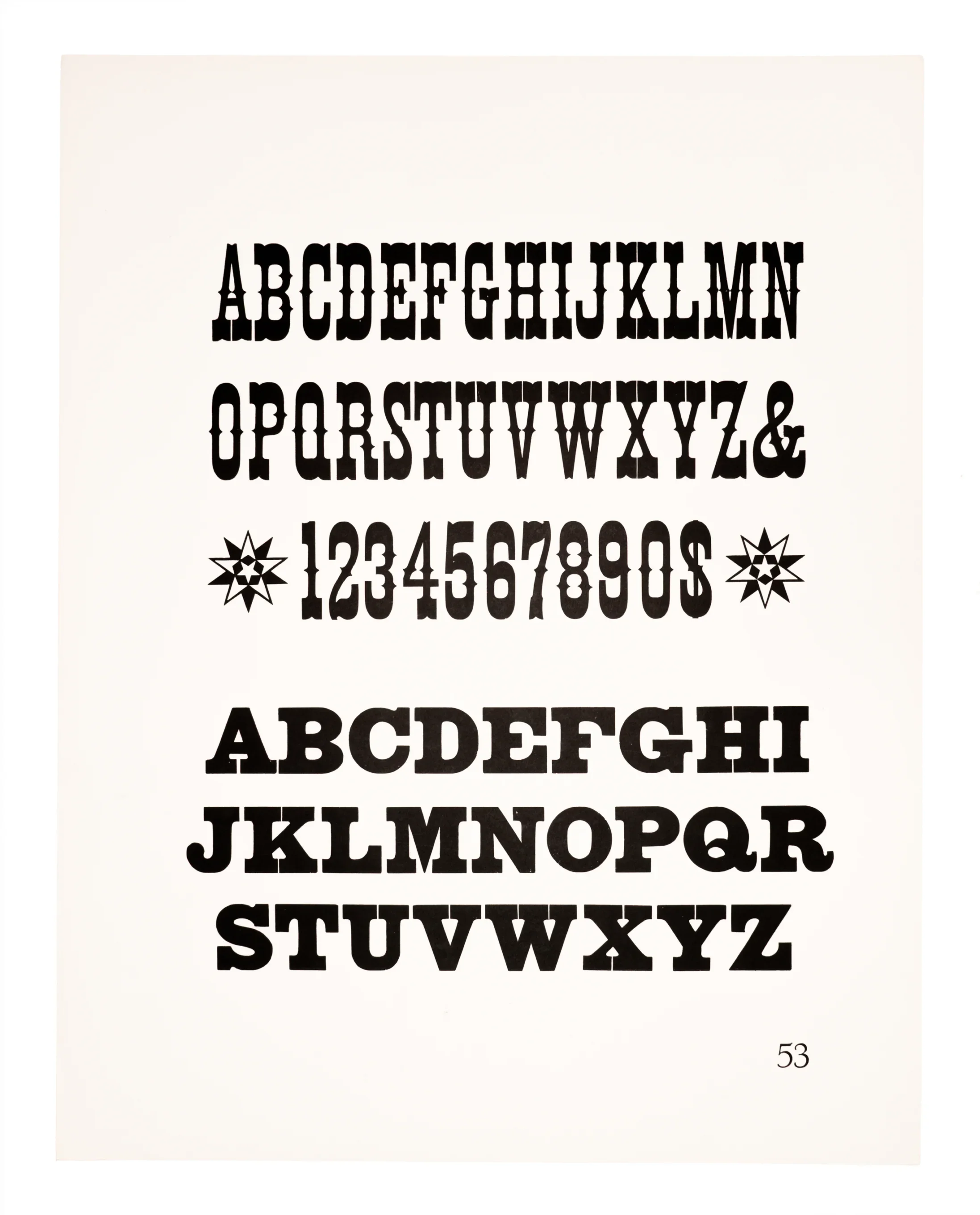
Page 53 features Egyptian Ornamented (12 line), and Columbian (8 line). -
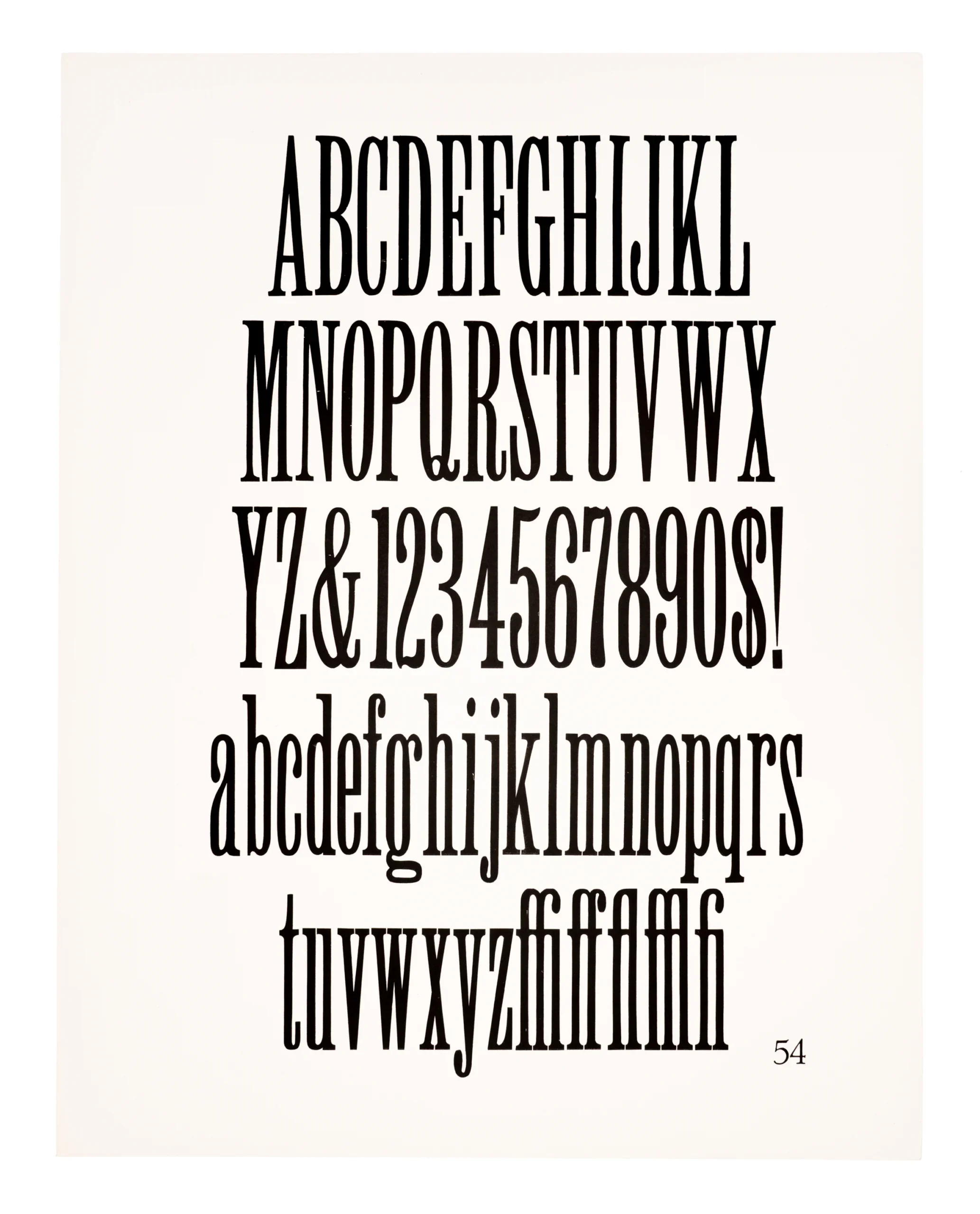
Page 54 features Clarendon Light Face XX Condensed (20 line). -
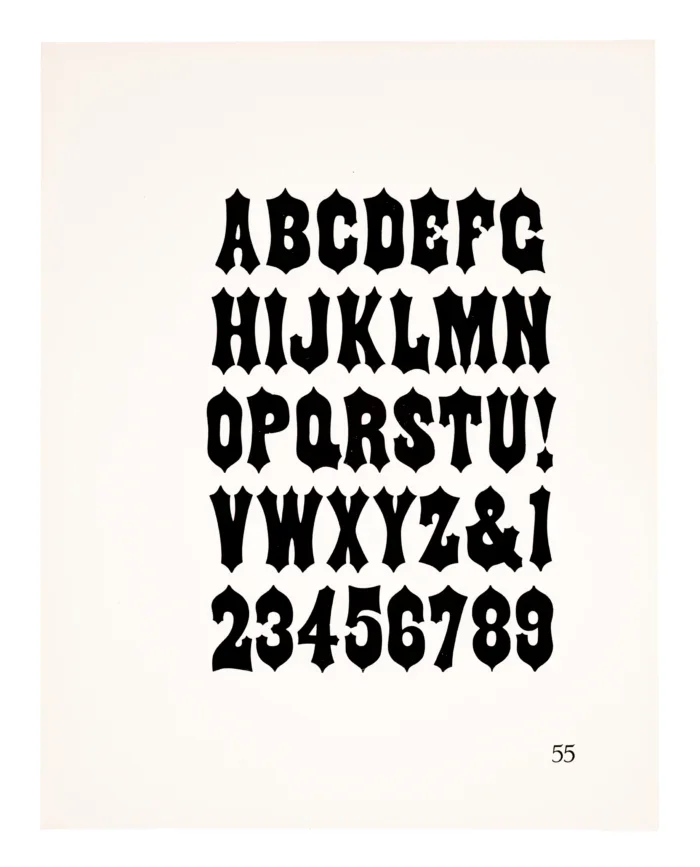
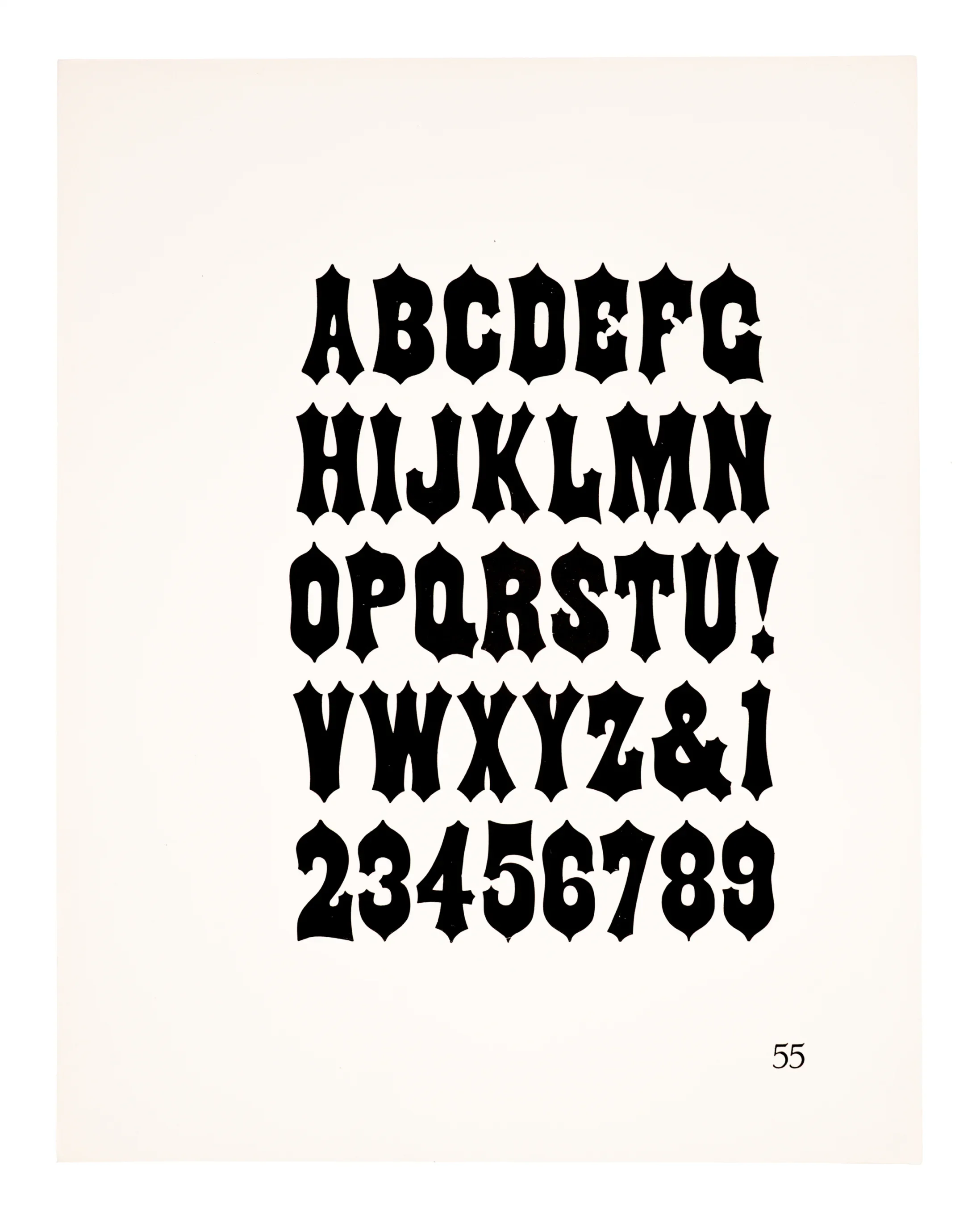
Page 55 features Gothic Tuscan Condensed Reversed (15 line). -
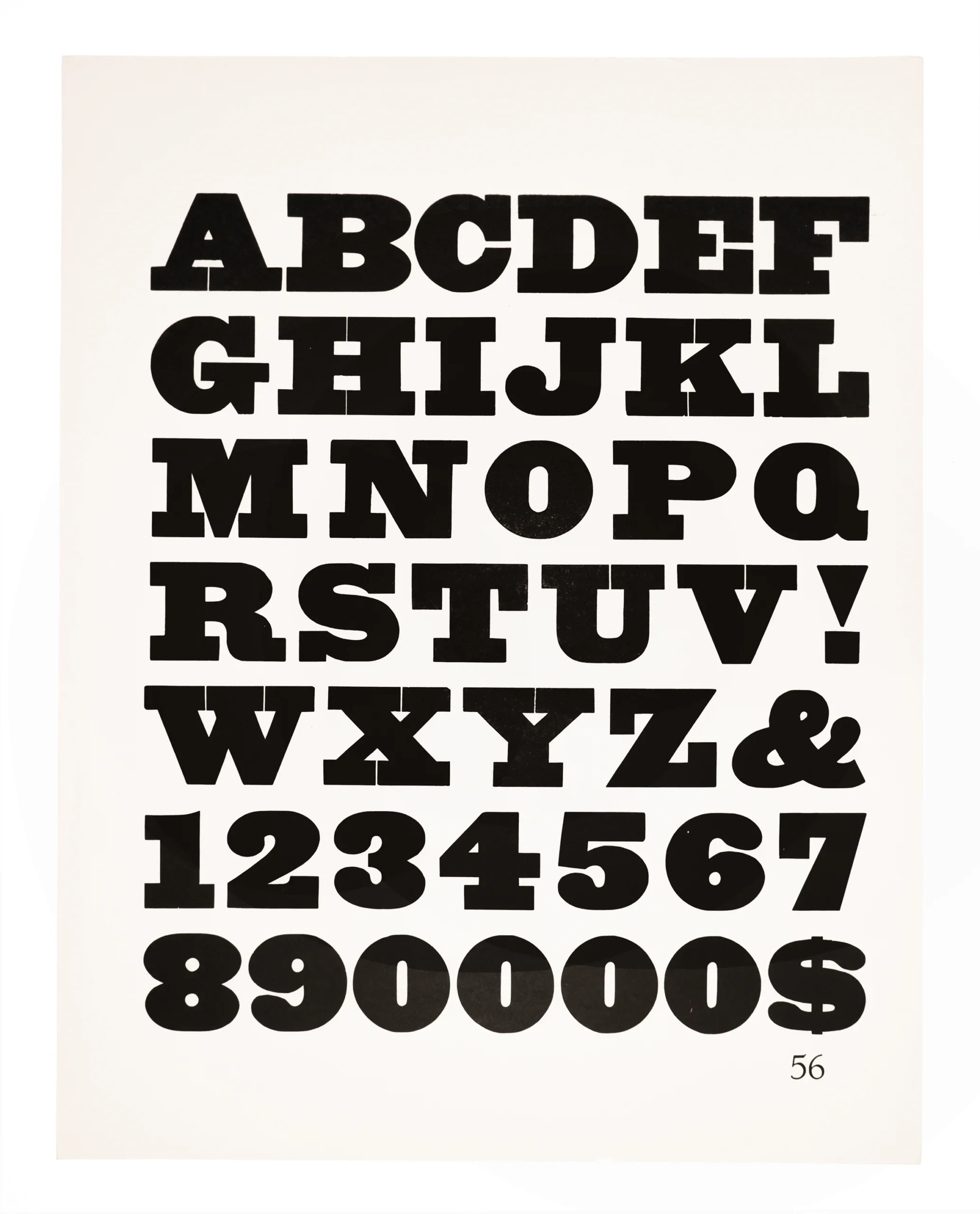
Page 56 features Tuscan Italian (15 line). -
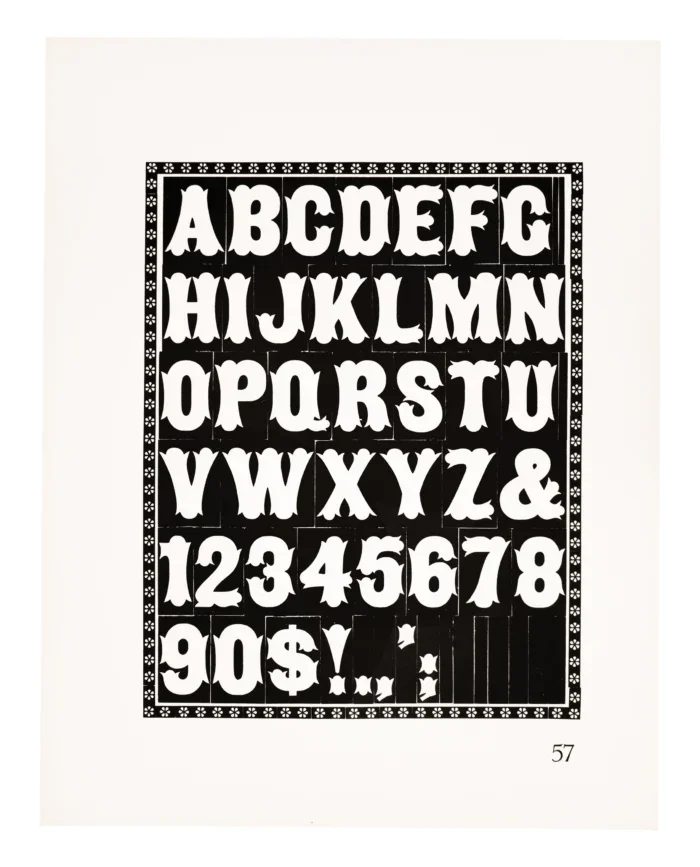
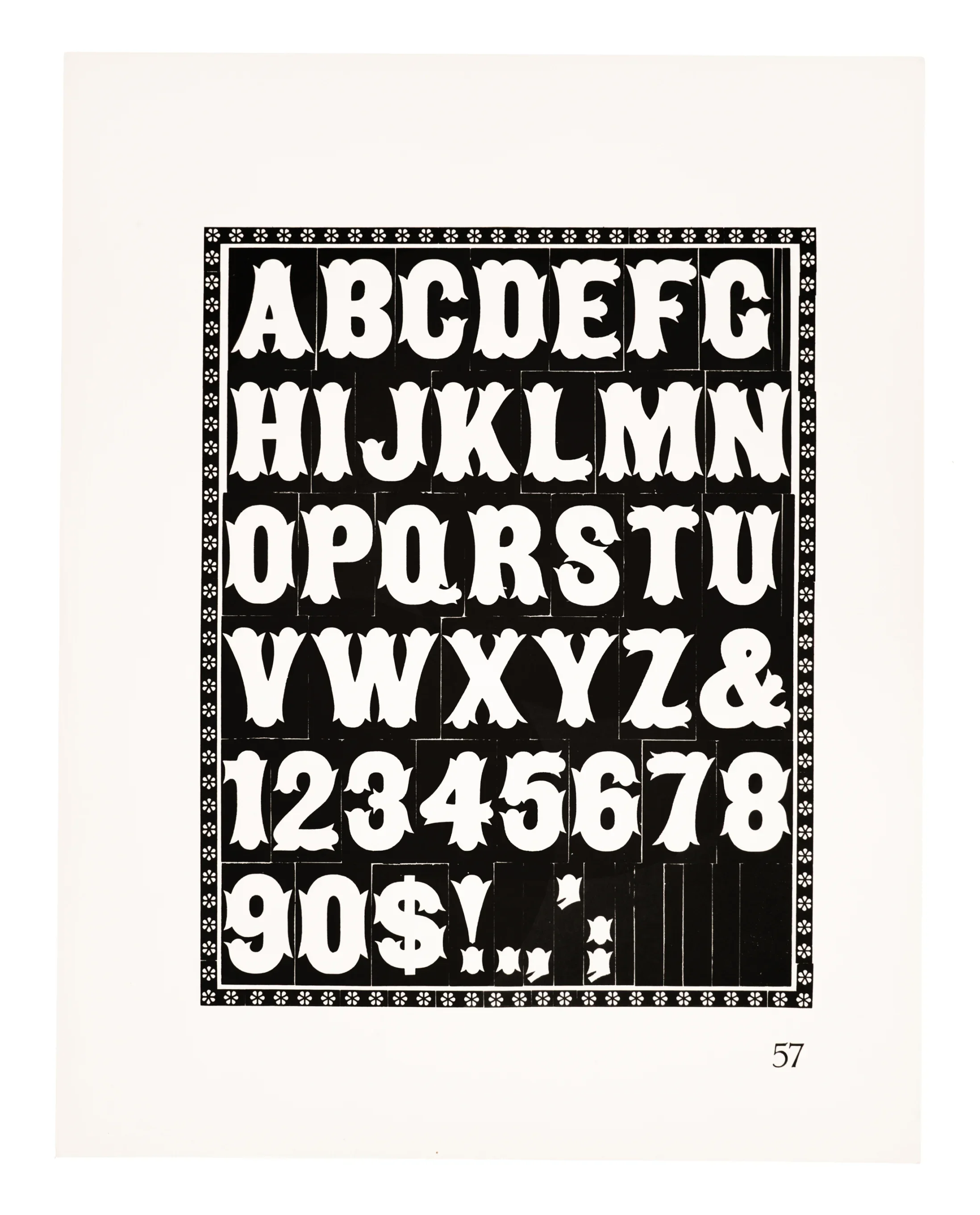
Page 57 features Antique (16 line). -
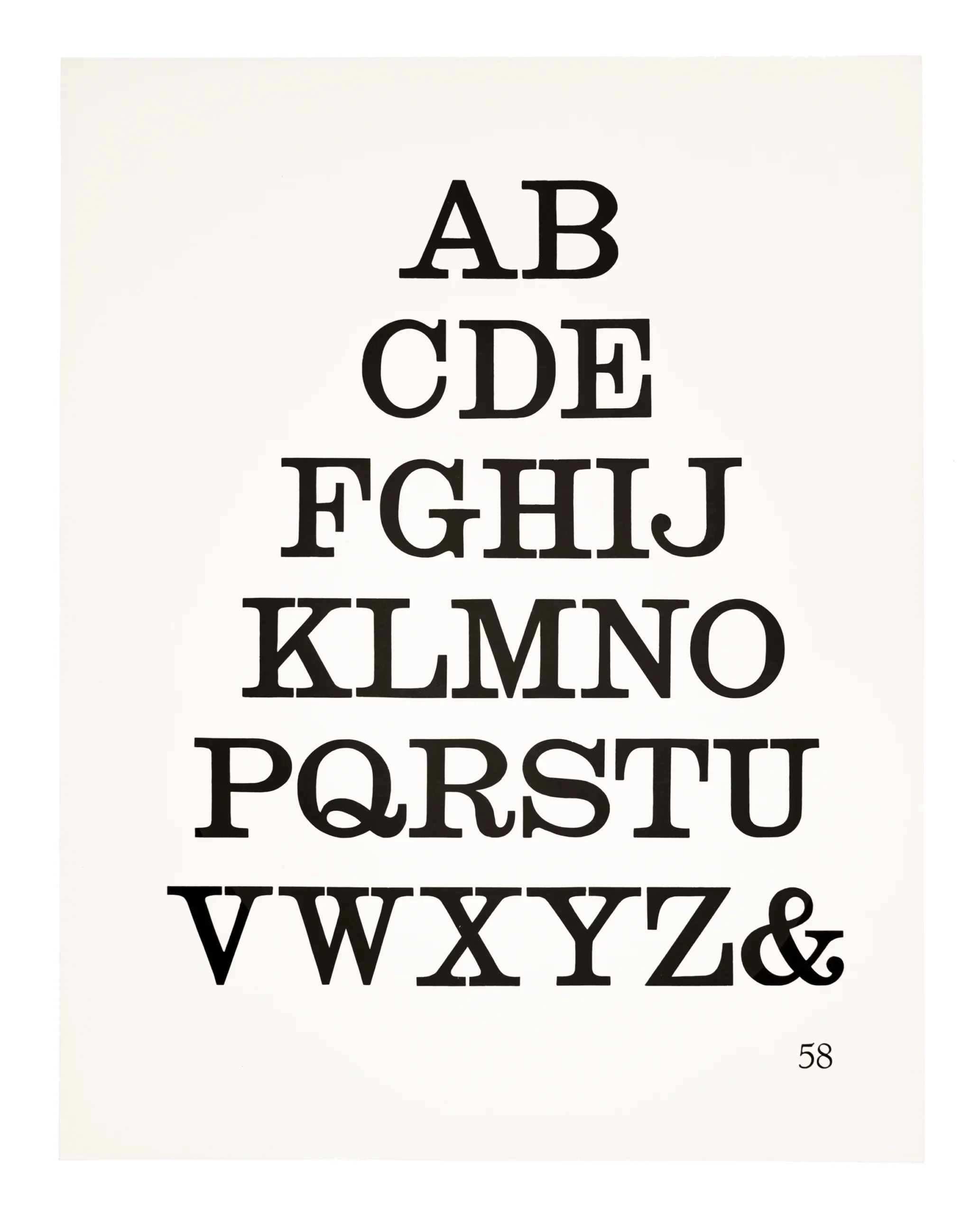
Page 58 features Ionic (12 line). -
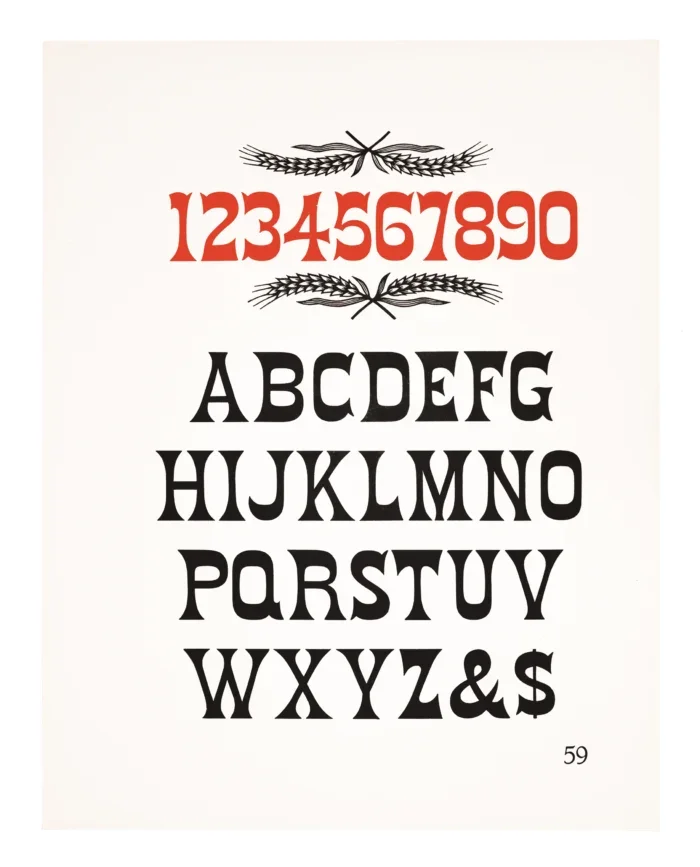
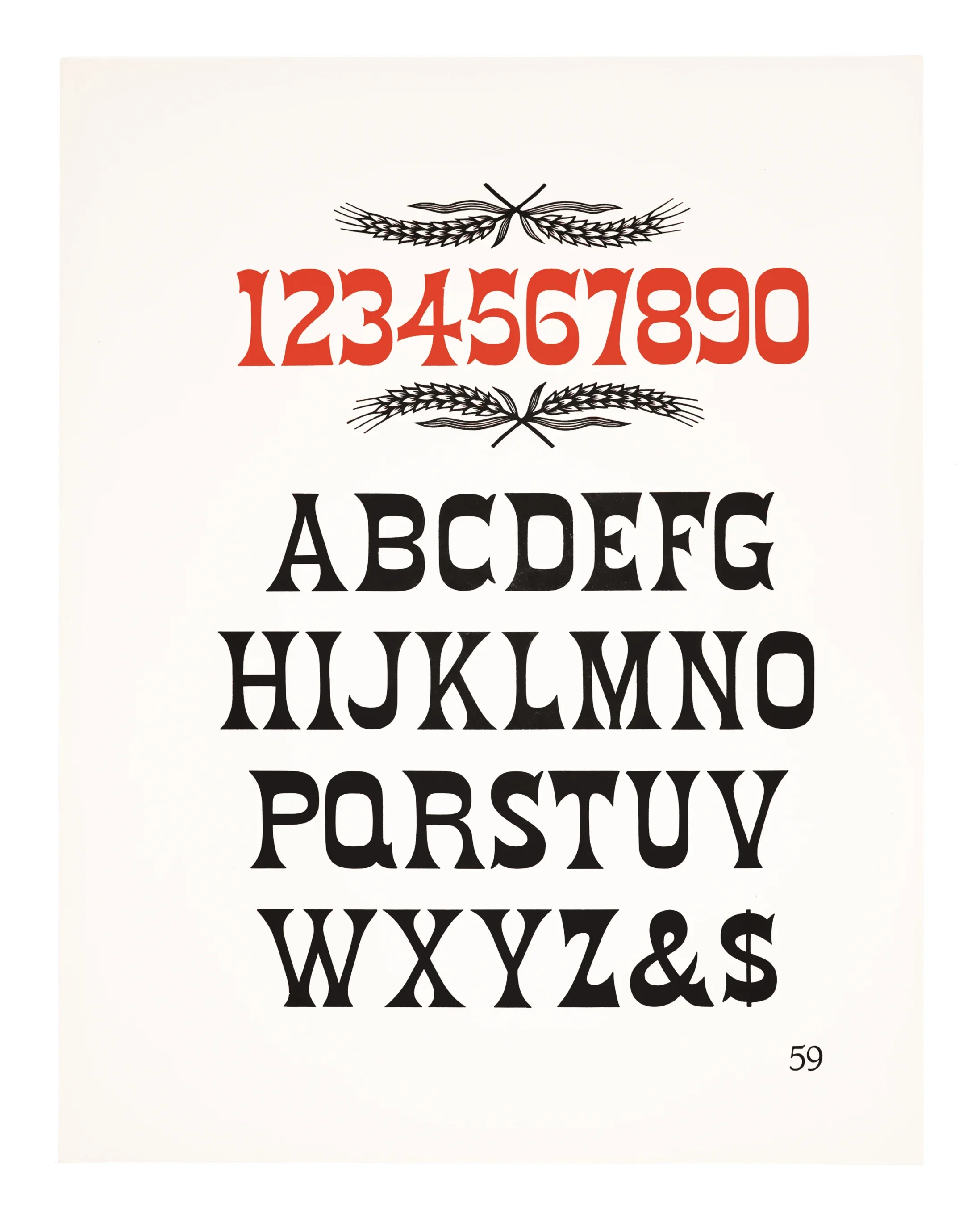
Page 59 features Teutonic (12 line), and Gothic Tuscan Condensed (8 line). -
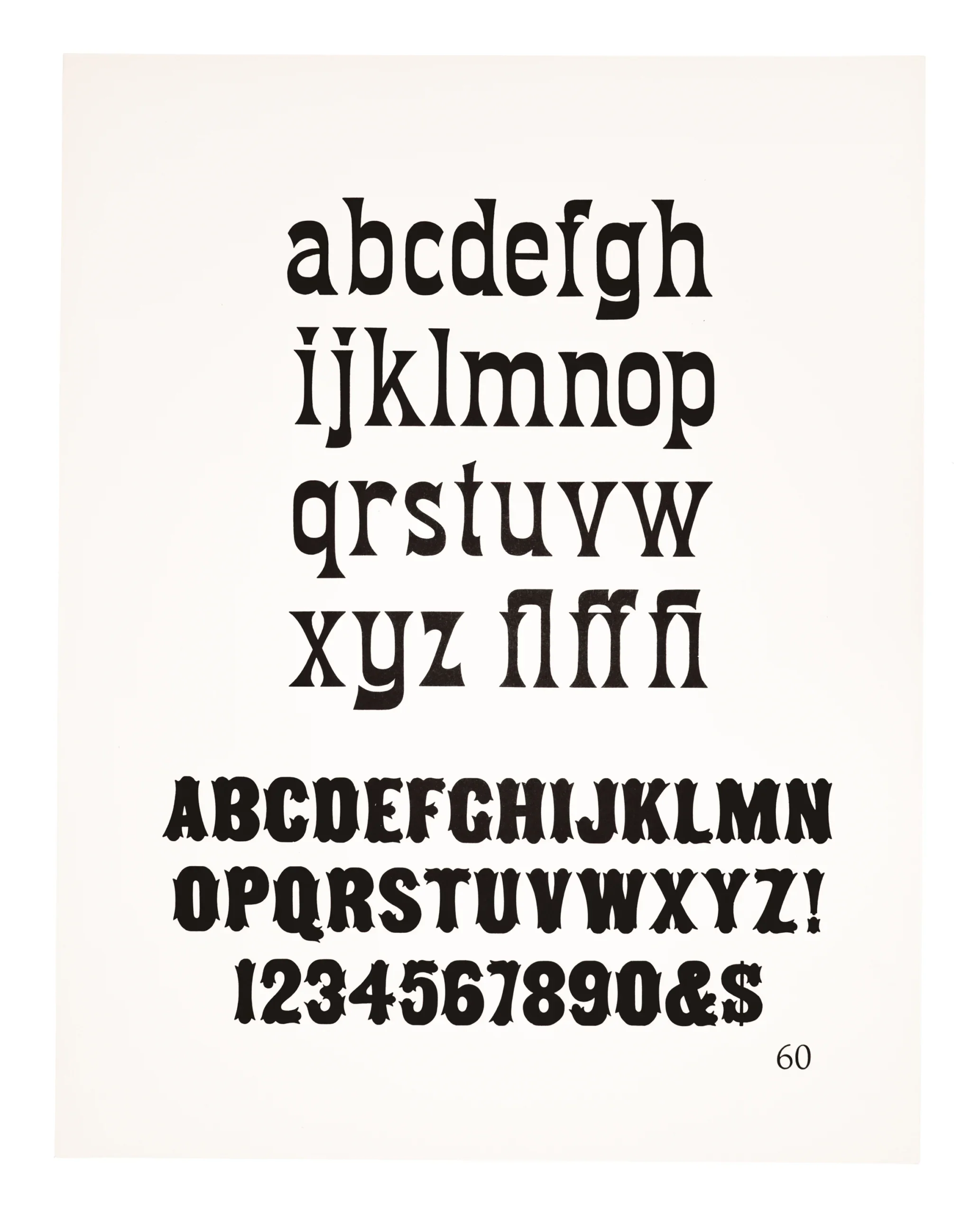
Page 60 features Teutonic (12 line), and Gothic Tuscan Condensed (8 line). -
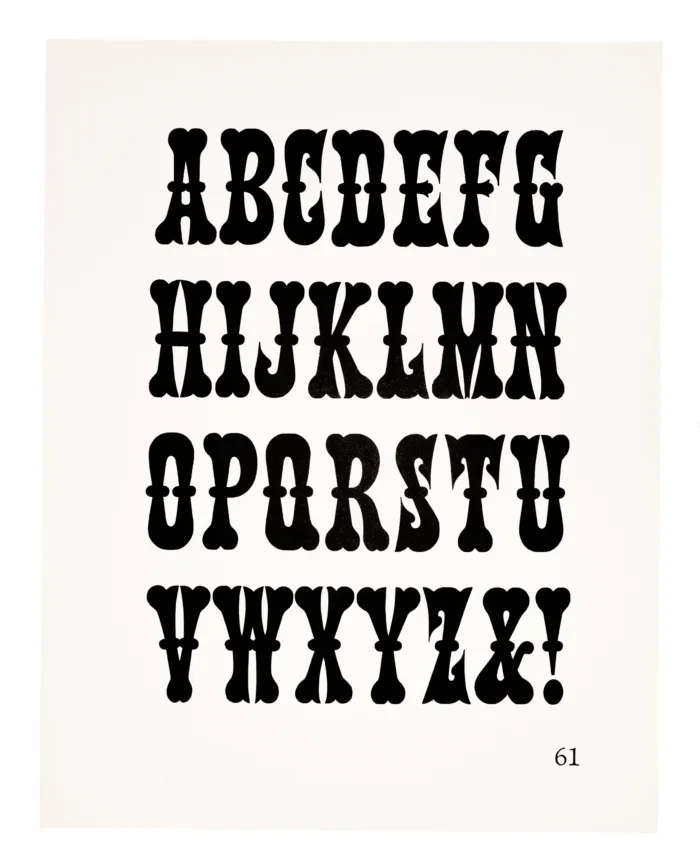
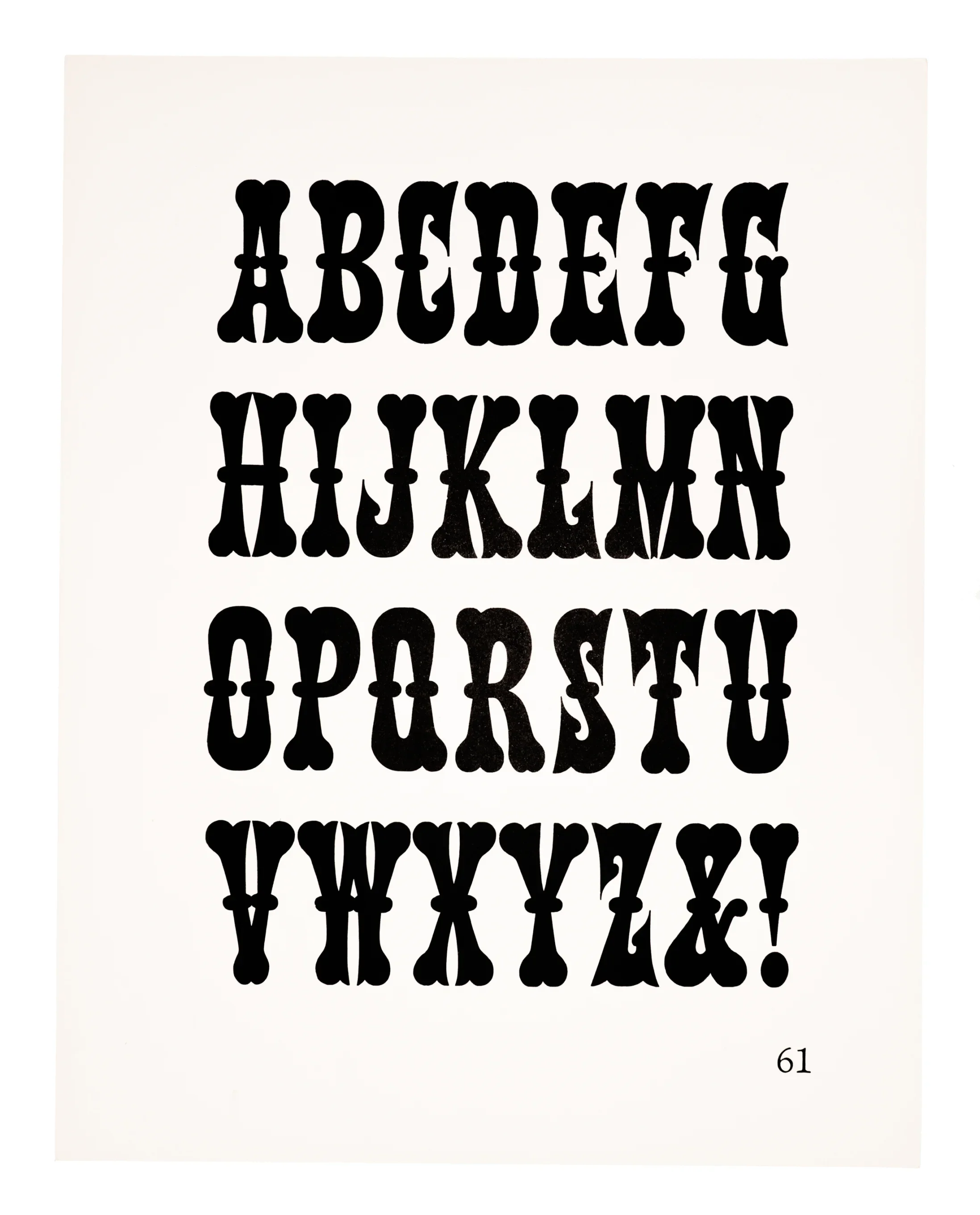
Page 61 features No.132 (20 line). -
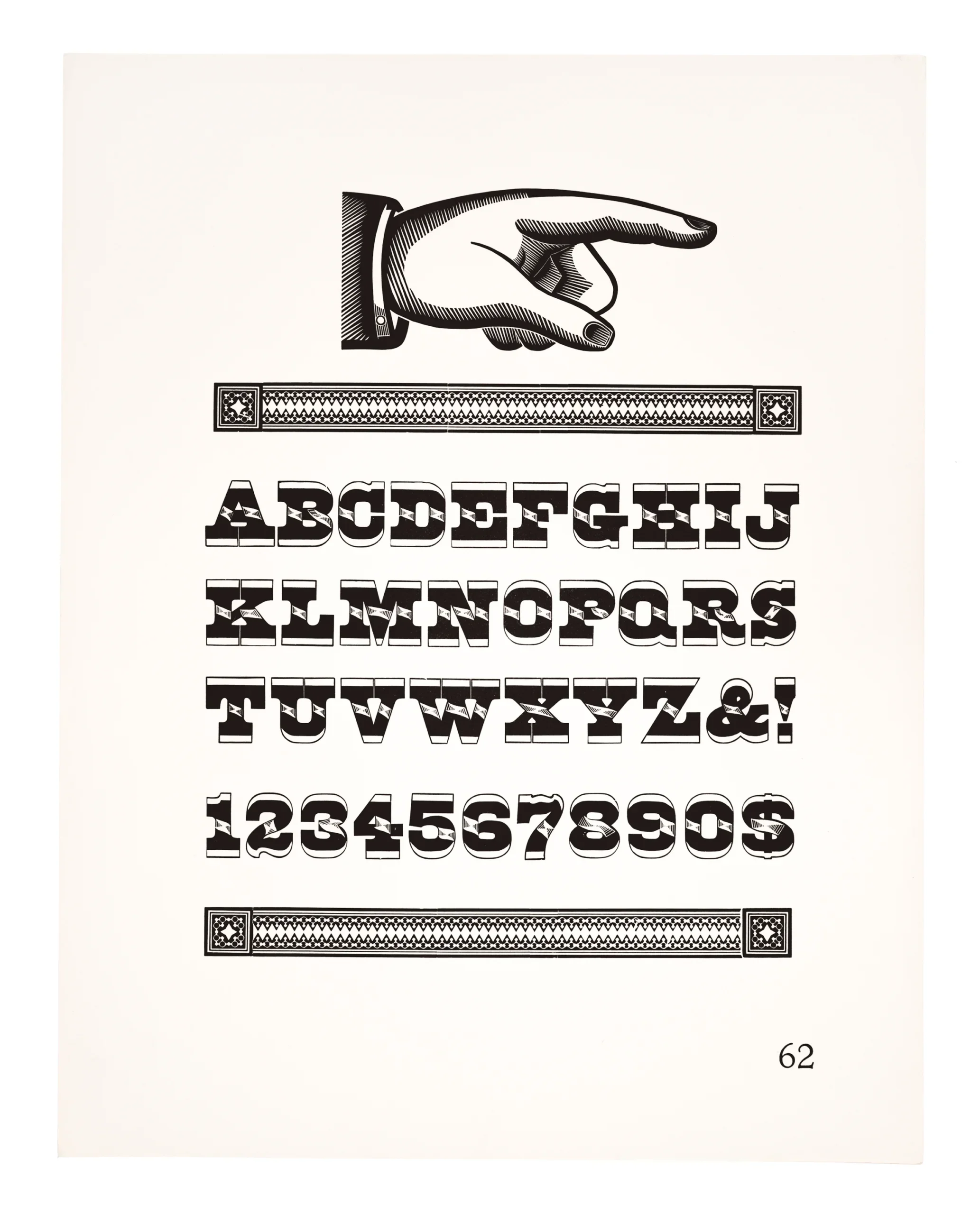
Page 62 features Aldine Ornamented (8 line). -
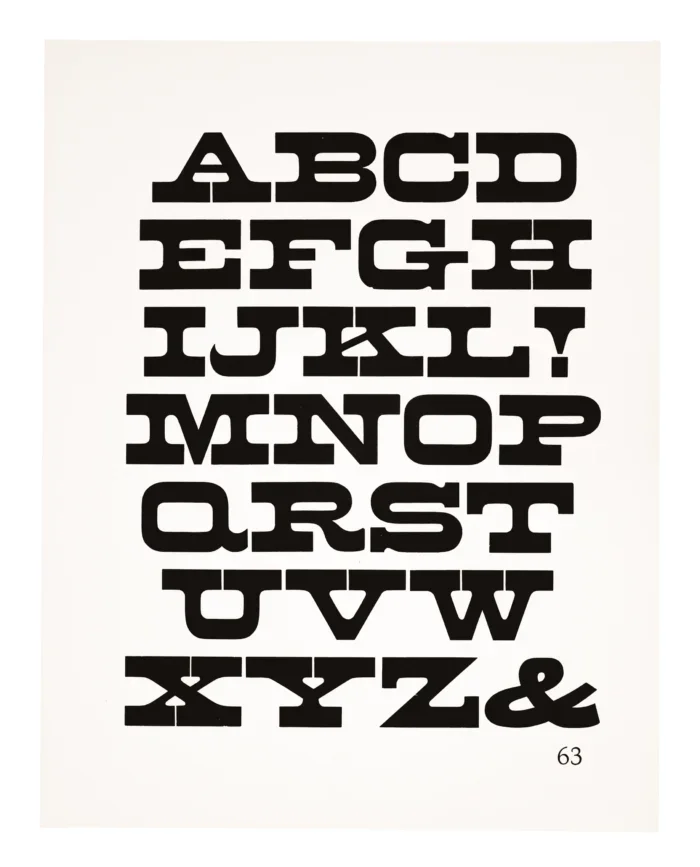
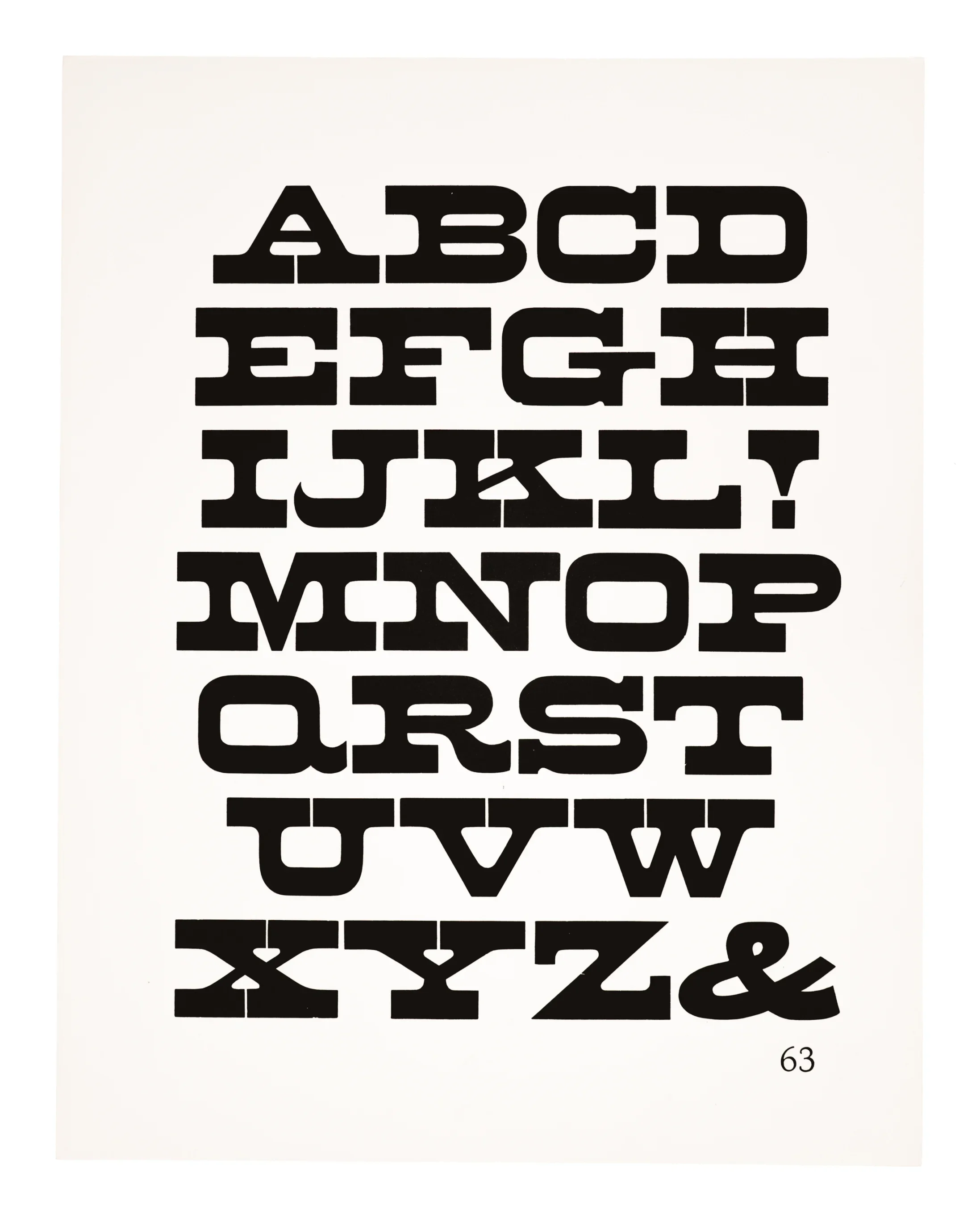
Page 63 features Aldine Expanded, 12 line. -
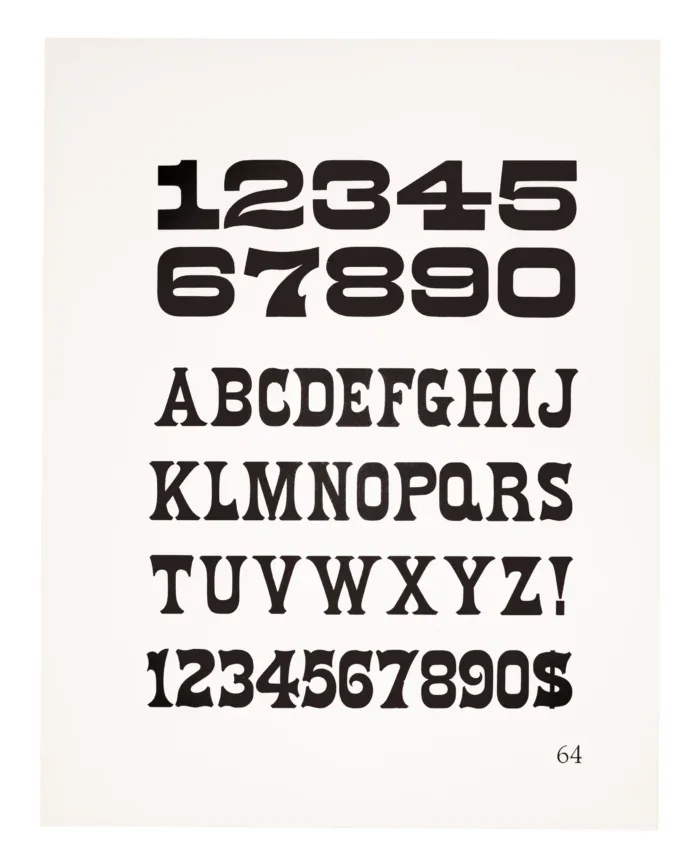
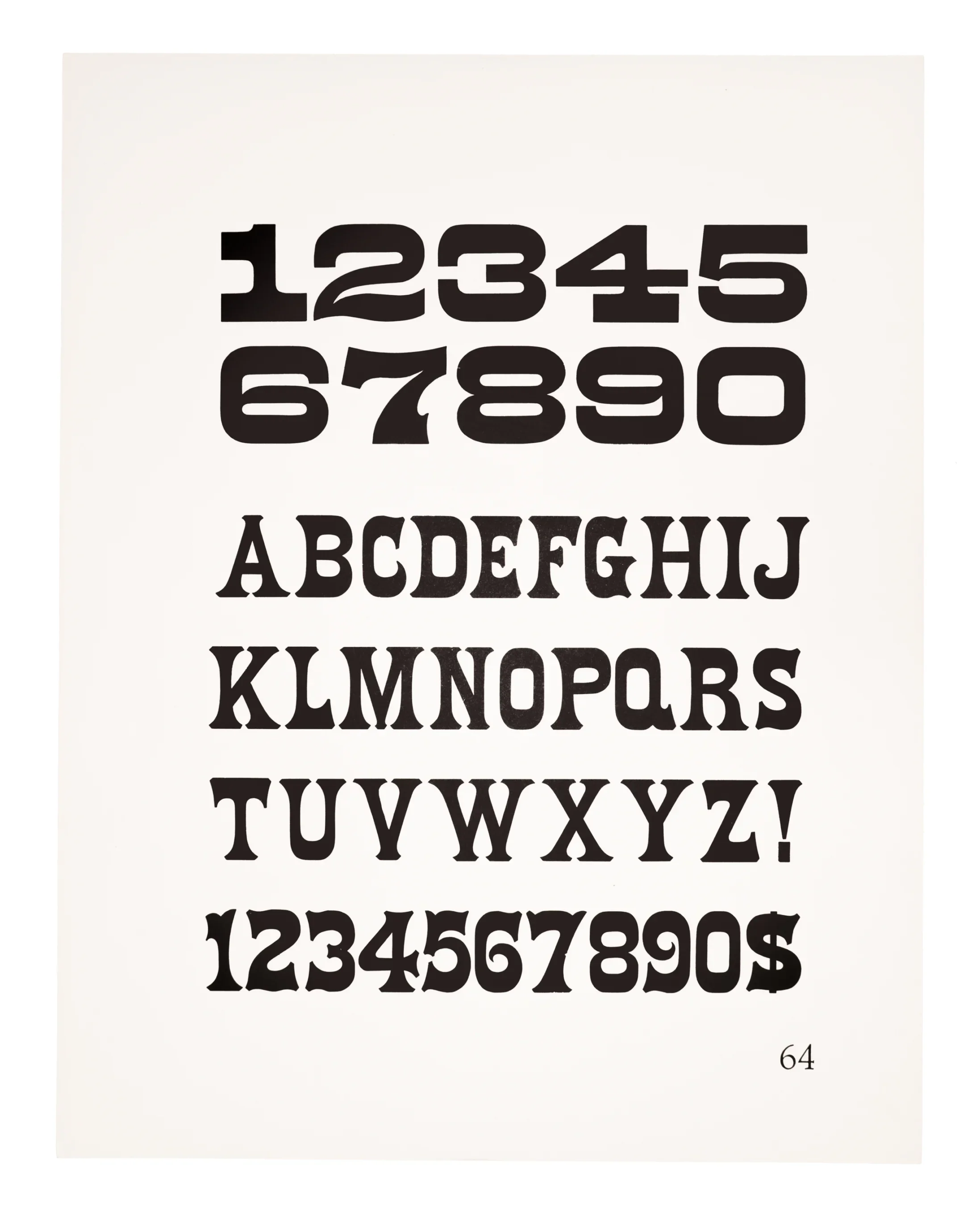
Page 64 features the number from Aldine Expanded, 12 line, and Monhagen, 10 line. -
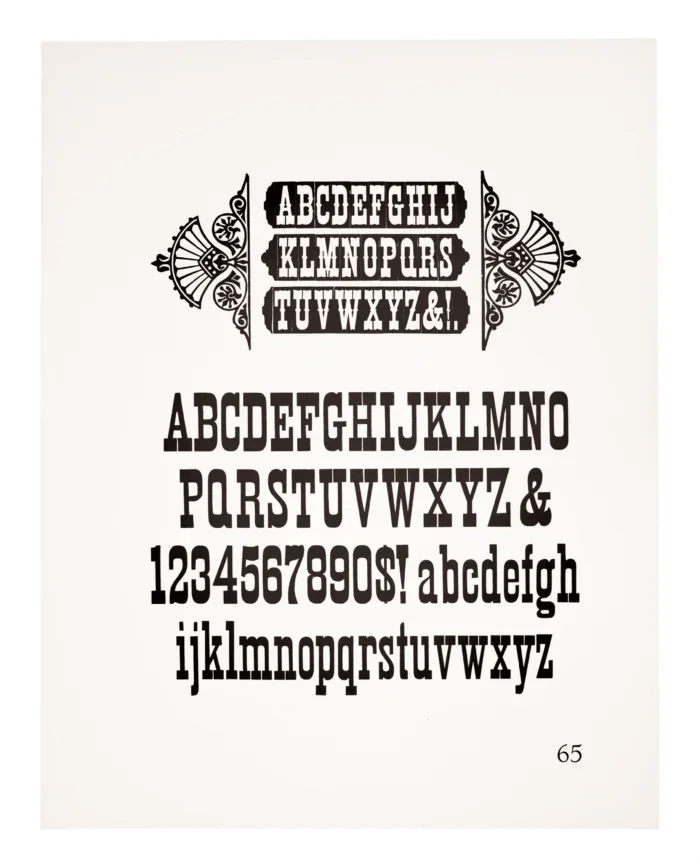
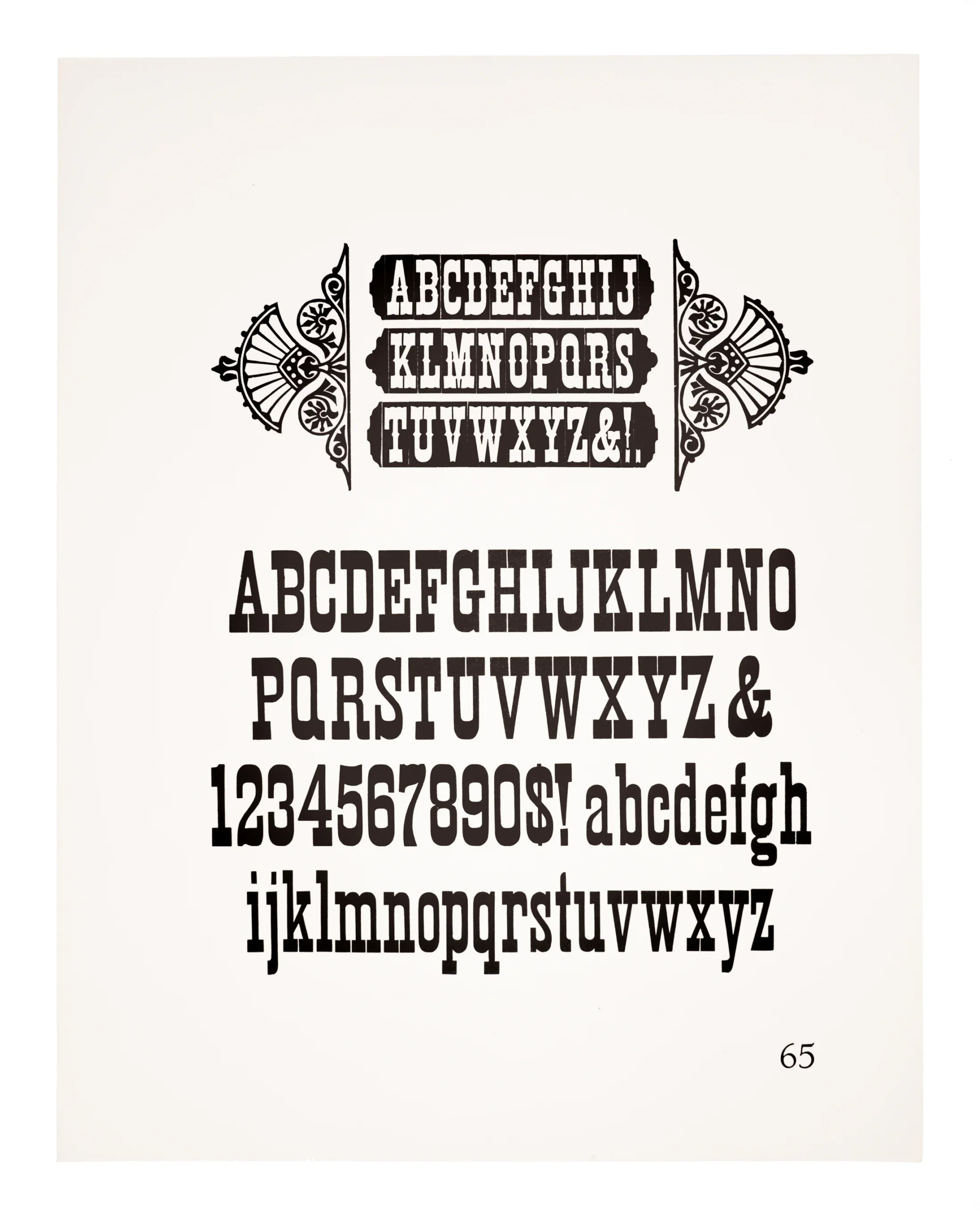
Page 65 features the number from Clarendon No. 1 (8 line), and Streamer No. 2 (8 line). -
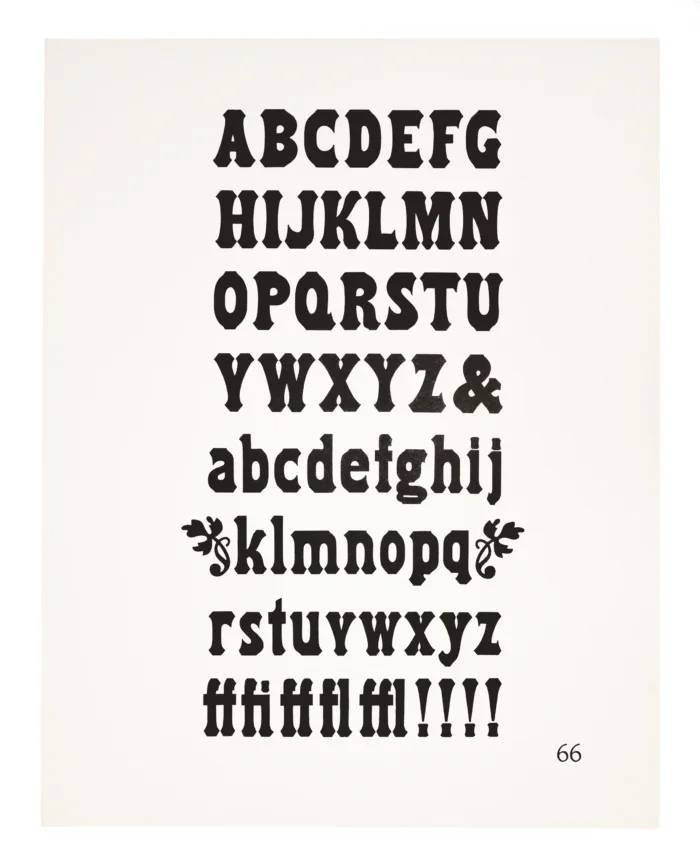
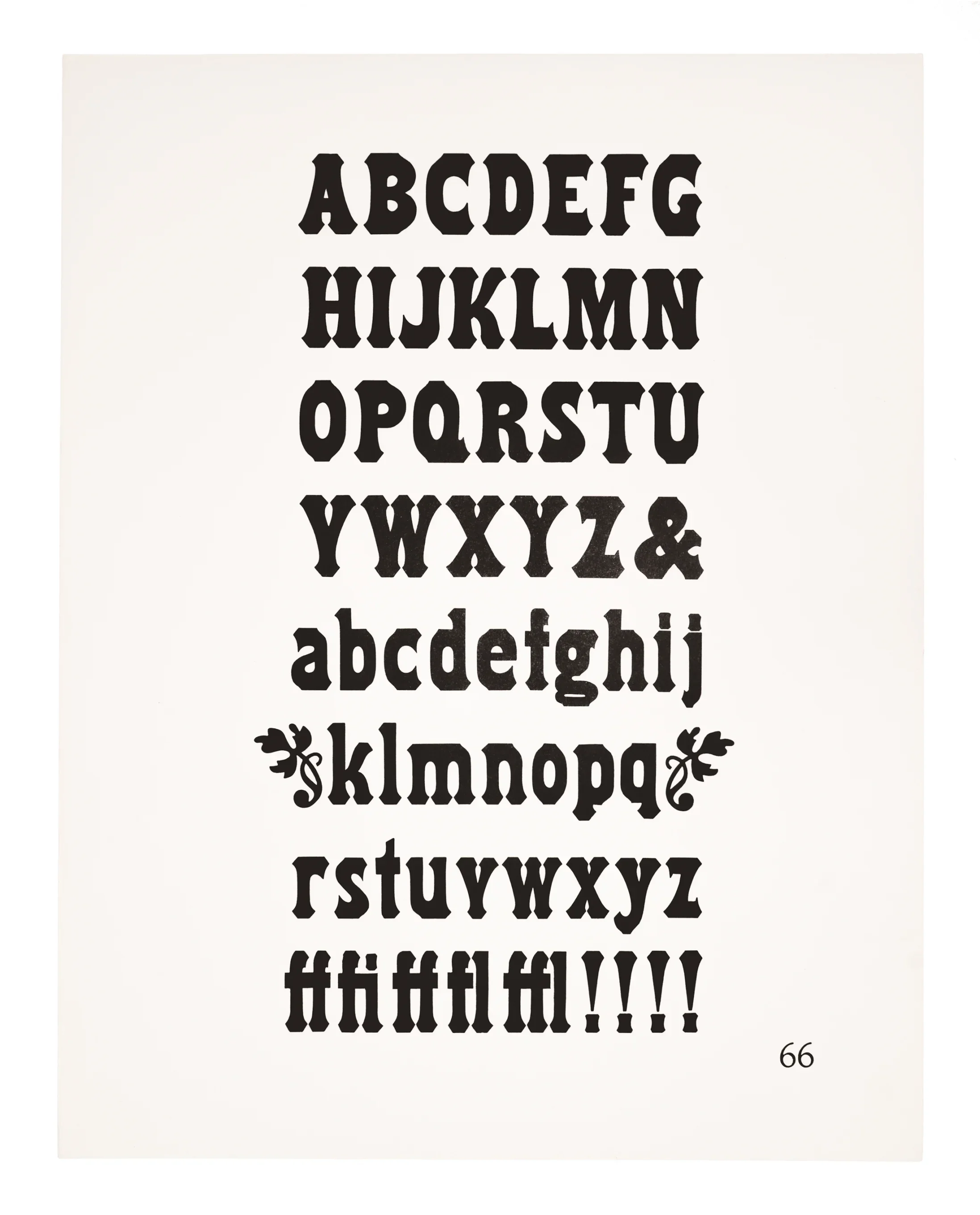
Page 66 features the number from No. 51 (Mansard), 10 line -
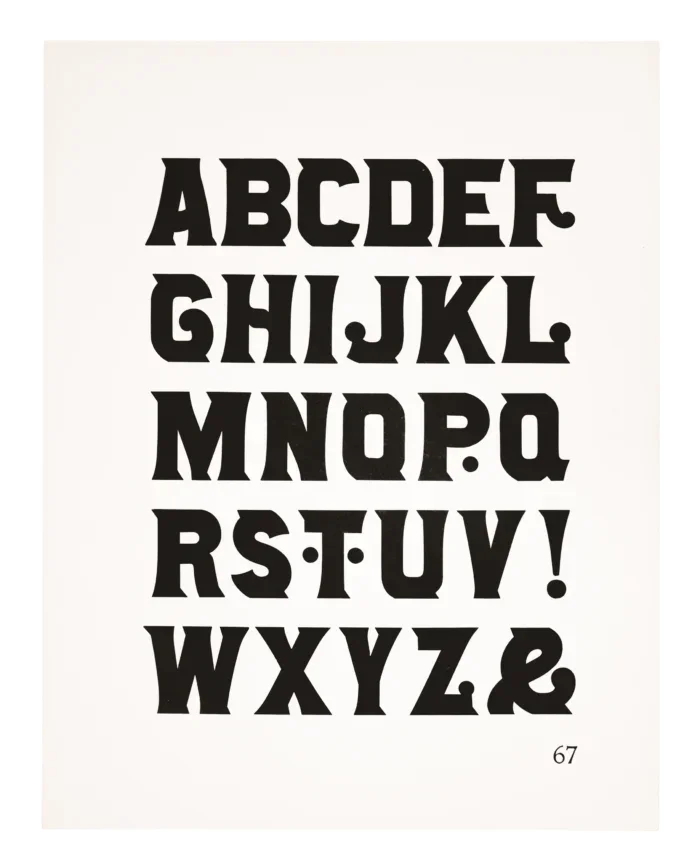
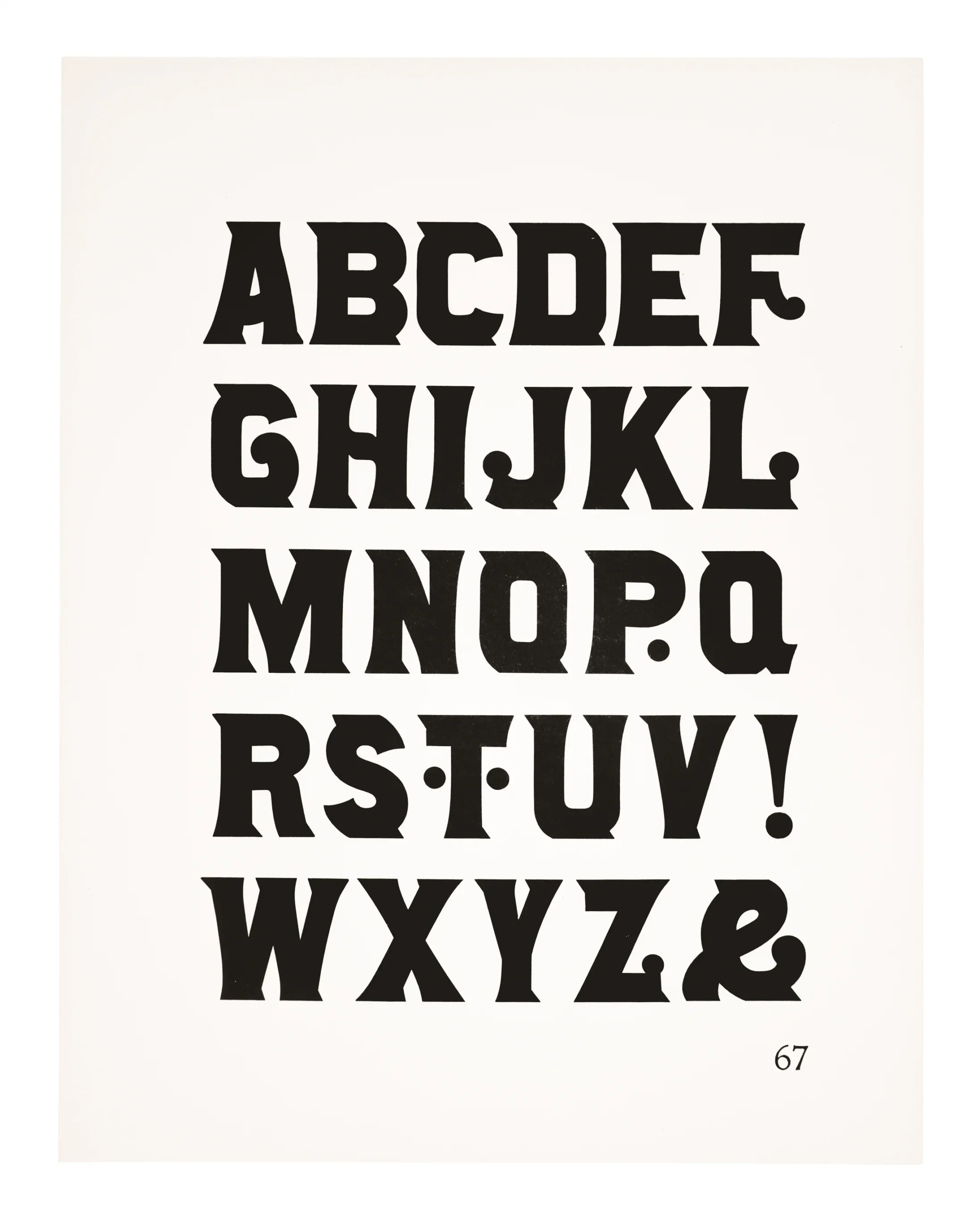
Page 67 features the number from No. 514, 15 line. -
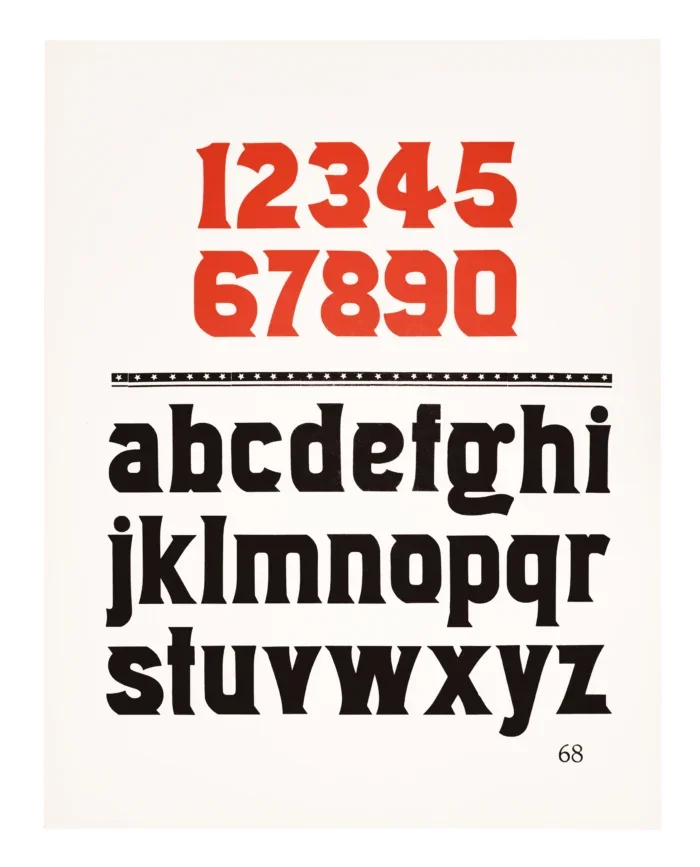
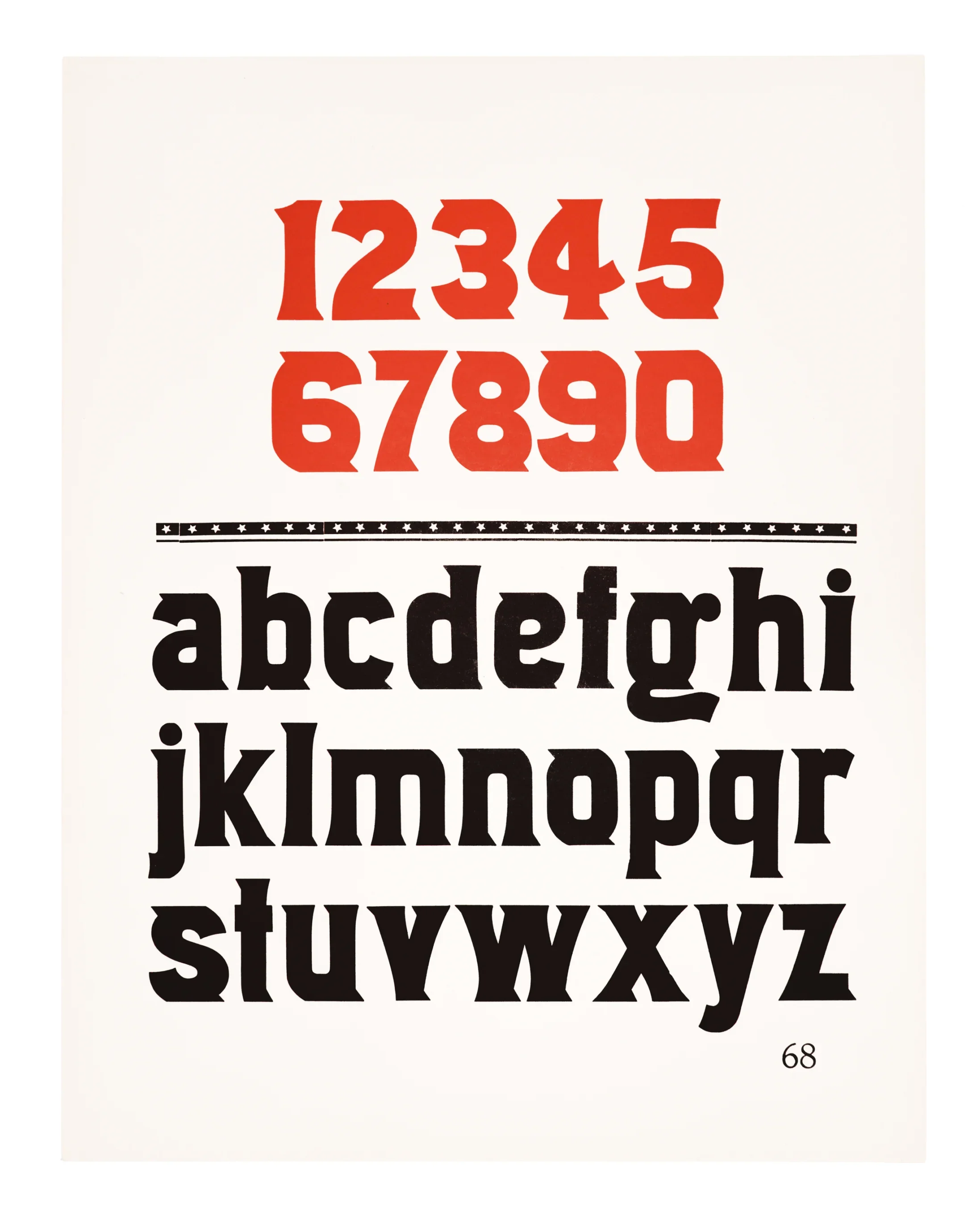
Page 68 features the number from No. 514, 15 line. -
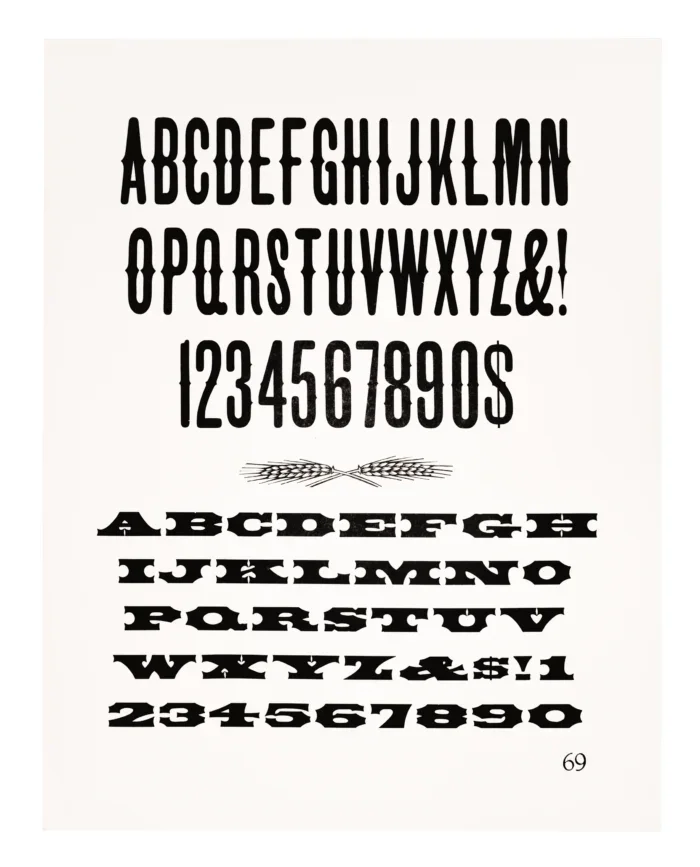
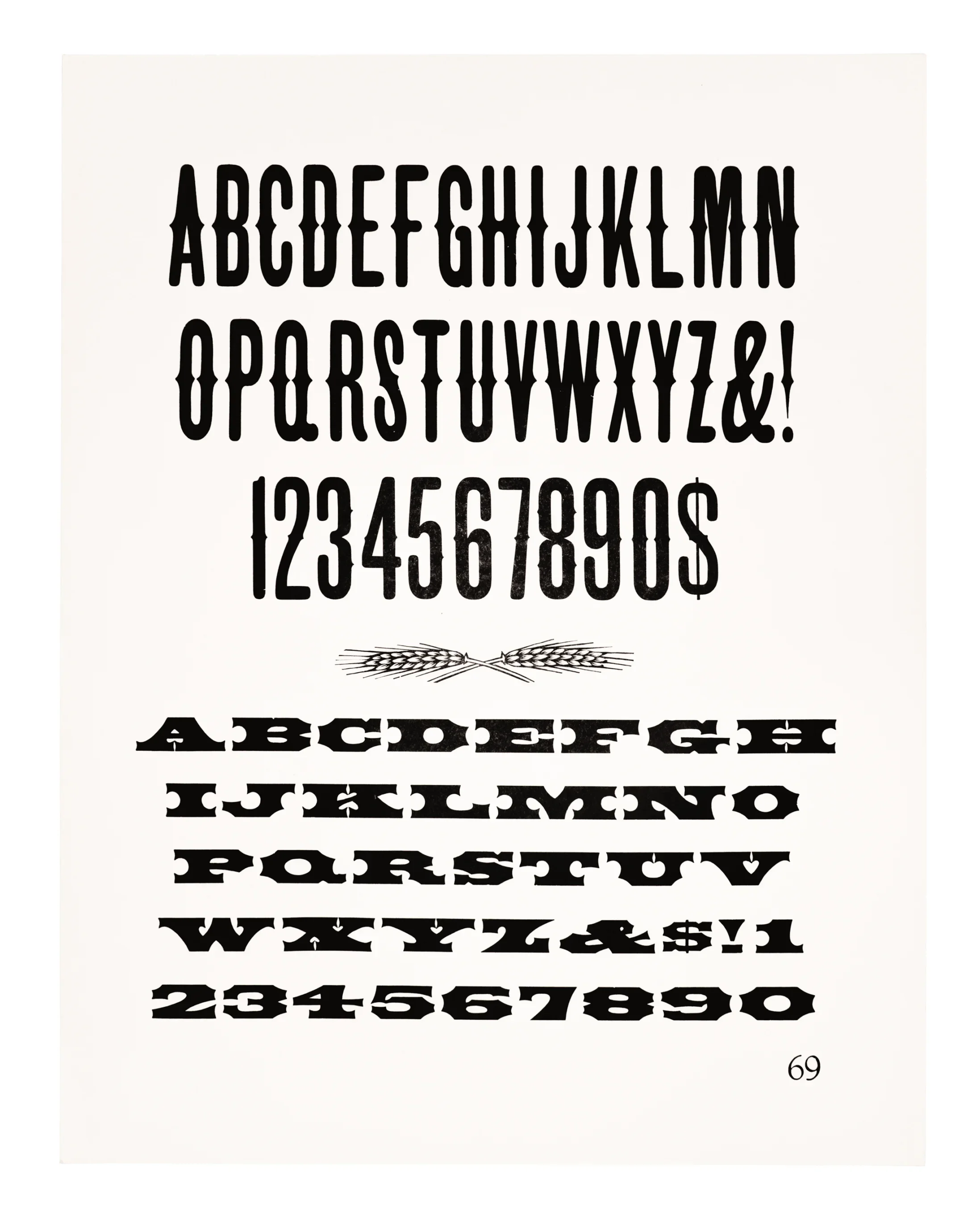
Page 69 features the number from Gothic Tuscan No.1, 15 line, and Antique Tuscan Extended, 4 line. -
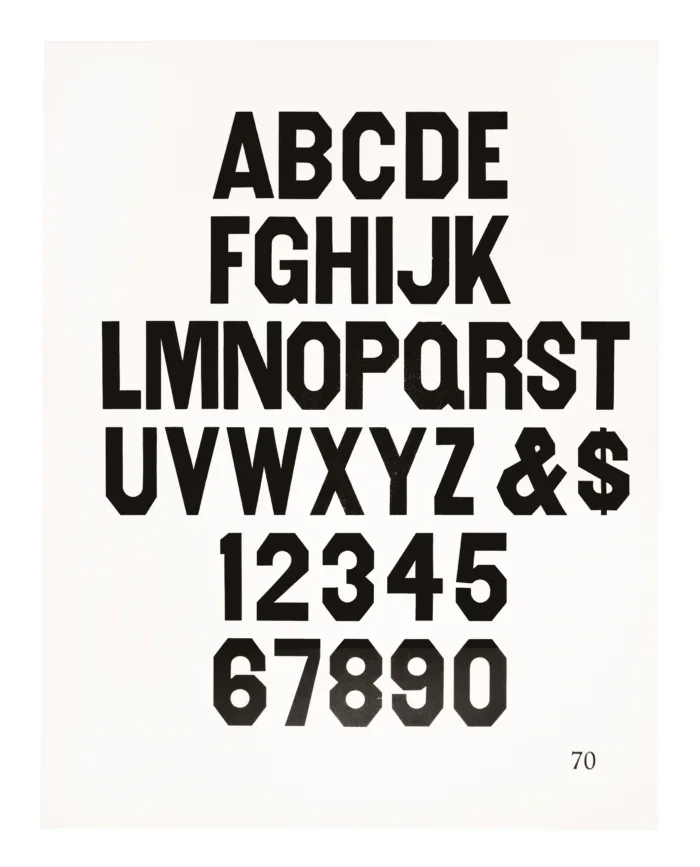
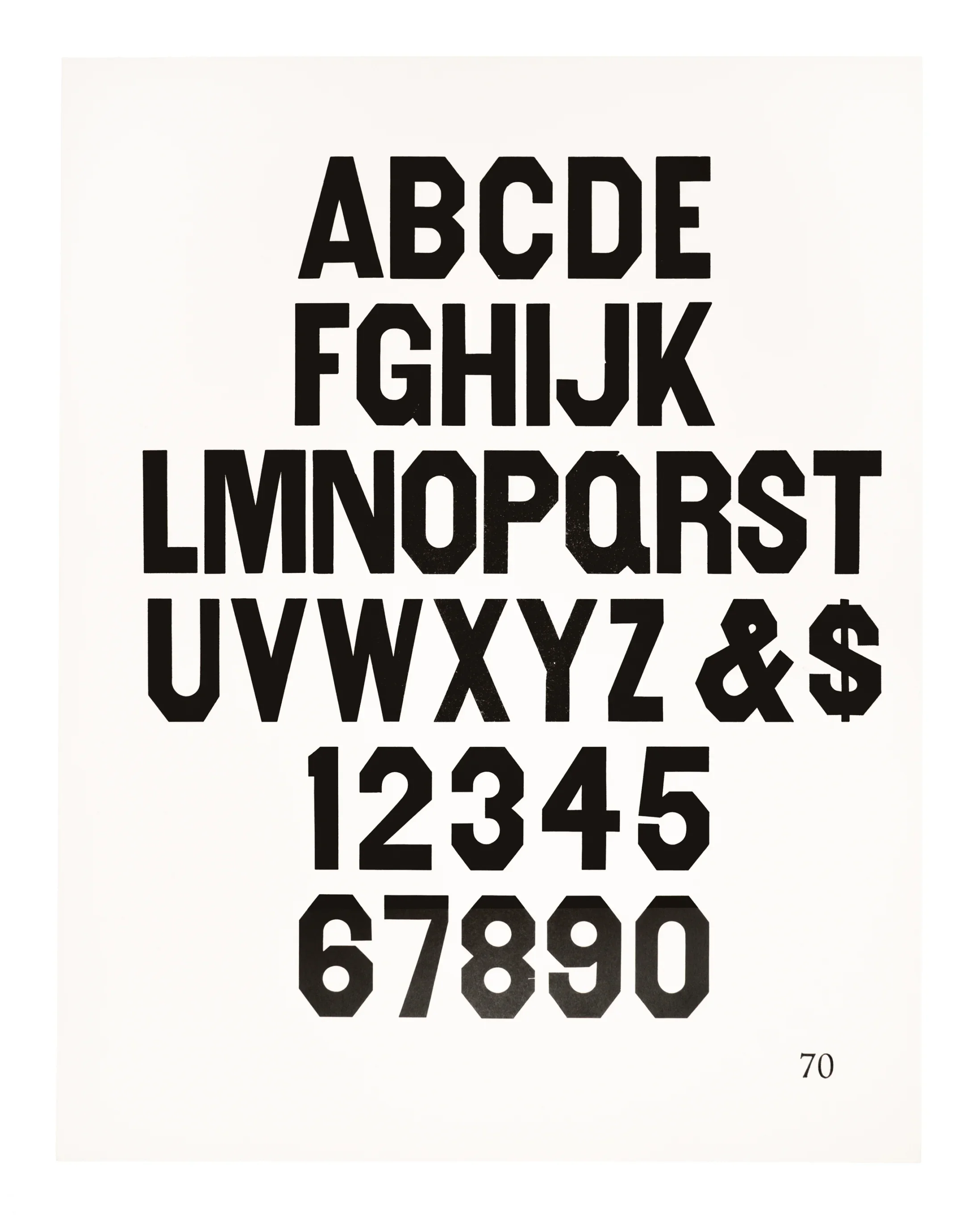
Page 70 features the number from Ancient Gothic, (Gothic Condensed Light Face, No. 2, Gothic Condensed No. 6, No. 133) 15 line. -
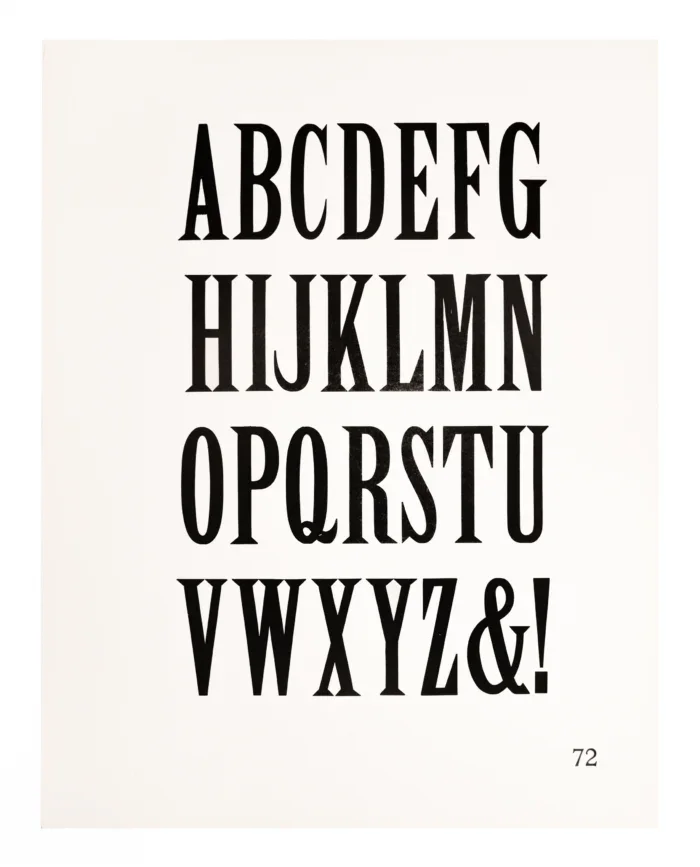
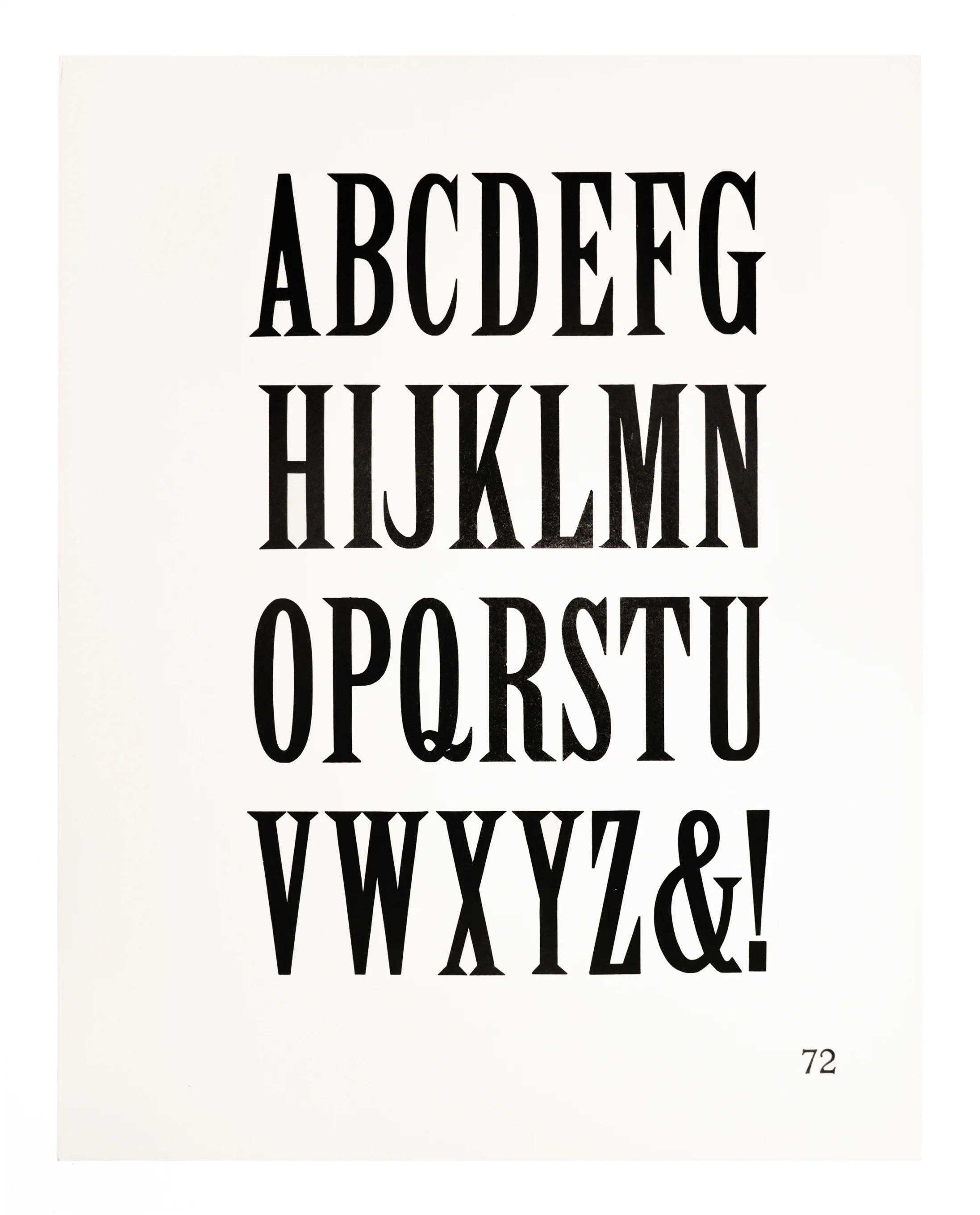
Page 72 features the number from No. 129, (Latin; Peerless, Old Style Antique Condensed) 20 line. -
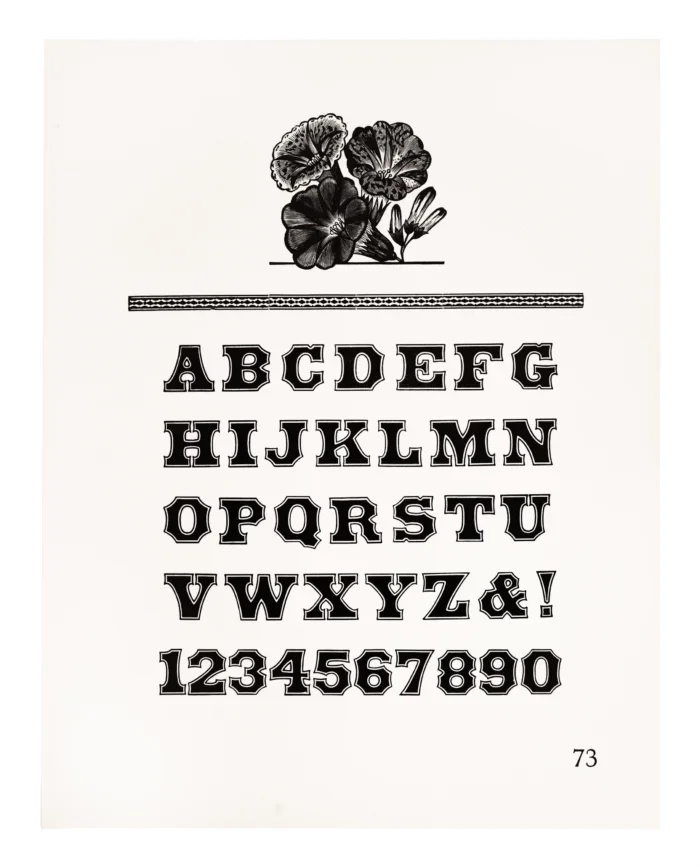
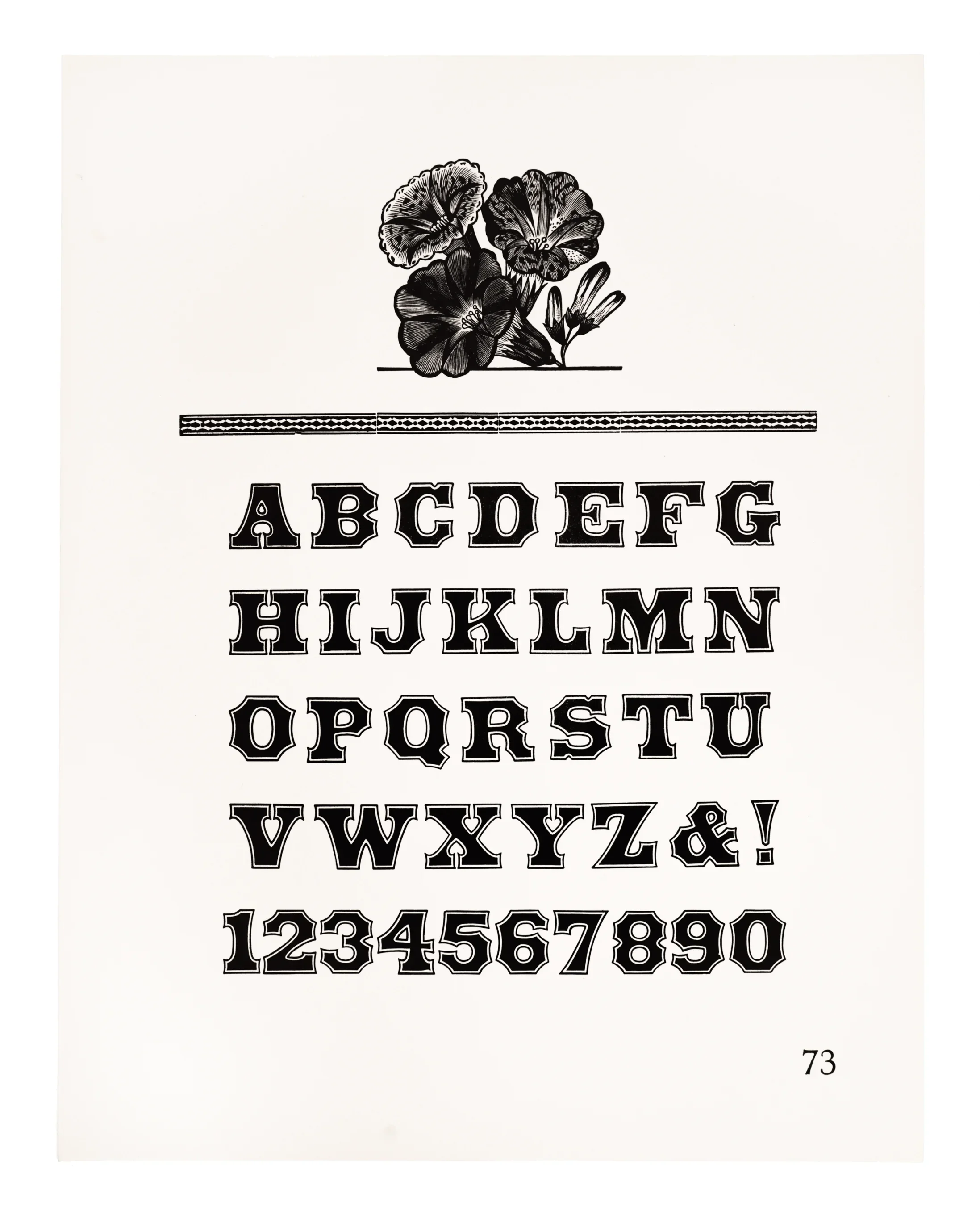
Page 73 features the number from Antique Tuscan Open, 8 line. -
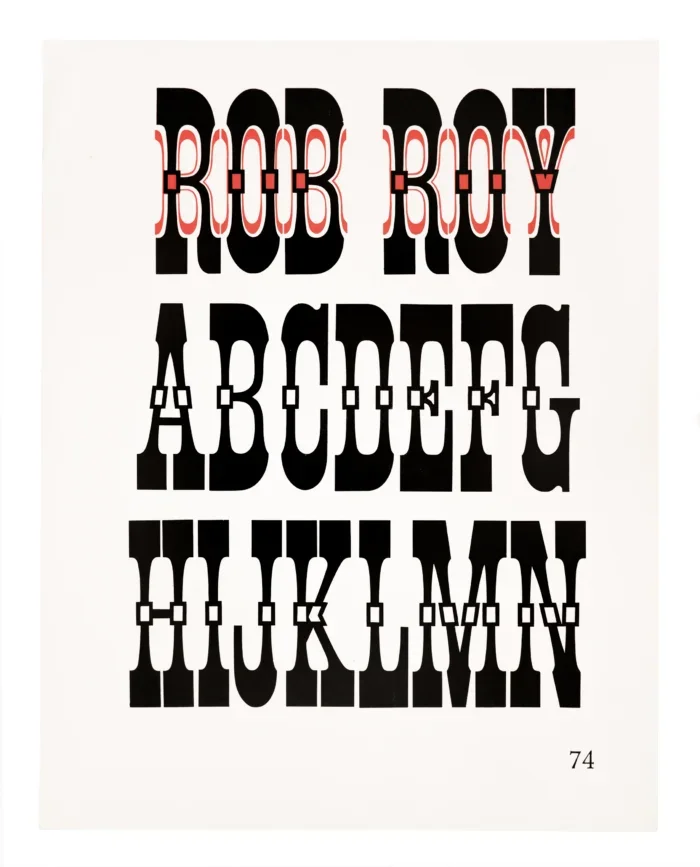
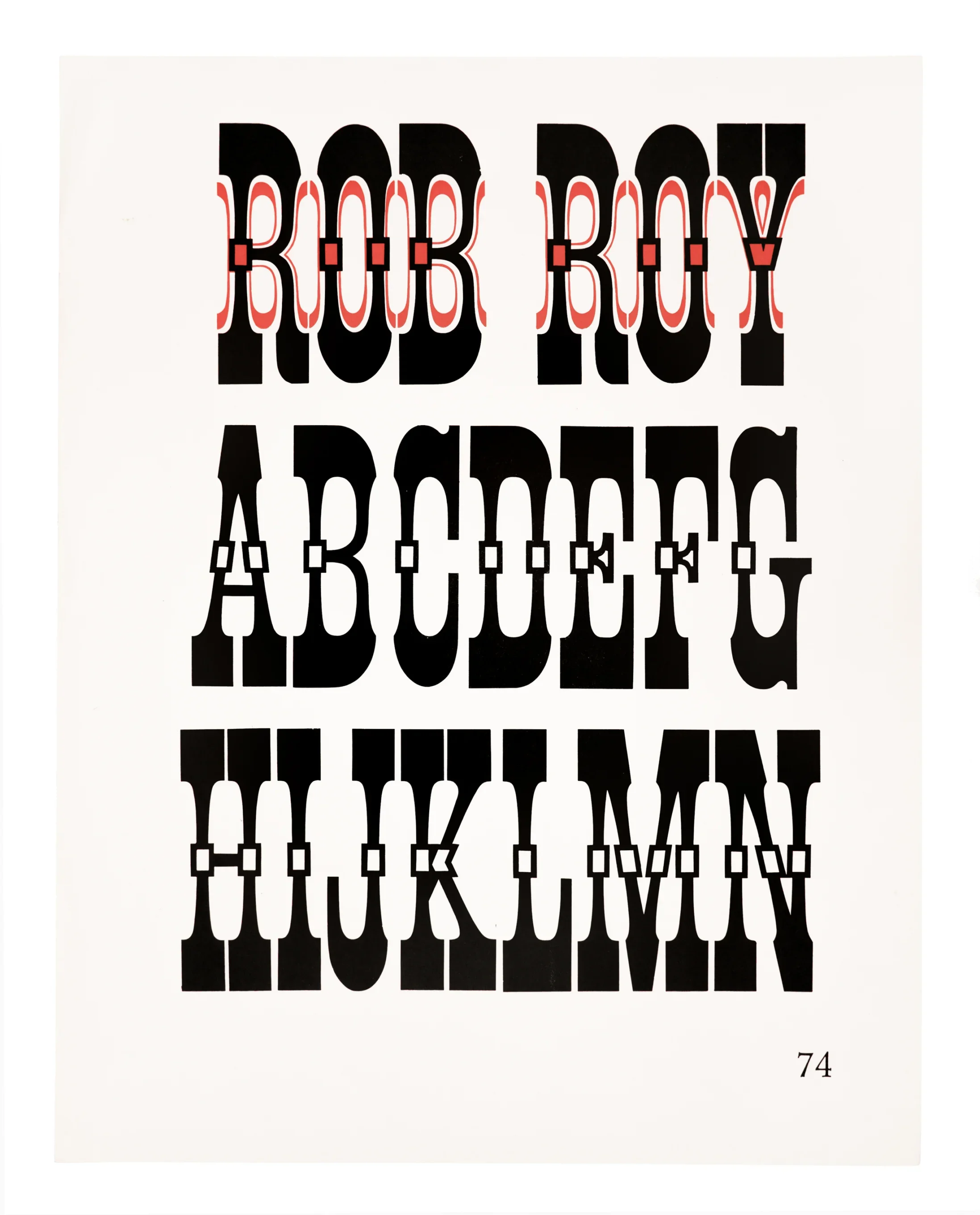
Page 74 features the number from Celtic (Ornamented) Chromatic, 34 line. -
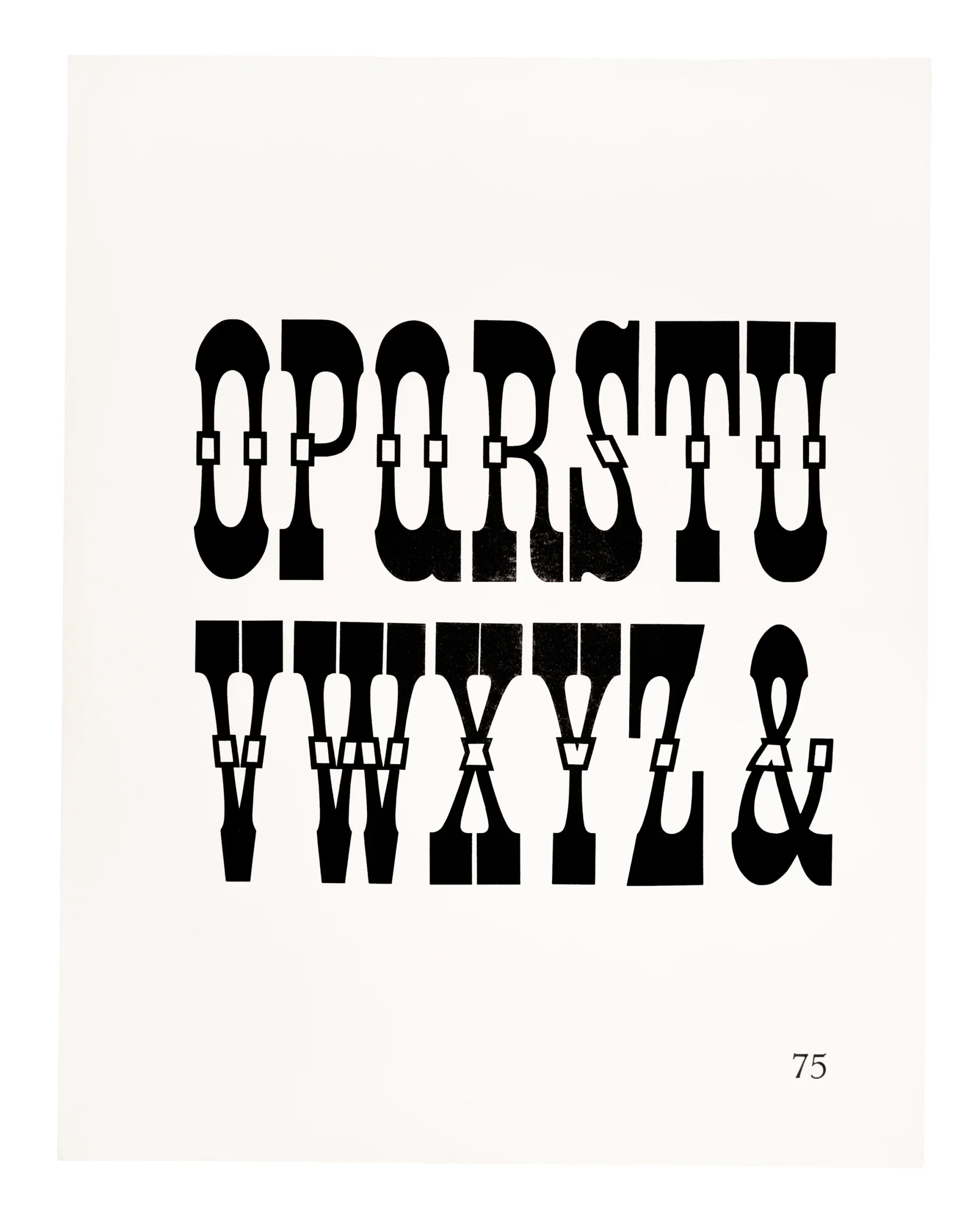
Page 75 features the number from Celtic (Ornamented) Chromatic, 34 line. -
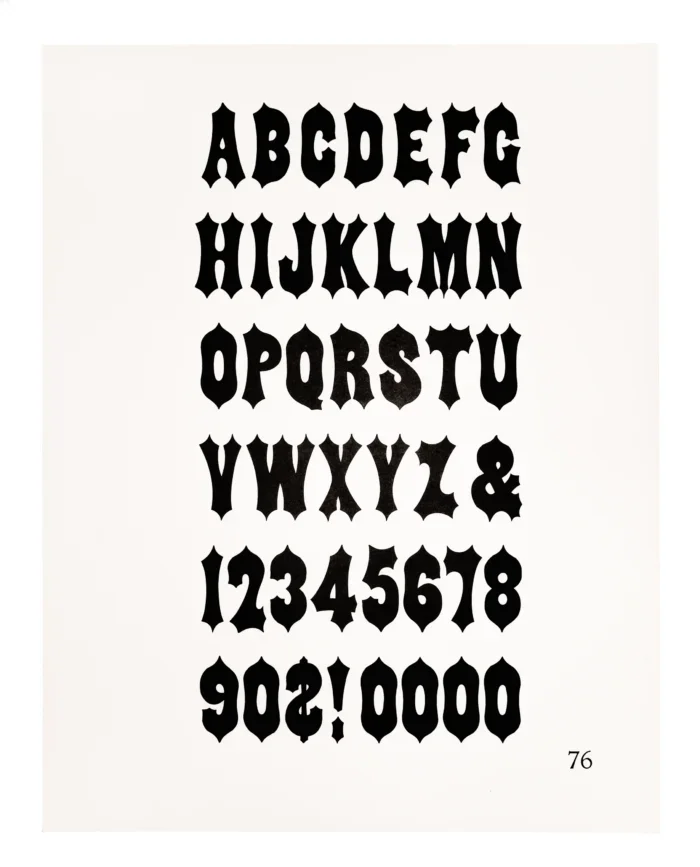
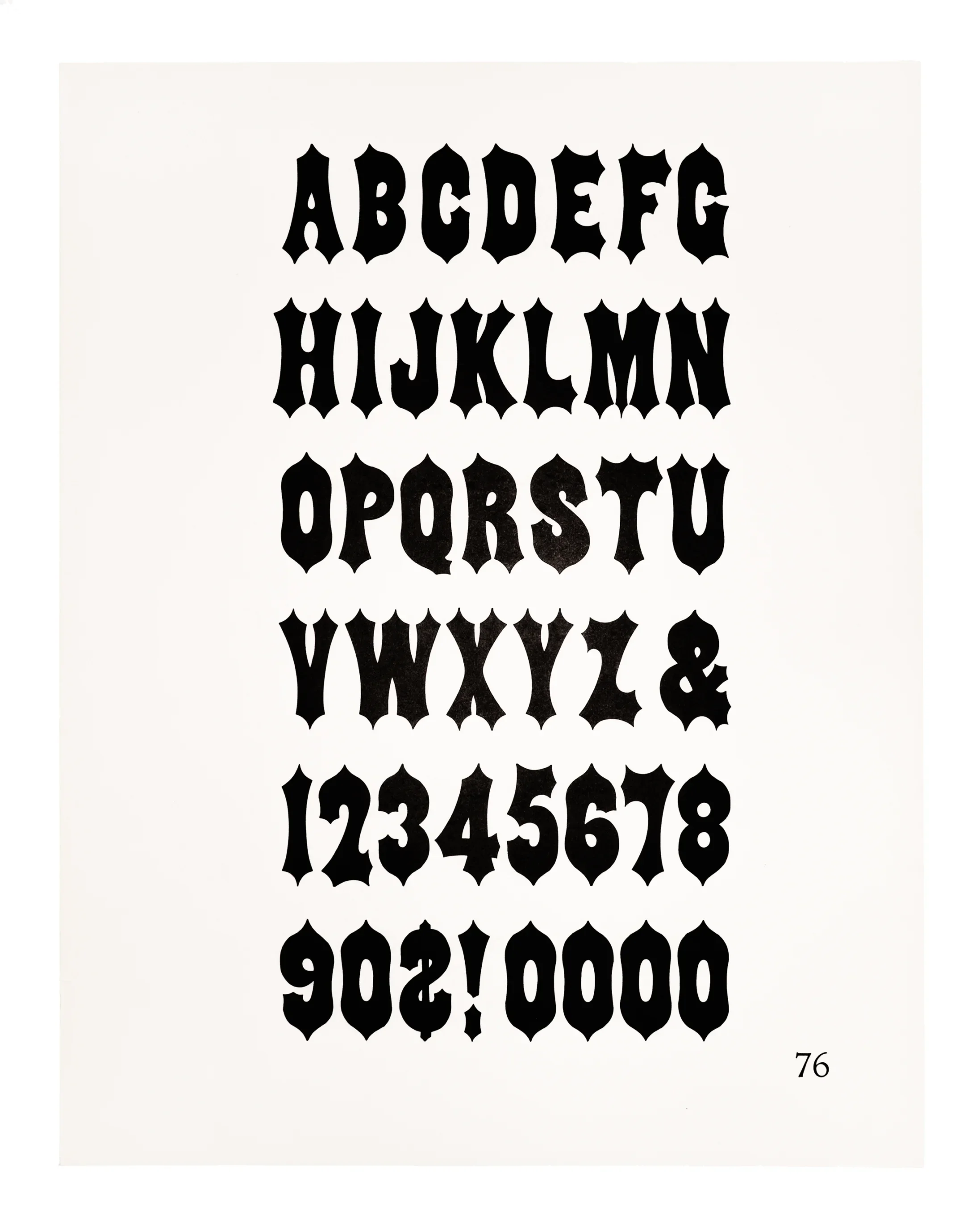
Page 76 features the number from Tuscan Italian, 15 line. -
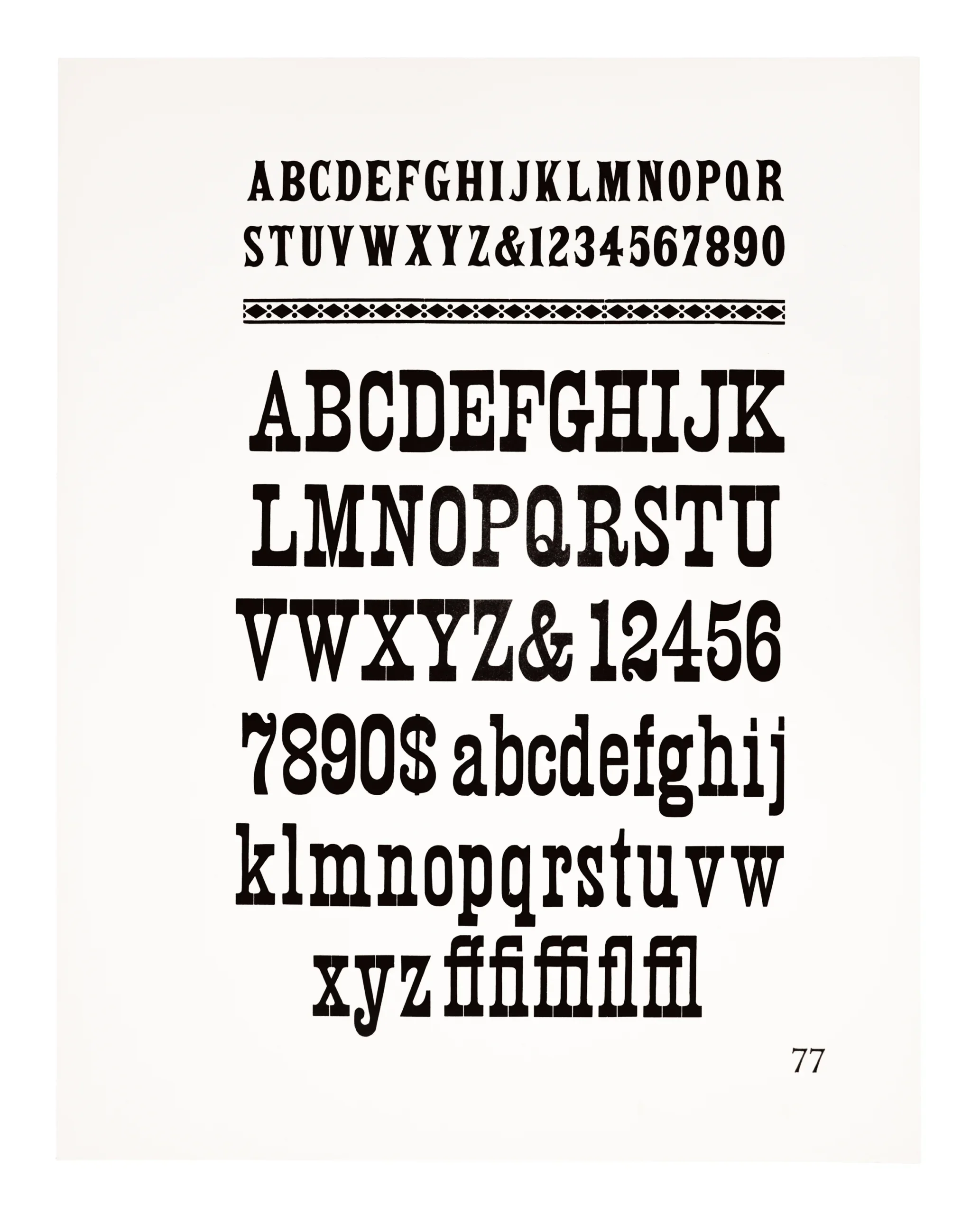
Page 77 features the number from Runic, 5 line, and Egyptian, 10 line. -
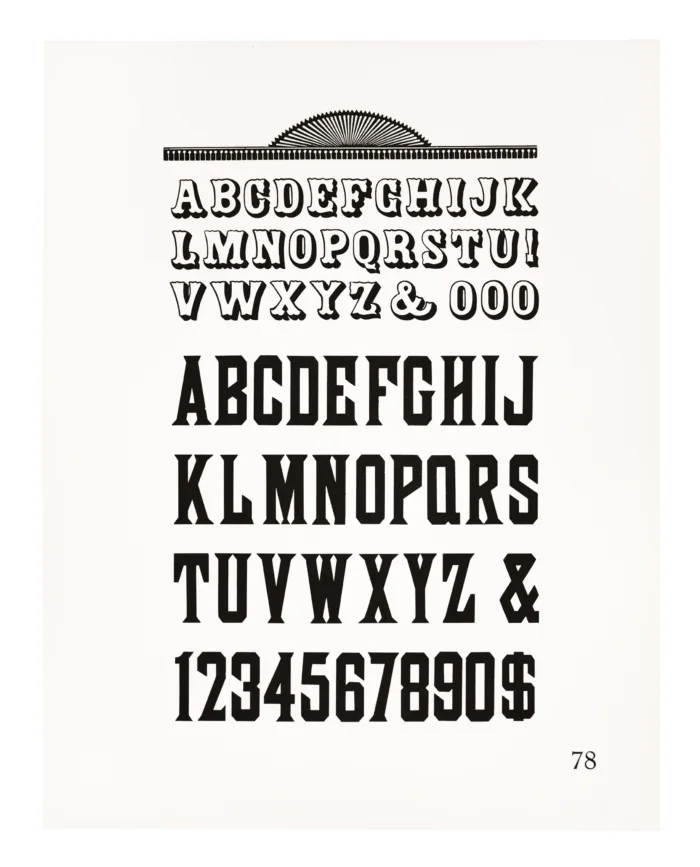
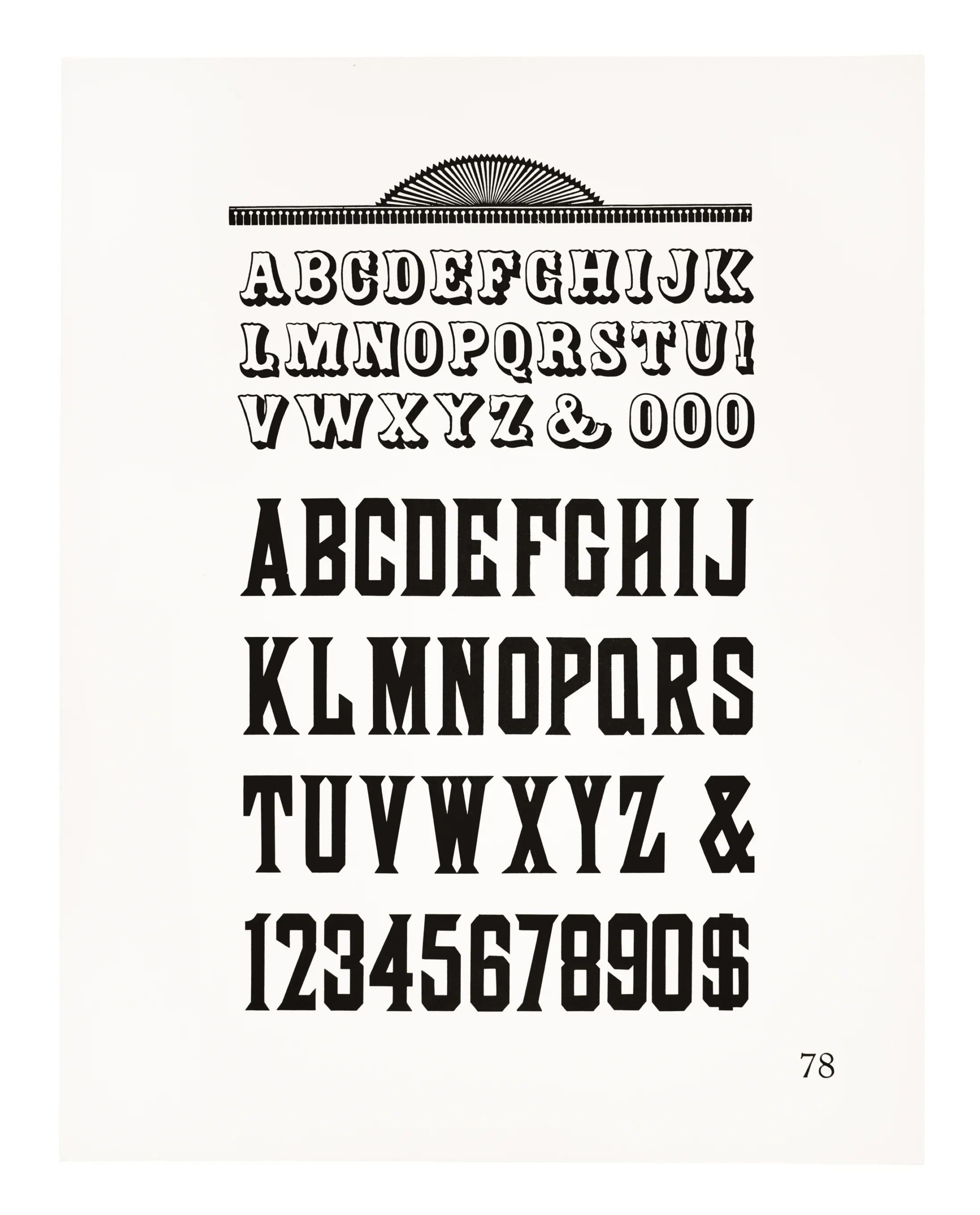
Page 78 features the number from Doric, (chromatic) 7 line, and No. 500, 12 line. -
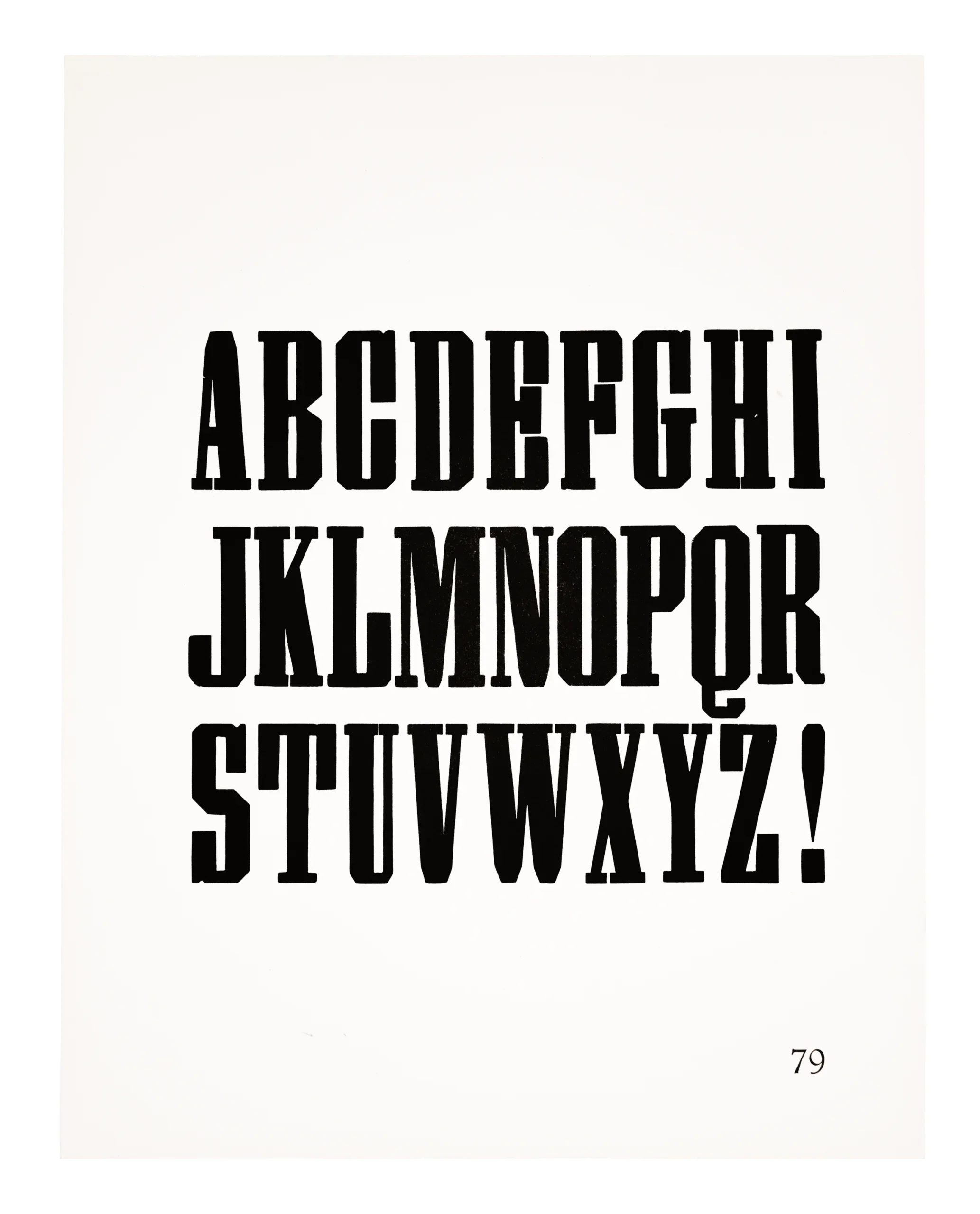
Page 79 features the number from Grecian X Condensed, (20 line) 19.5 line. -
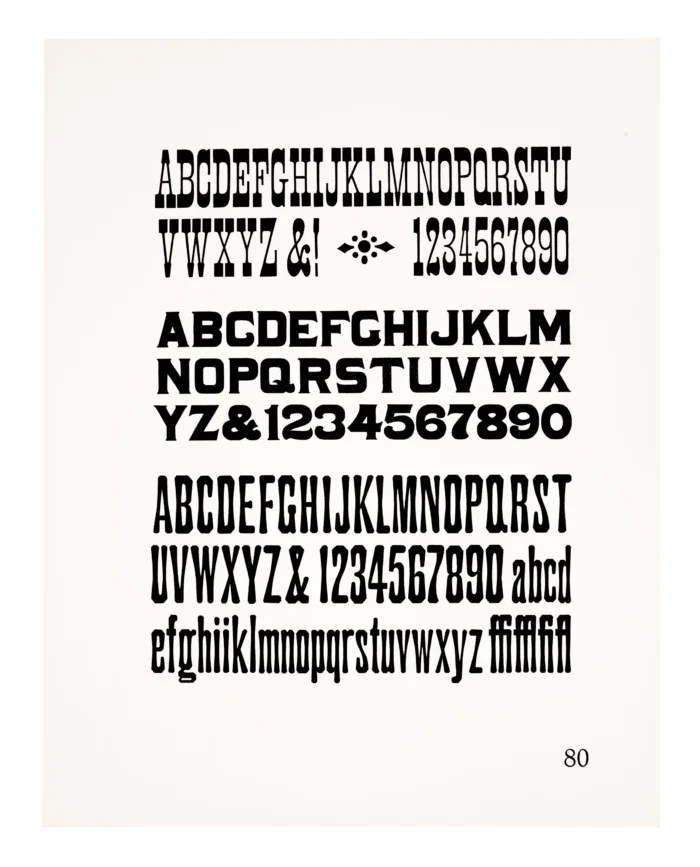
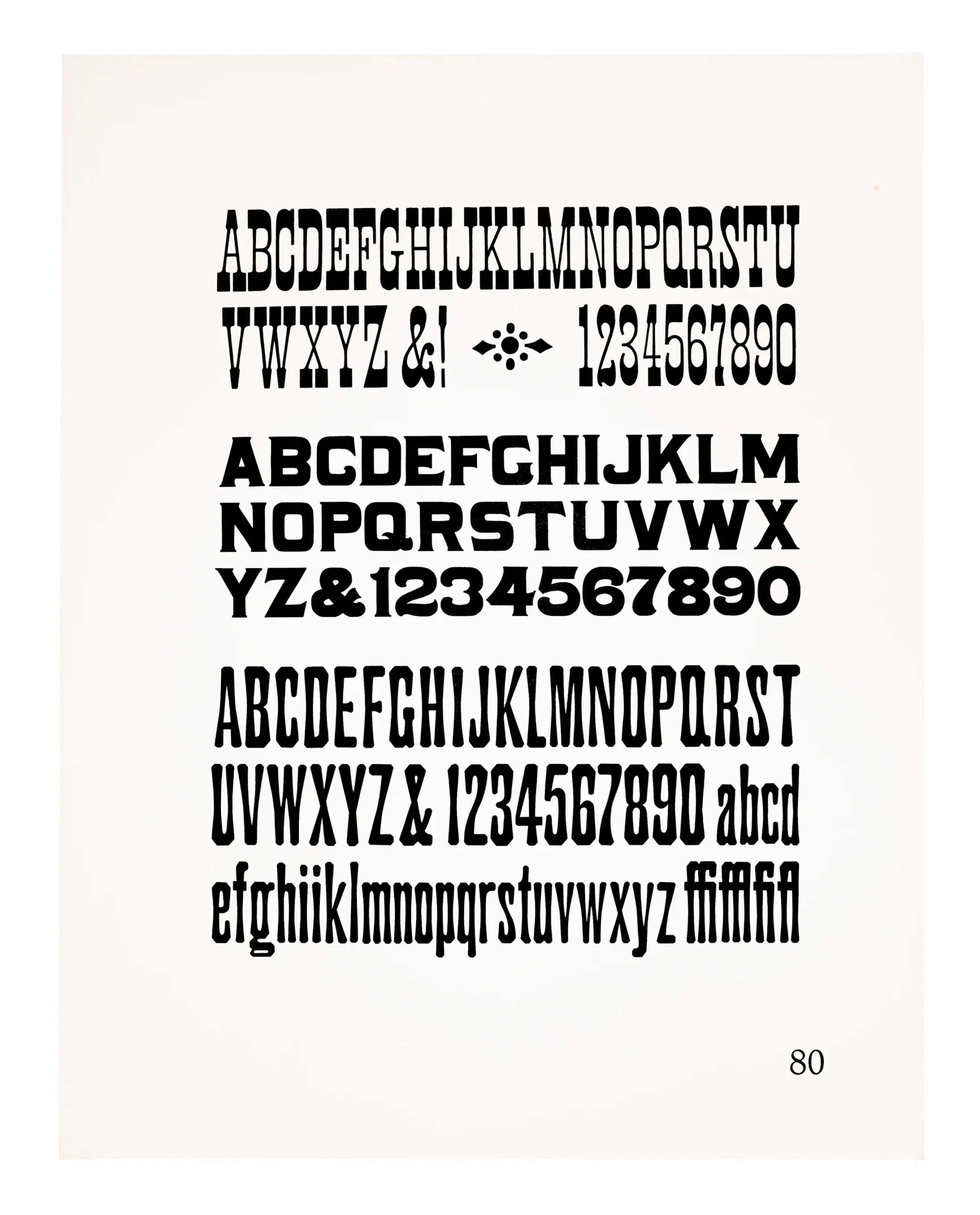
Page 80 features the number from Belgian, 10 line, Courier, 6 line, and No. 142, (Beveled) 10 line. -
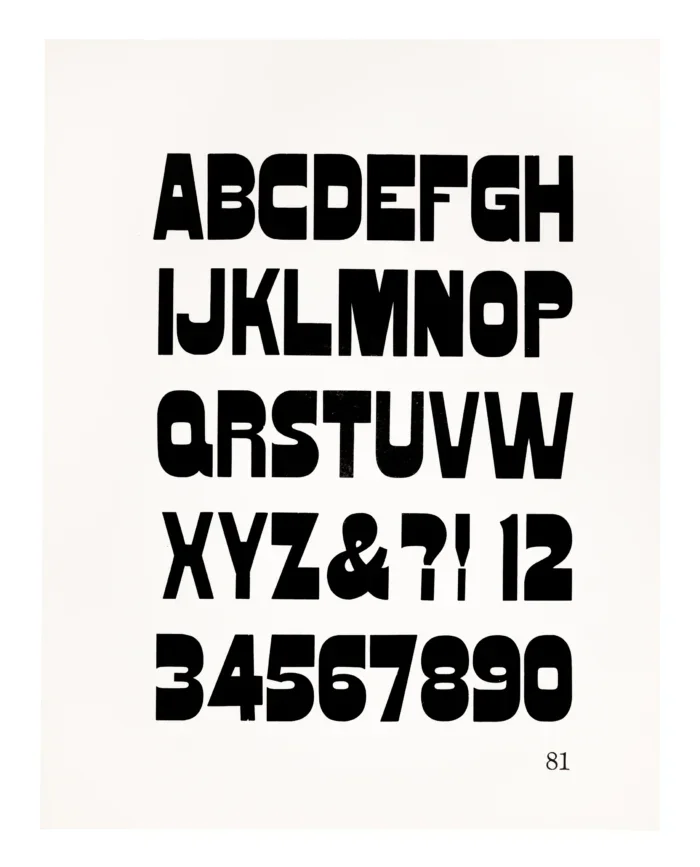
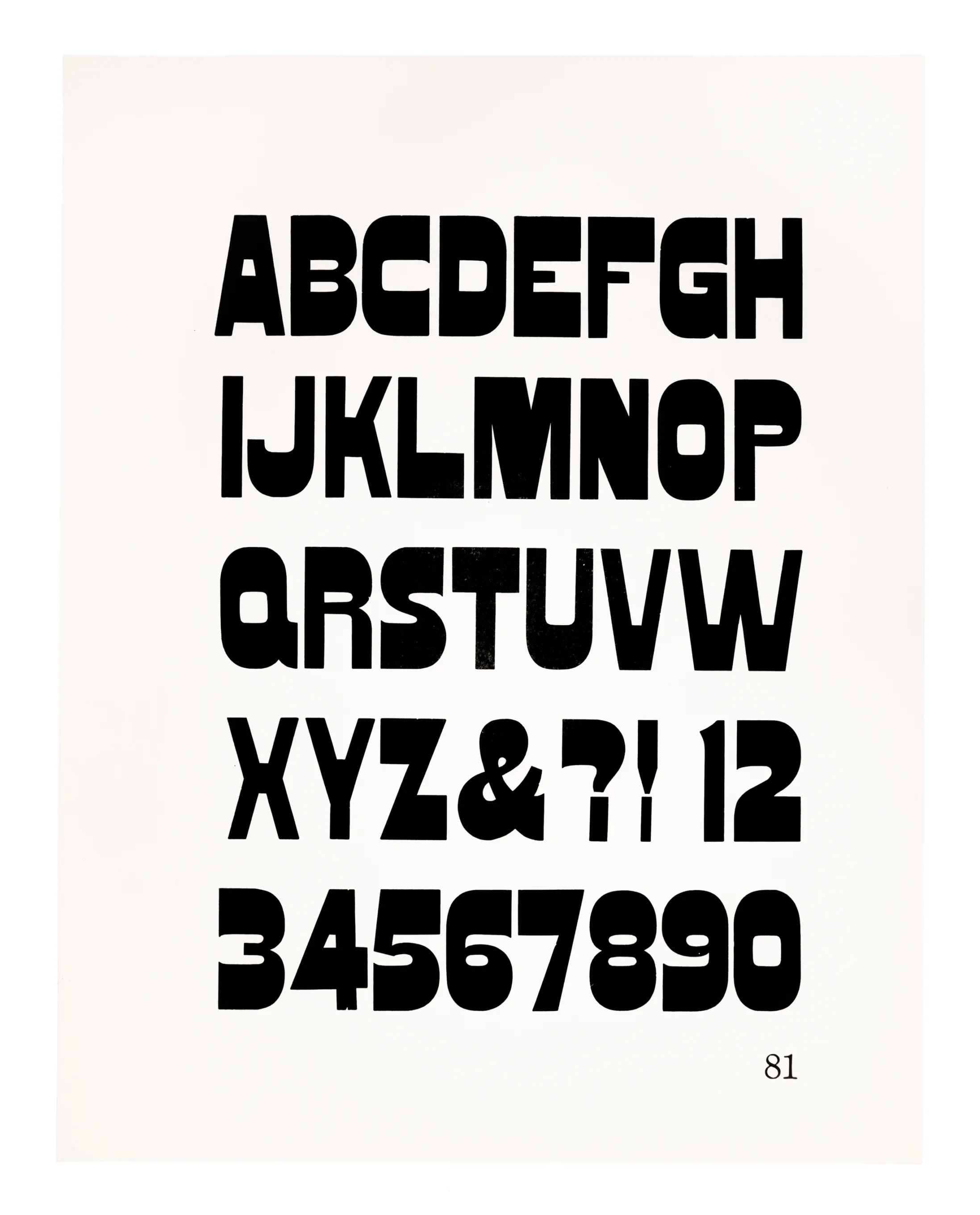
Page 81 features the number from Gothic Bold, 15 line. -
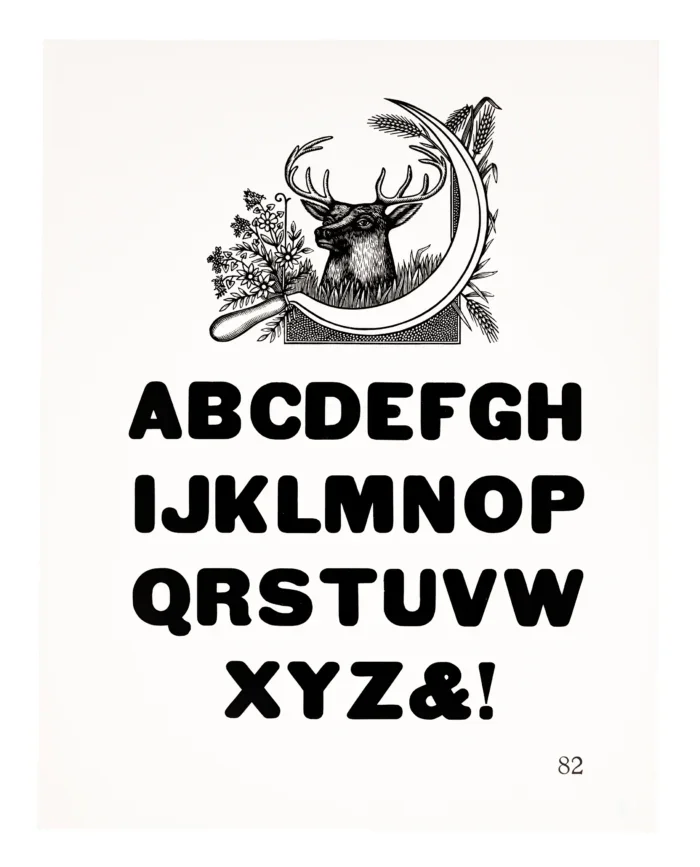
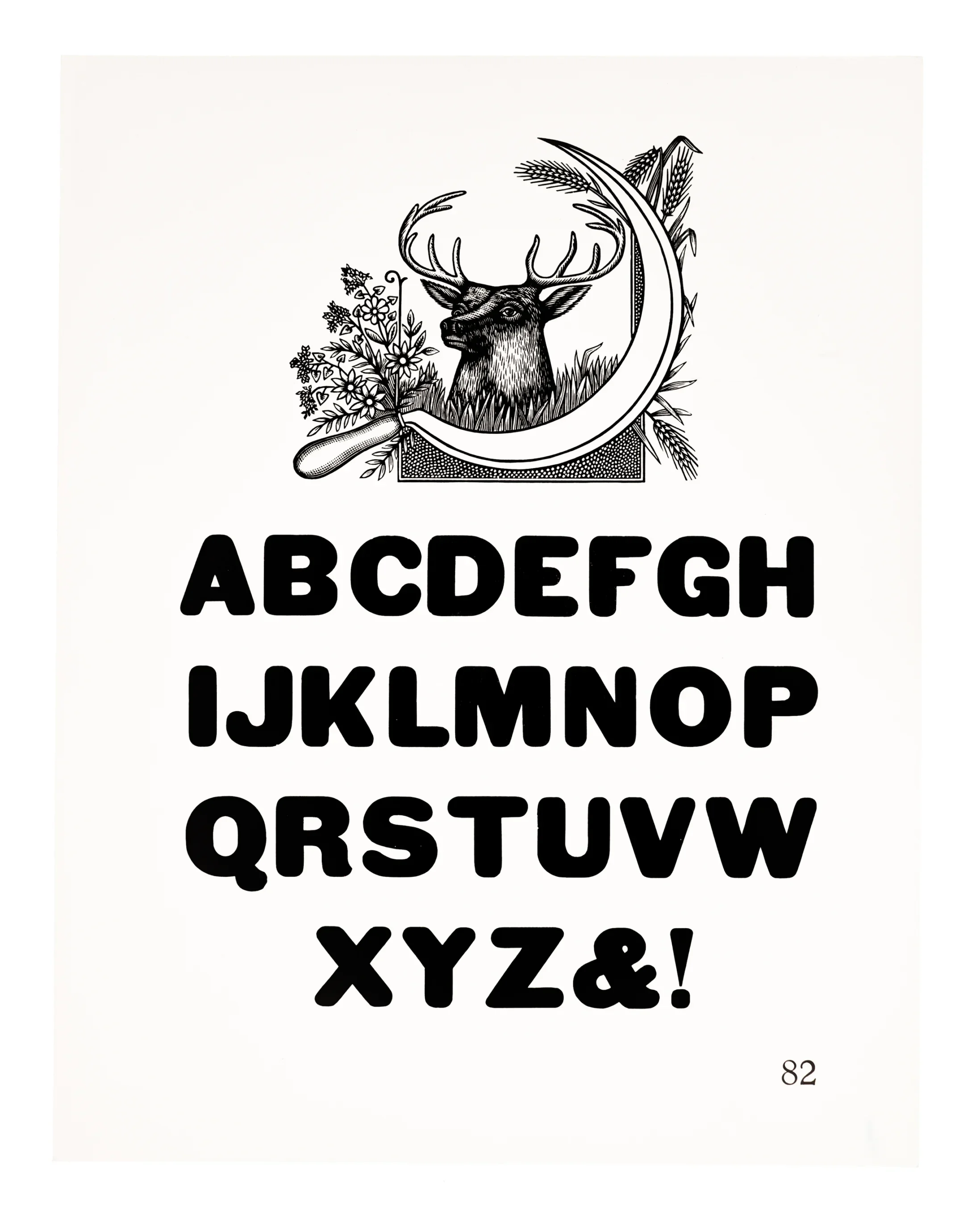
Page 82 features the number from Gothic Round, 10 line. -
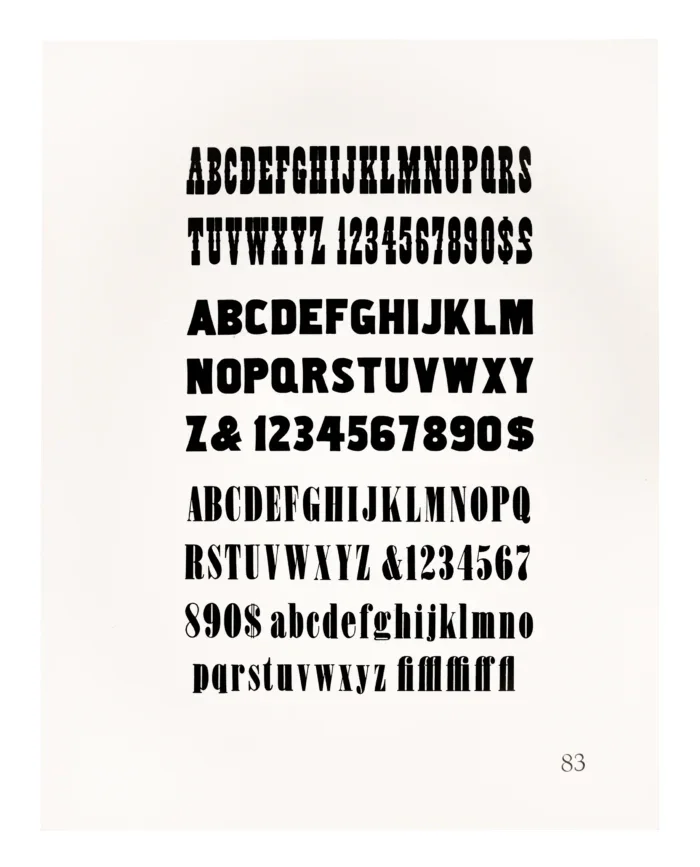
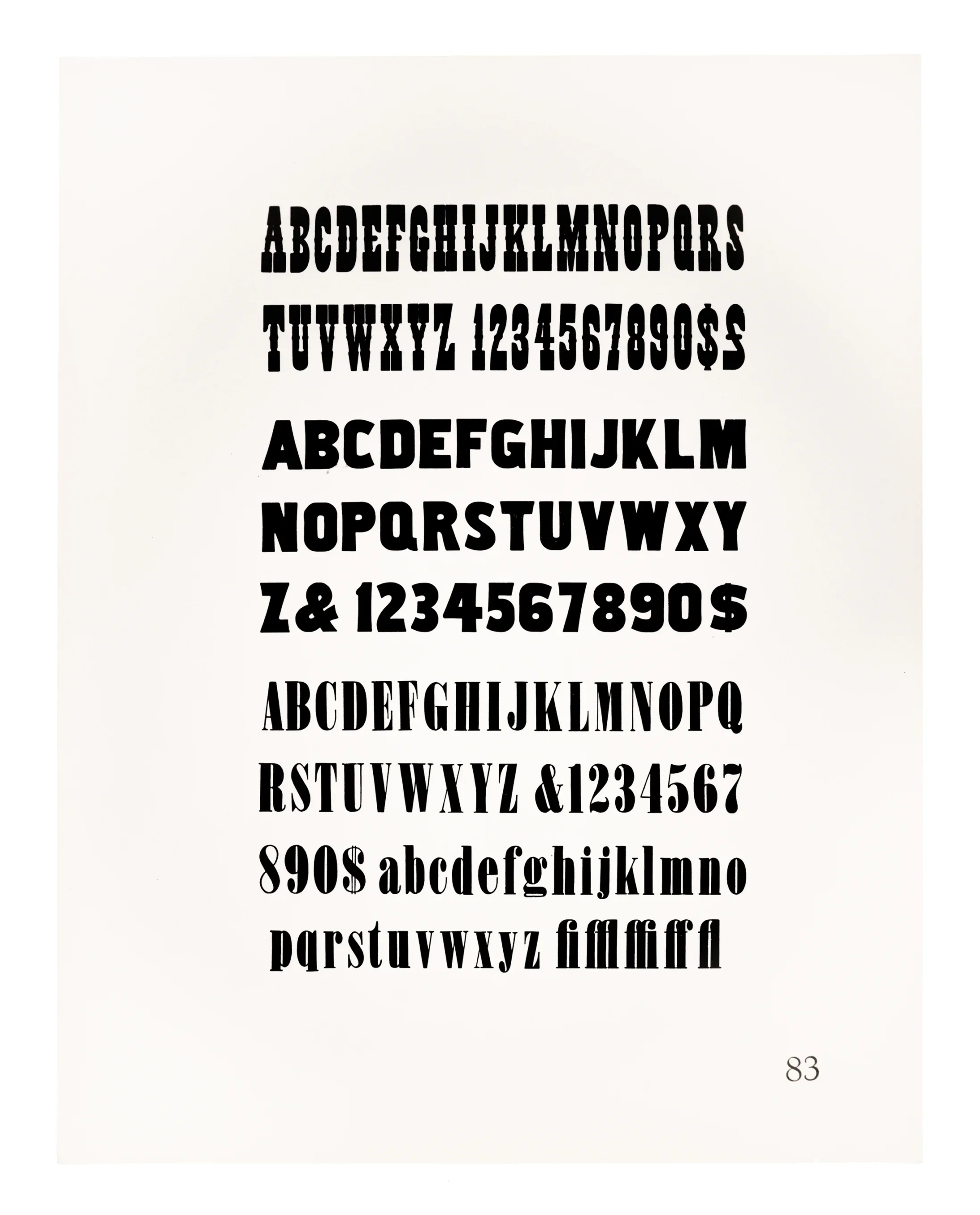
Page 83 features the number from No. 501, 8 line, and Roman X Condensed, 6 line. -
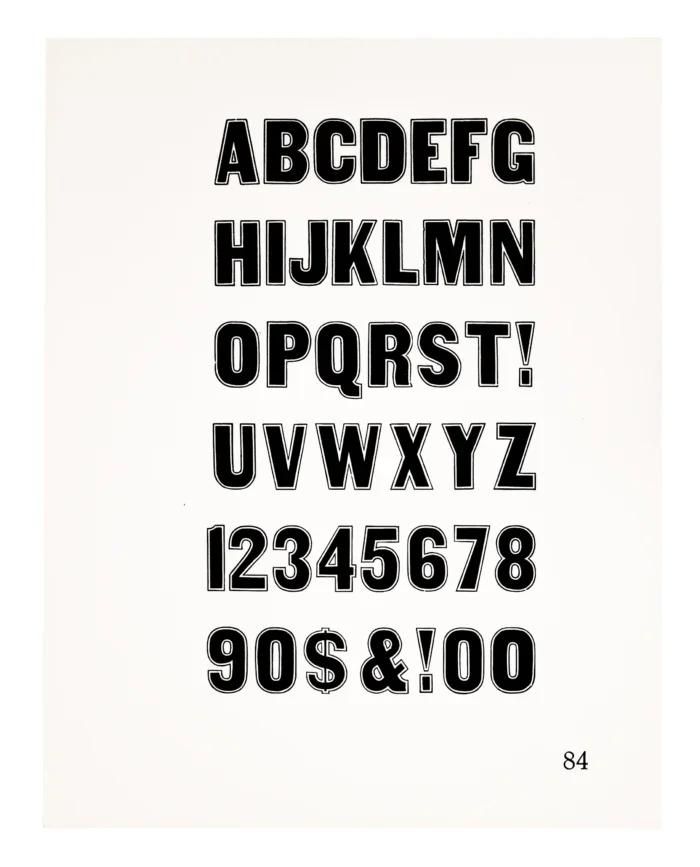
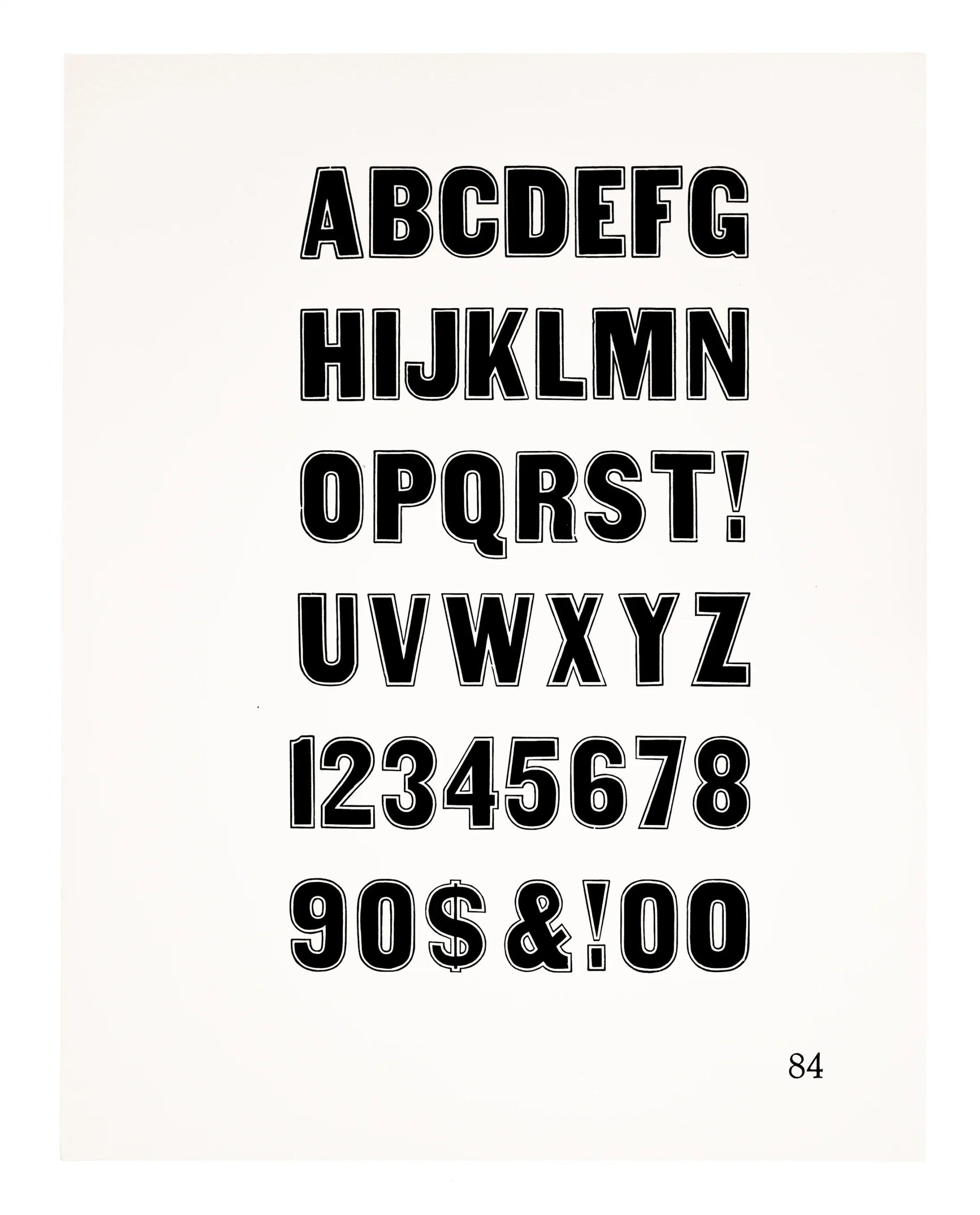
Page 84 features the number from Condensed Gothic Outlined, (Condensed Gothic Open, 12 line) 11 line. -
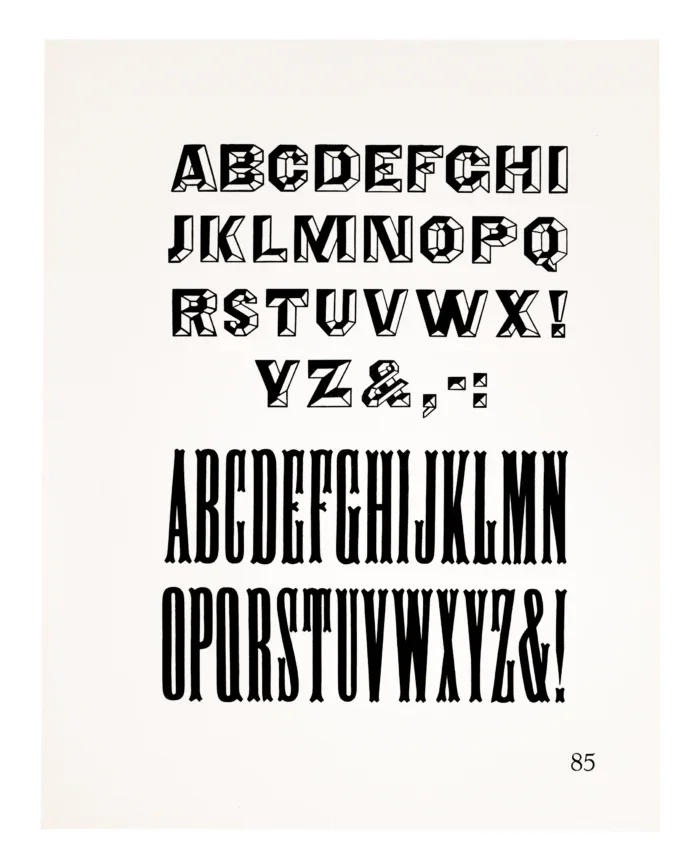
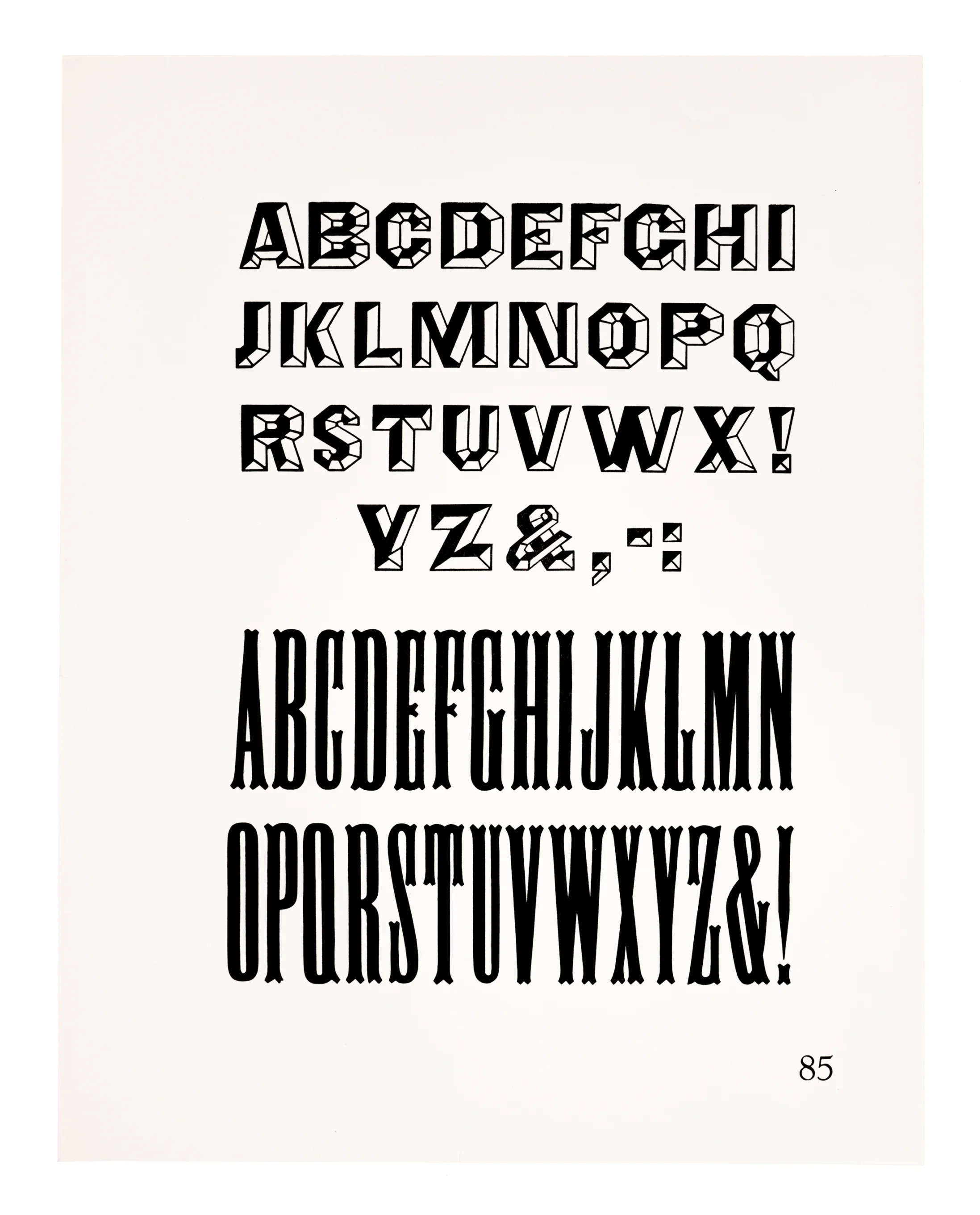
Page 85 features the number from Octagon, 8 line, and Antique Tuscan No. 9, (Gothic Tuscan; Antique Tuscan; ) 20 line. -
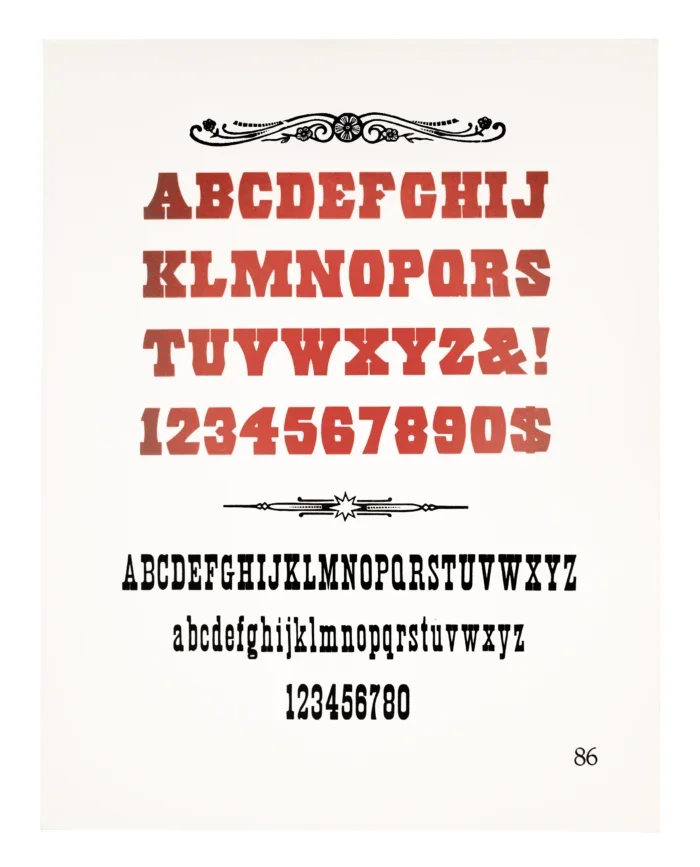
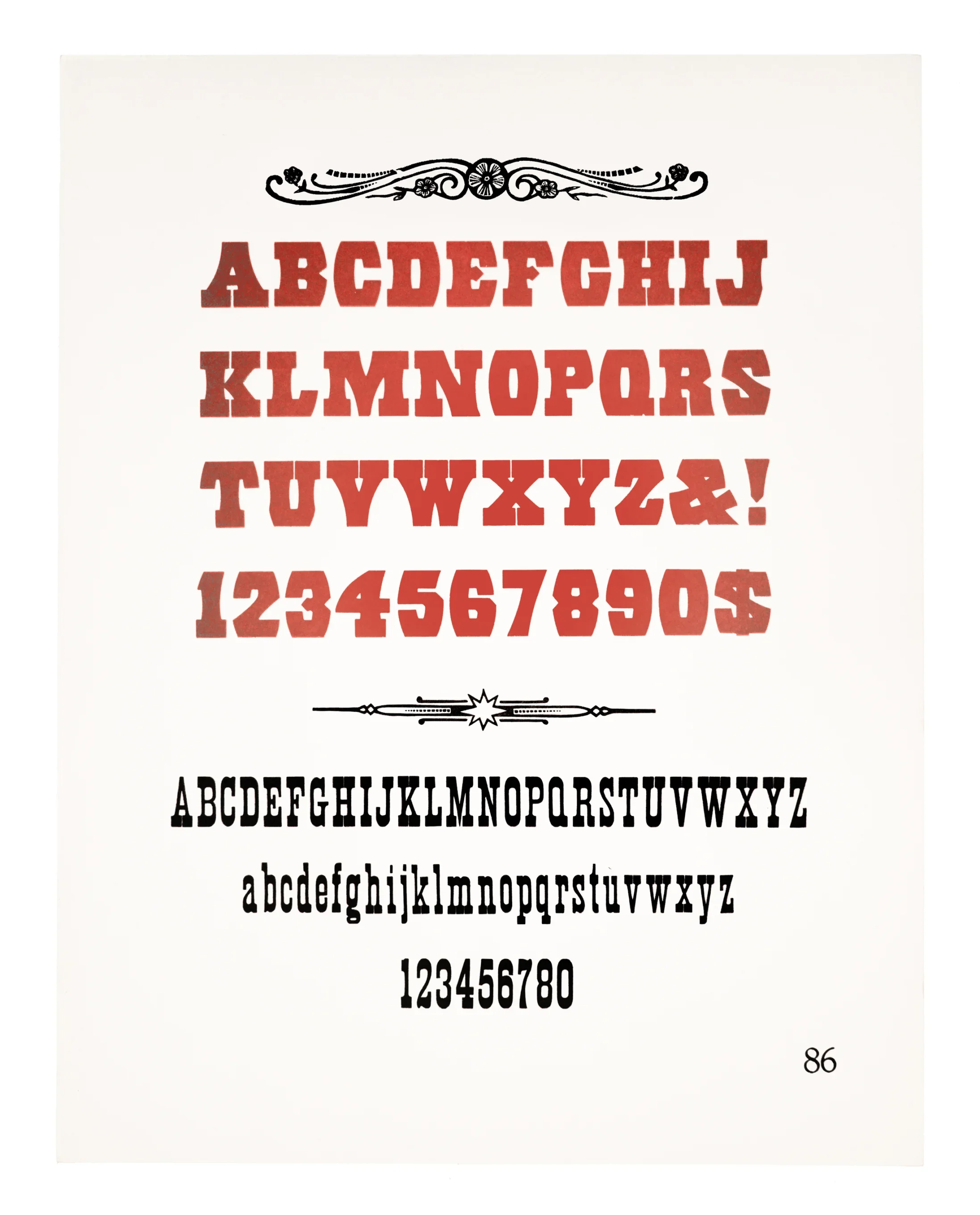
Page 86 features the number from No. 504, 8 line, and Egyptian Condensed, 6 line. -
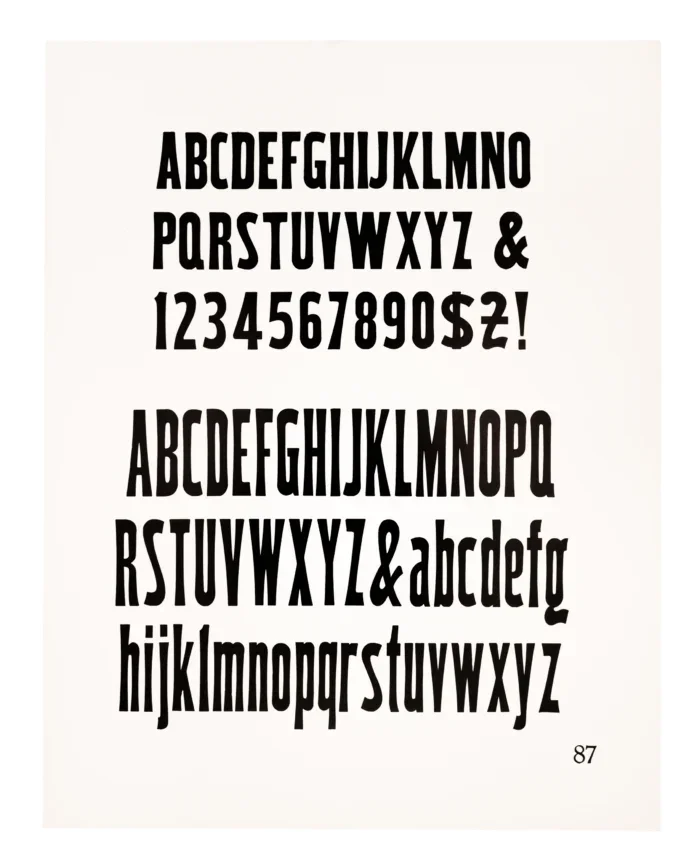
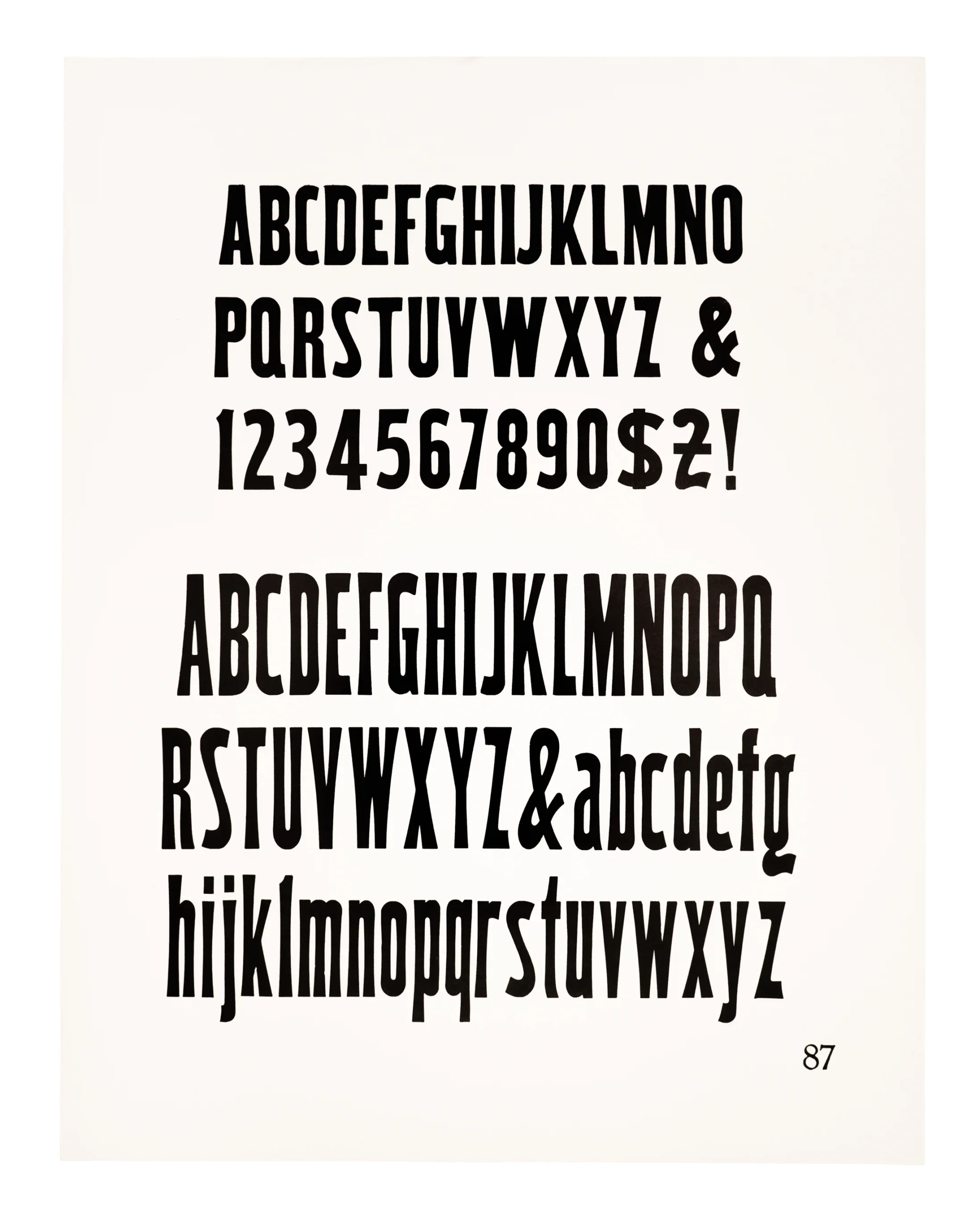
Page 87 features the number from No. 510, 10 line, and No. 512, 15 line. -
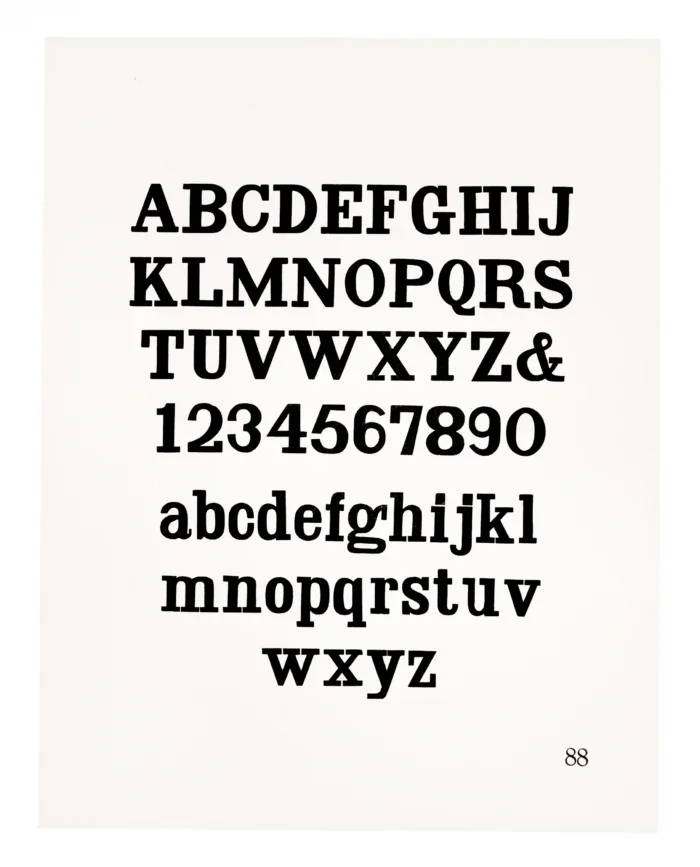
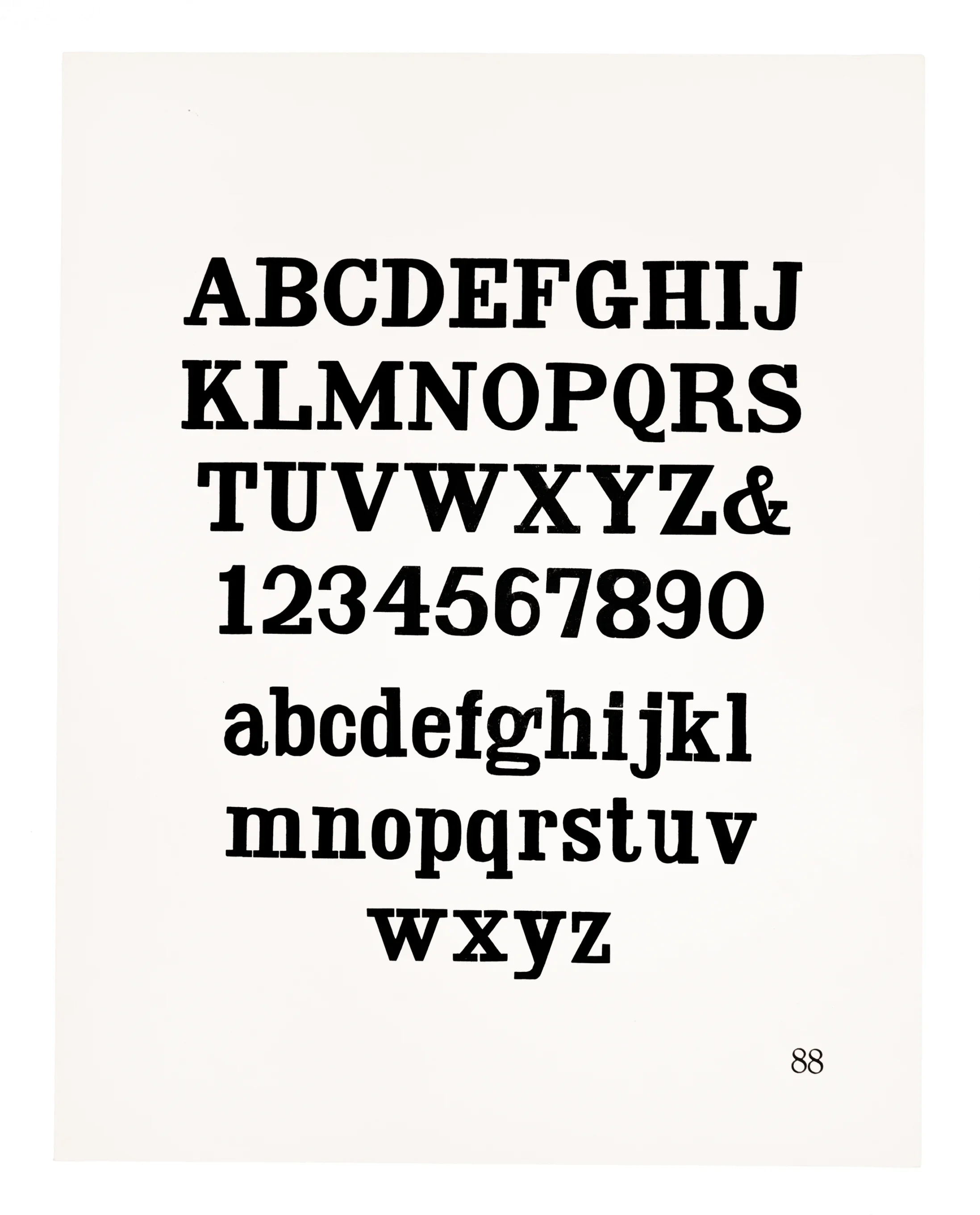
Page 88 features the number from Antique Light Face, 8.5 line. -
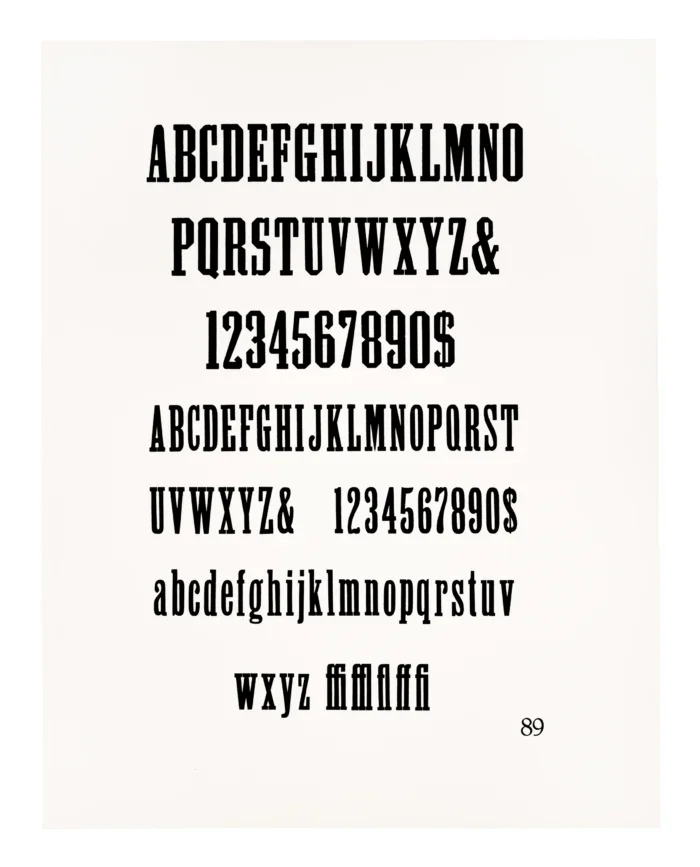
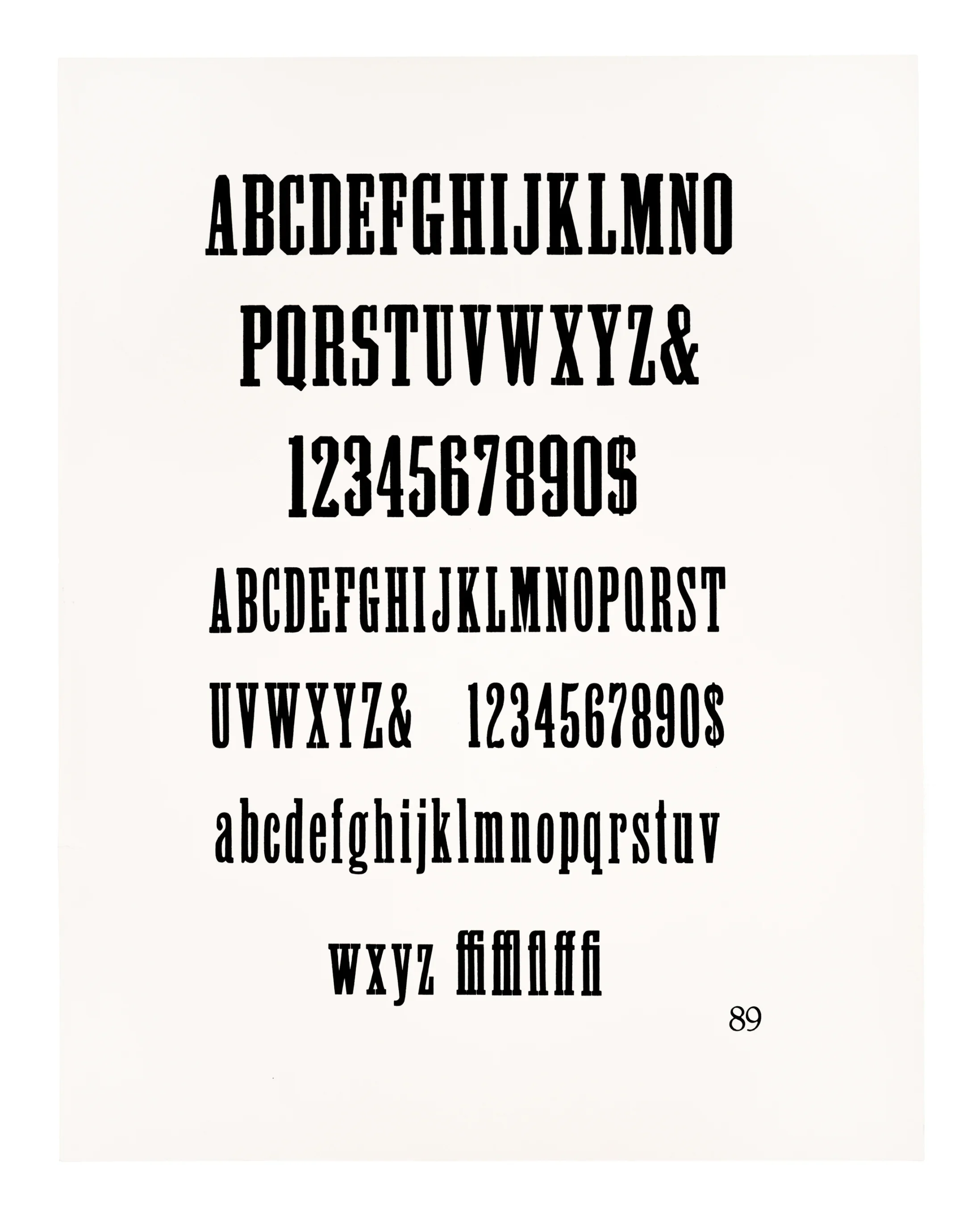
Page 89 features the number from Grecian X Condensed, 10 line, and Antique XX Condensed No. 1, (Antique XX Condensed) 8 line. -
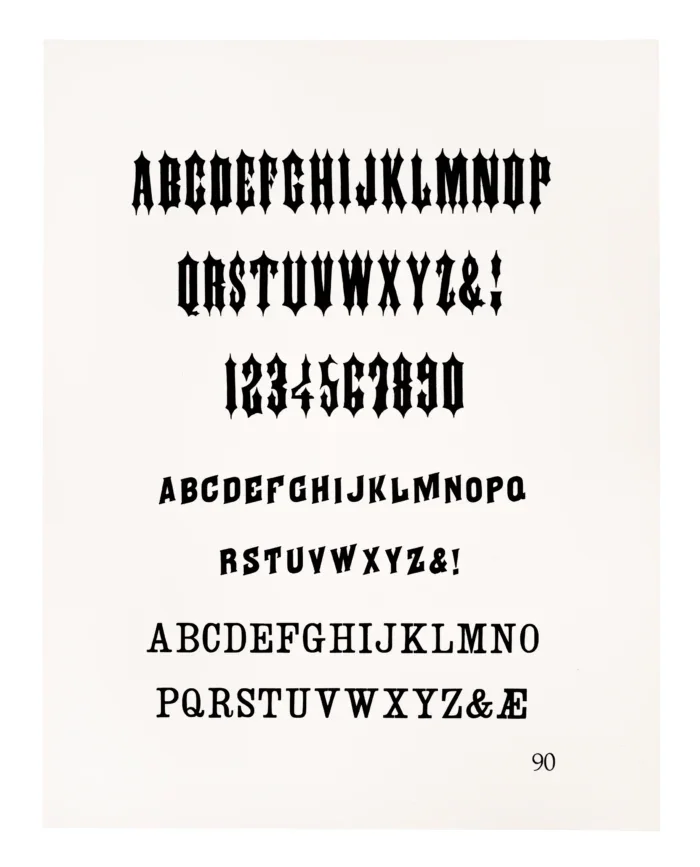
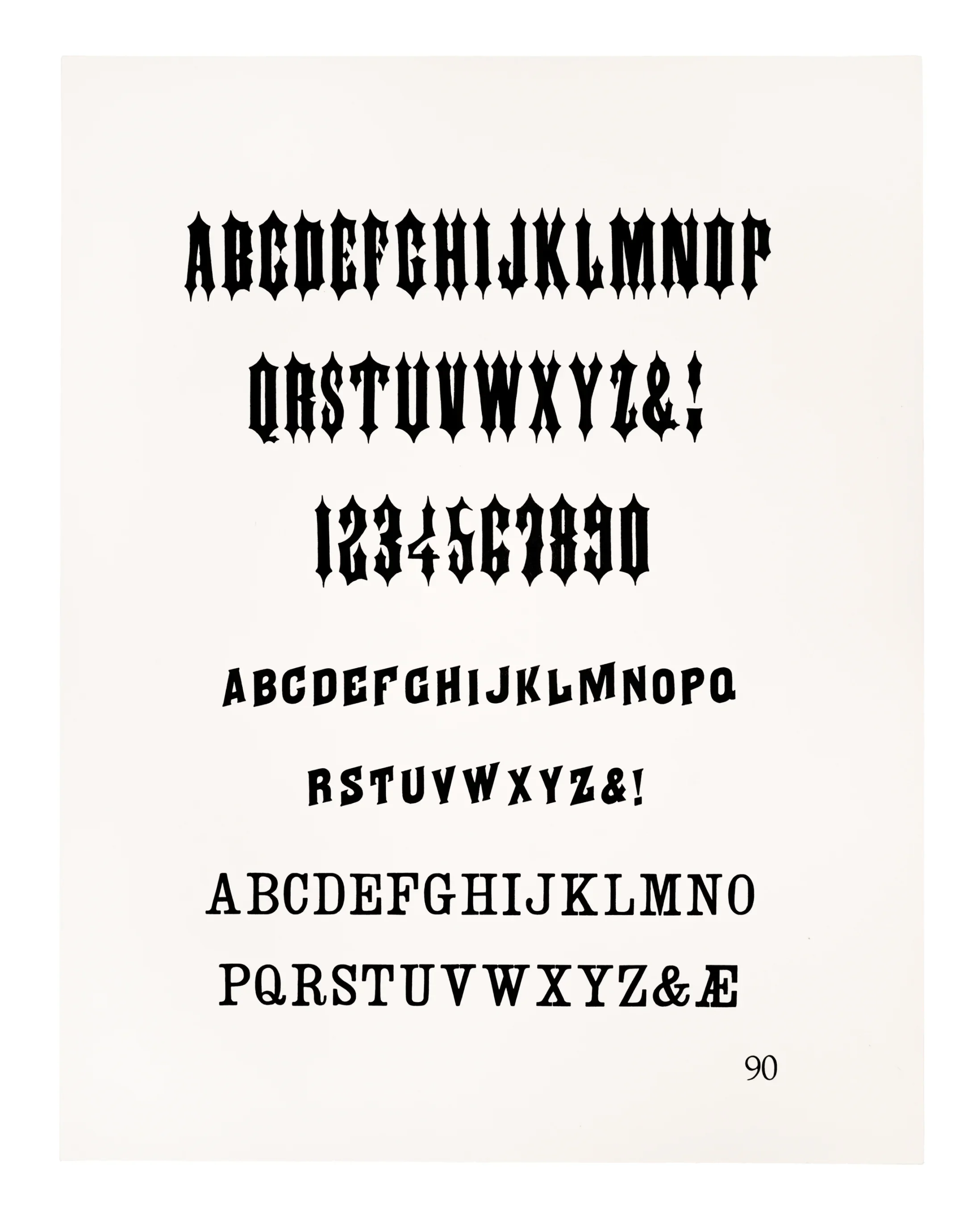
Page 90 features the number from Gothic Tuscan Pointed, 11 line, No. 624 Italics (No Name), 5 line, and Clarendon Light Face, 5 line (4 line). -
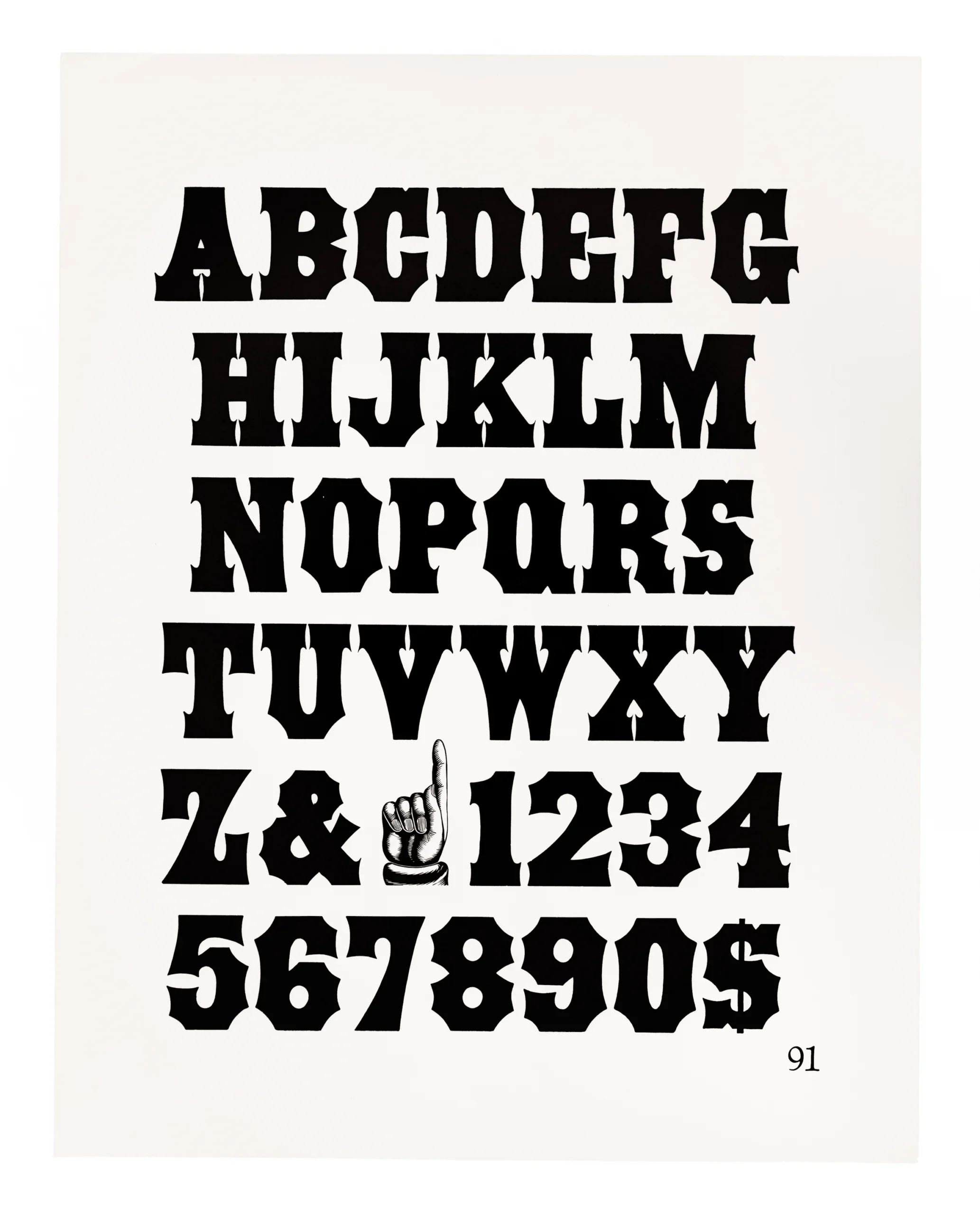
Page 91 features the number from Antique Tuscan Condensed, 14 line. -
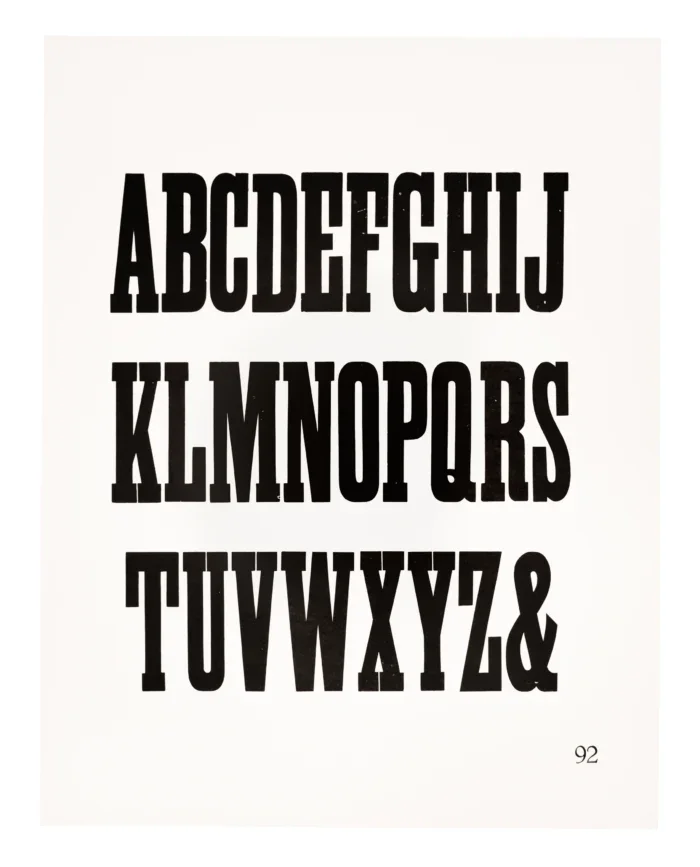
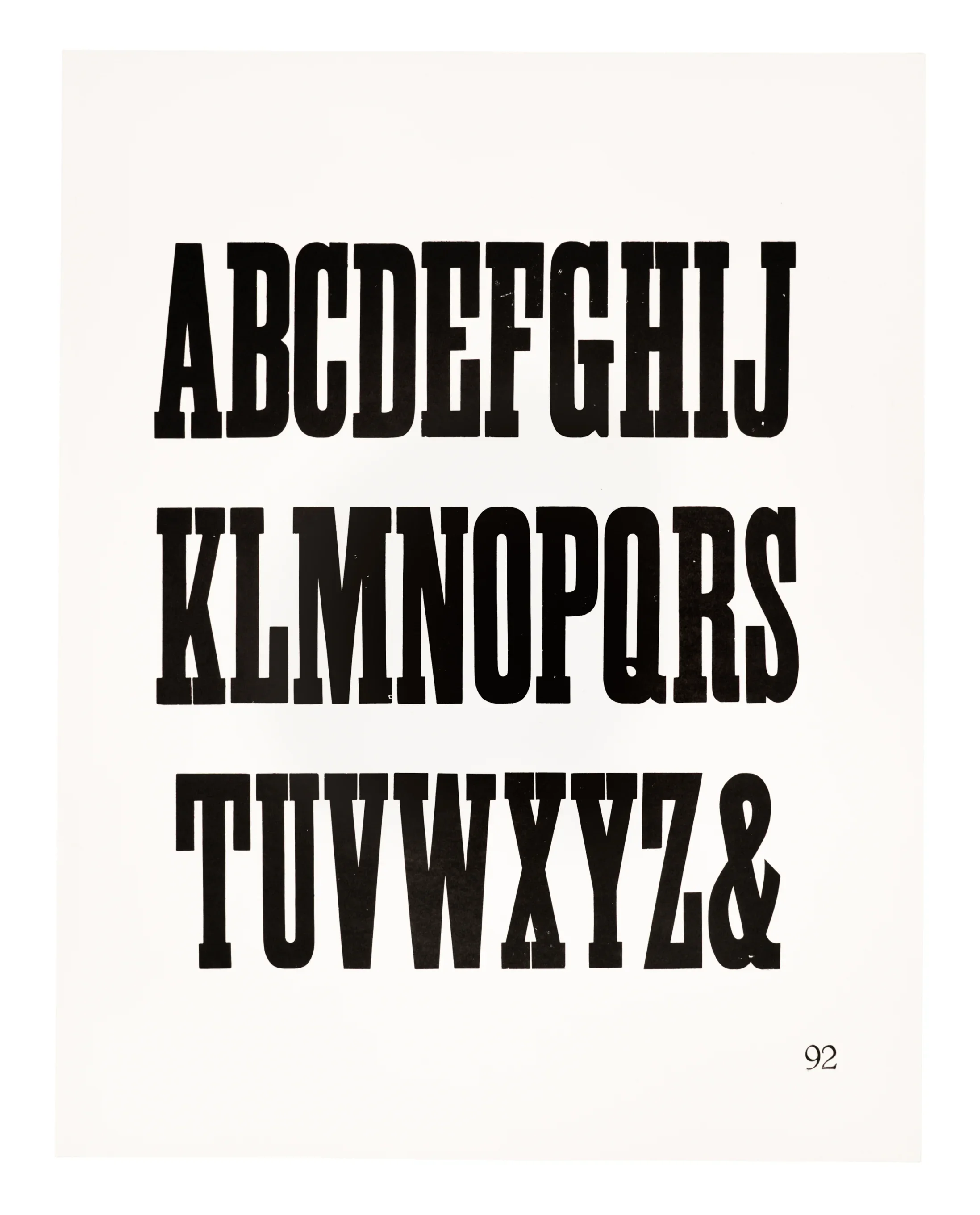
Page 92 features the number from Antique X Condensed No. 3, (Antique XX Condensed) 24 line, and No. 624 Roman, (No name) 6 line. -
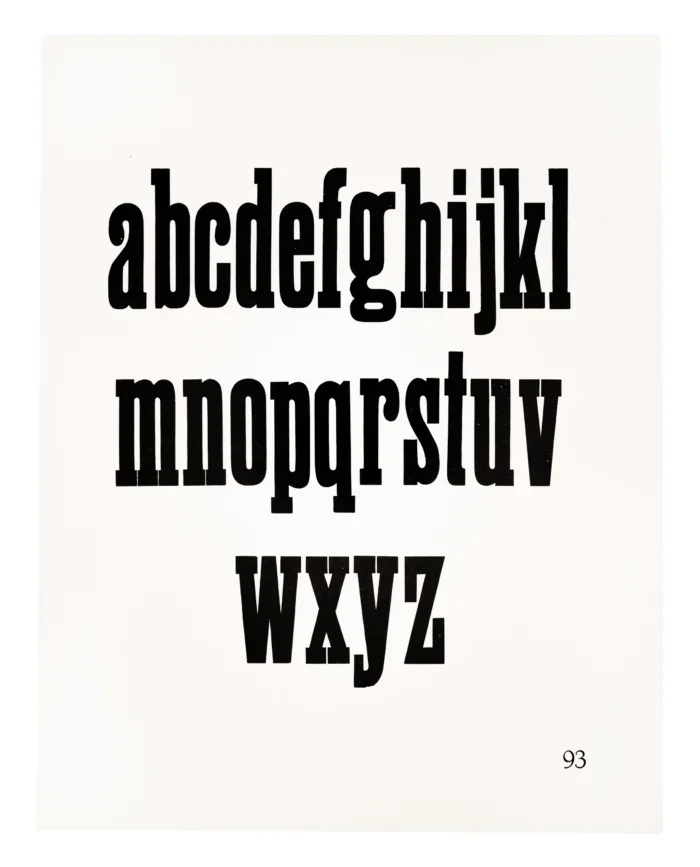
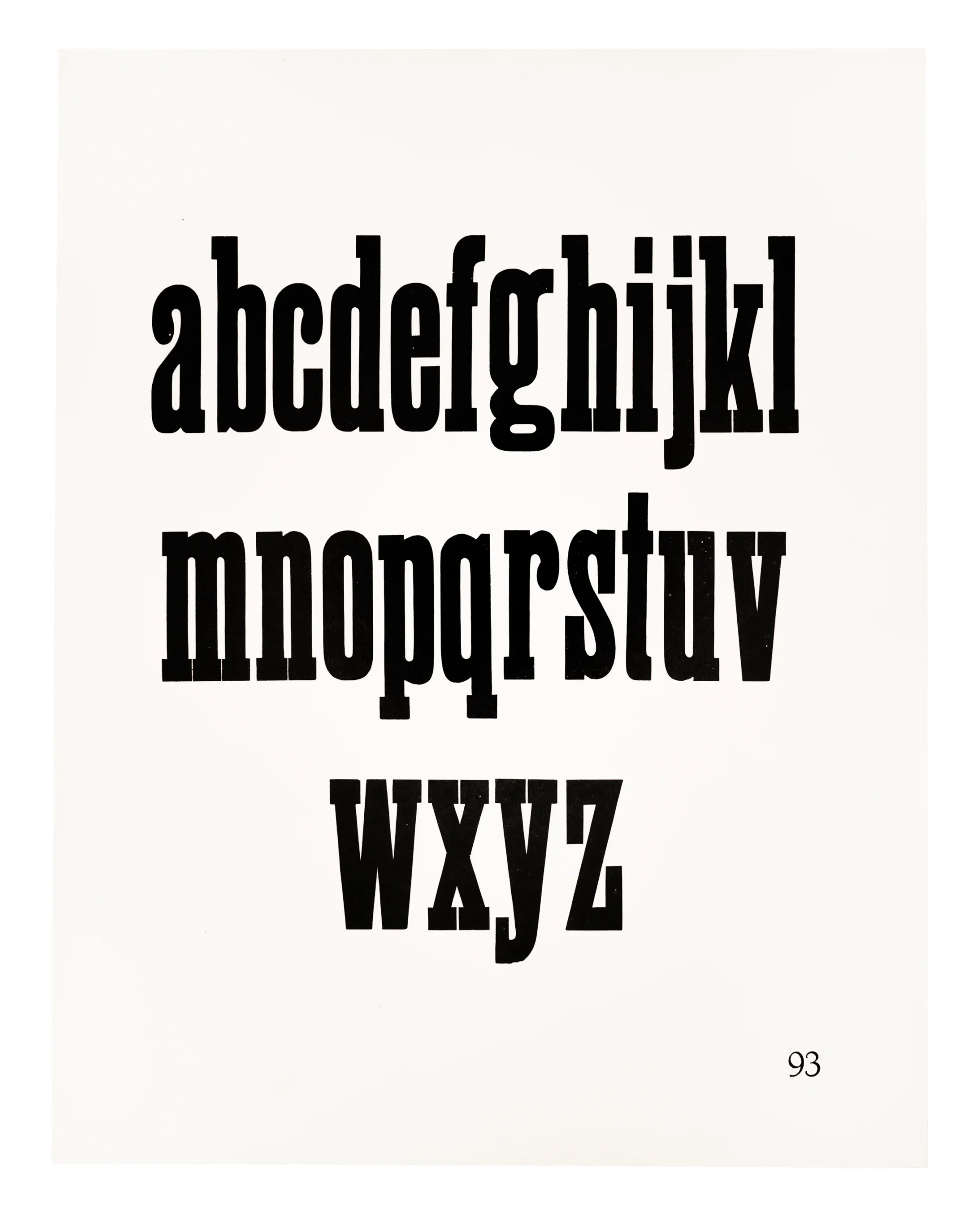
Page 93 features the number from Antique X Condensed No. 3, (Antique XX Condensed) 24 line, and No. 624 Roman, (No name) 6 line. -
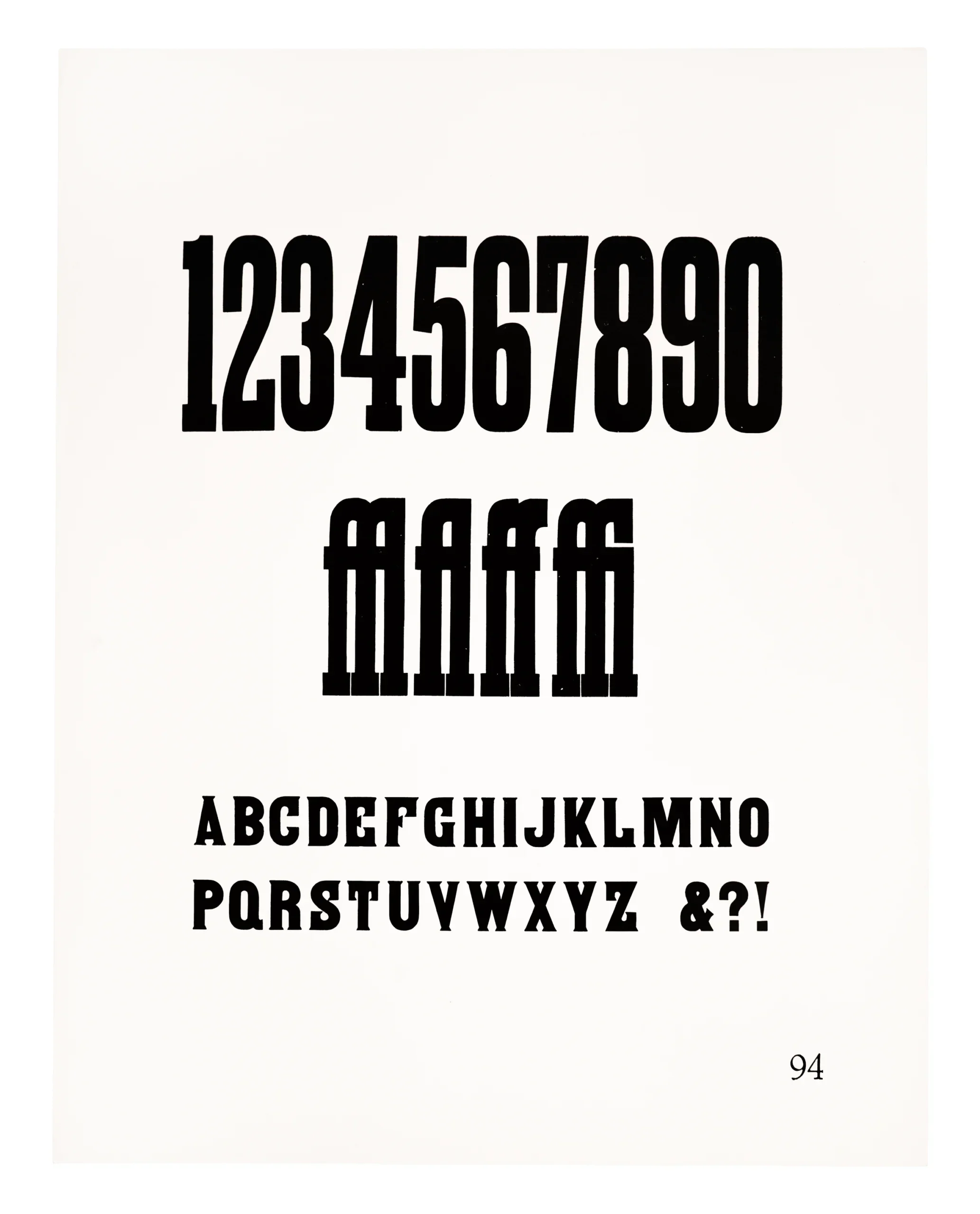
Page 94 features the number from Antique X Condensed No. 3, (Antique XX Condensed) 24 line, and No. 624 Roman, (No name) 6 line. -
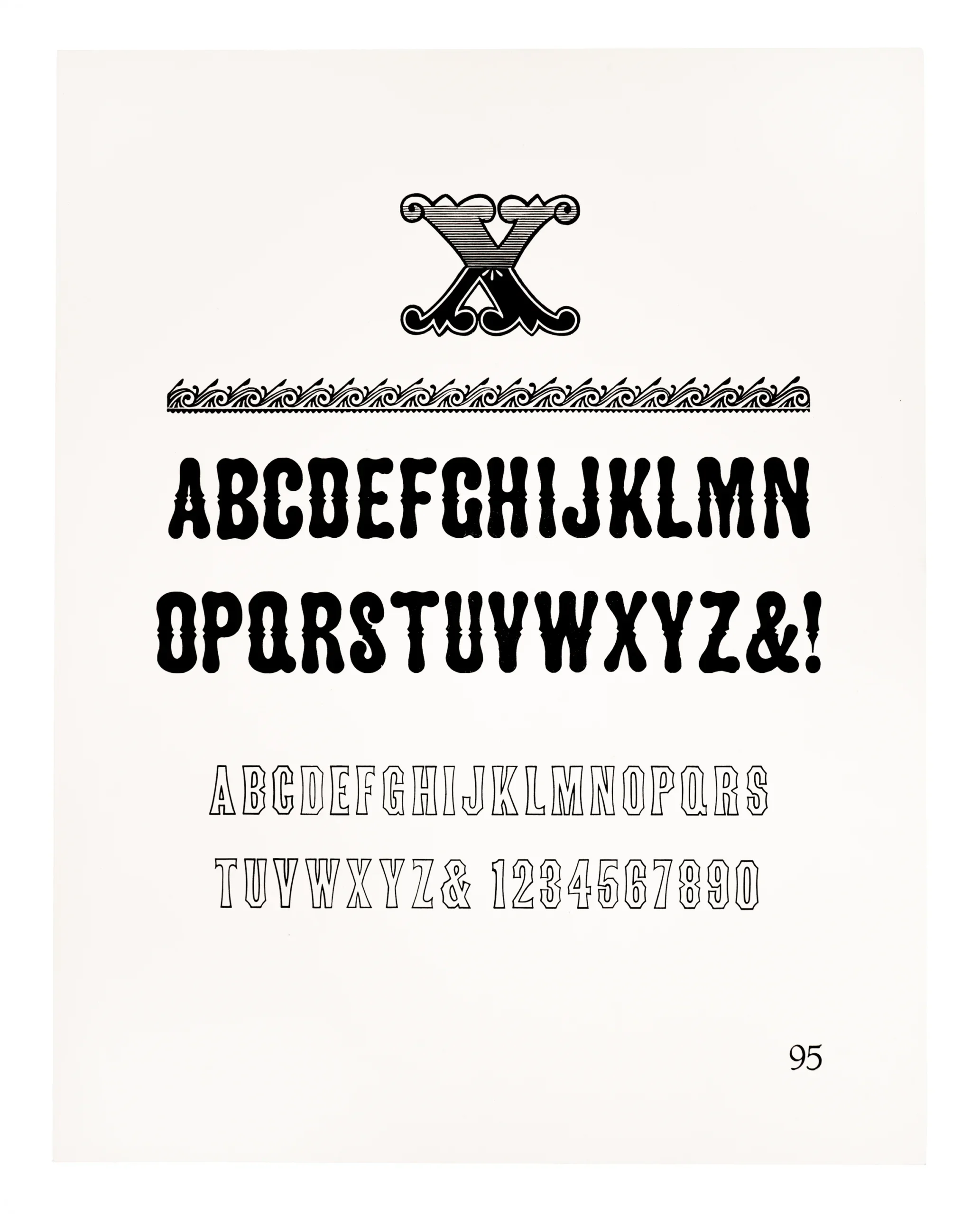
Page 95 features the number from Etruscan No.4, (Etruscan) 10 line, and Gothic Tuscan X Condensed Outline, (No. 59) 6 line. -

-